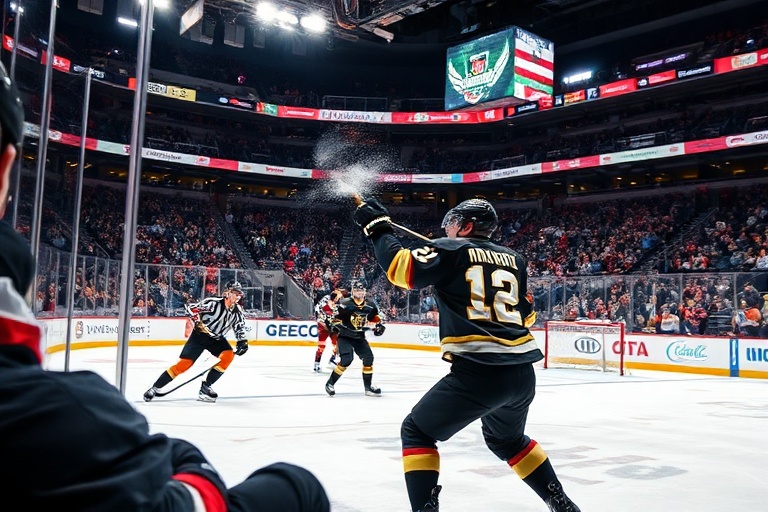
How the NHL Is Evolving Beyond Traditional Hockey Culture
The National Hockey League has long occupied a unique space in the North American sports landscape. While it trails the NFL, NBA, and MLB in revenue and cultural footprint, the NHL has carved out a dedicated niche through its fast-paced action, regional pride, and growing global ambitions. The league’s 32 teams—stretching from Vancouver to Tampa—reflect a blend of tradition and innovation, appealing to both lifelong fans and new audiences.
Over the past decade, the NHL has embraced change. Expansion into Seattle and potential moves into Europe have reshaped its geographic footprint. Meanwhile, rule changes aimed at increasing scoring and reducing stoppages have transformed the on-ice product. These shifts aren’t just about gameplay; they reflect broader trends in sports entertainment, where speed, accessibility, and fan engagement are paramount.
From Frozen Pond to Global Stage: The NHL’s Growth Trajectory
The NHL’s origins trace back to 1917, when four Canadian teams formed the league in a Montreal hotel. For decades, it remained a regional league, centered in Canada and the northern U.S. But the 1967 expansion doubled its size, introducing teams like the Philadelphia Flyers and St. Louis Blues. The 1990s brought further growth with franchises in Florida, California, and the Southeast, challenging hockey’s traditional strongholds.
Today, the NHL’s footprint is expanding again. The 2021 addition of the Seattle Kraken marked the league’s first new team in nearly two decades. Owners have also explored markets in Houston, Quebec City, and even Europe, signaling ambitions to compete with soccer’s global reach. Commissioner Gary Bettman has emphasized growth, stating in a 2023 interview that “the NHL’s future is not just in North America—it’s worldwide.”
This expansion isn’t without challenges. Markets like Las Vegas and Nashville took years to establish profitability, while newer teams like the Arizona Coyotes have faced arena and ownership controversies. Yet the league’s ability to adapt—through relocation, rebranding, and innovative partnerships—has kept it relevant in an increasingly crowded sports market.
Innovation on Ice: How Rule Changes Are Reshaping the Game
The NHL has always been defined by its physicality, but recent years have seen a deliberate shift toward a faster, more offensive style. In 2005, after the lockout canceled the season, the league introduced sweeping rule changes aimed at reducing obstruction and increasing scoring. The most significant was the crackdown on interference and holding, which opened up the ice and led to a surge in goals.
Analytics have also transformed team strategies. The rise of advanced metrics—like Corsi and Expected Goals (xG)—has influenced decisions on line combinations, defensive pairings, and even goaltender usage. Teams now prioritize puck possession and high-danger chances over traditional metrics like hits and blocked shots. This shift mirrors trends in other sports, where data-driven decisions have become standard.
Technology has played a key role in these changes. The introduction of video review (introduced in 2015) has improved officiating accuracy, though it has also sparked debates about the pace of the game. Meanwhile, player tracking technology, similar to the NFL’s “Next Gen Stats,” is being tested to measure speed, passing lanes, and defensive positioning. These innovations promise to further refine the sport’s evolution.
- Speed over Size: Teams now favor skilled, mobile forwards over enforcers, reflecting the league’s emphasis on puck movement and transition play.
- Goaltending Revolution: The rise of butterfly-style goaltending has changed how shooters approach the net, leading to more emphasis on quick releases and deception.
- Special Teams Matter: Power plays and penalty kills are more critical than ever, with teams investing in specialized units rather than relying solely on five-on-five play.
- International Influence: European-trained players bring a different style of play, with more focus on puck possession and structured systems.
The Business of Hockey: Revenue, Ratings, and Sponsorships
The NHL’s business model has evolved significantly since the Bettman era began in 1993. Back then, the league was losing money, and franchises were struggling. Today, the NHL is a $5 billion industry, with revenue streams diversifying beyond traditional ticket sales and broadcasting rights.
Media rights have been a major driver of growth. The league’s current U.S. TV deal with ESPN and Turner Sports, signed in 2021, is worth $2.8 billion over seven years. This partnership has brought more exposure to games, particularly through ESPN’s linear and digital platforms. Meanwhile, NHL Network and regional sports networks (RSNs) remain crucial for local audiences.
Sponsorships have also surged. The league’s partnerships with companies like Adidas, Gatorade, and Cisco have modernized its branding. The NHL’s “Breakaway” campaign, launched in 2022, highlights the league’s emphasis on speed, skill, and accessibility. These efforts target younger fans who may not have grown up watching hockey.
Another key revenue stream is gambling. The NHL was the first major North American league to embrace sports betting partnerships, signing deals with DraftKings and FanDuel in 2022. These agreements allow teams to integrate betting data into broadcasts and fan experiences, tapping into a growing market without alienating traditional purists.
The NHL’s Cultural Impact: More Than Just a Game
Hockey’s cultural footprint extends beyond the rink. The NHL has become a platform for social causes, with players and teams increasingly vocal on issues like mental health, diversity, and climate change. The “Hockey Talks” initiative, for example, raises awareness about mental health, while the league’s “You Can Play” campaign promotes LGBTQ+ inclusion.
Music and entertainment have also intersected with hockey. The NHL’s partnership with Spotify has brought hockey into new spaces, including podcasts and playlists. Meanwhile, celebrities like Justin Bieber (a part-owner of the Florida Panthers) and DJ Khaled (a vocal supporter of the Tampa Bay Lightning) have helped bridge the gap between sports and pop culture.
The league’s embrace of digital media has been particularly transformative. The NHL’s social media presence is among the most engaged in professional sports, with viral moments like the “McDavid Crossover” or Connor McDavid’s stickhandling highlights amassing millions of views. TikTok and Instagram have become key platforms for engaging younger fans, who consume highlights and behind-the-scenes content rather than full games.
Yet hockey still faces challenges in broadening its appeal. The sport’s reliance on winter months and cold climates limits its geographic reach compared to year-round leagues like the NBA. Additionally, the cost of equipment and ice time remains a barrier for many families, particularly in non-traditional markets. The NHL is addressing these issues through initiatives like the “Hockey Is For Everyone” program, which provides grants and resources to grow the game in underserved communities.
A Look Ahead: What’s Next for the NHL?
The NHL’s future will be shaped by several key factors. Expansion is likely, with Quebec City and Houston often cited as potential candidates. The league is also exploring international games in Europe and potentially Asia, following the success of the NHL Global Series in Stockholm and Prague.
On the ice, the introduction of a new puck-tracking technology could revolutionize officiating and fan engagement. Meanwhile, the league’s focus on player safety—particularly regarding concussions and long-term health—will remain a priority. Rule changes like the “no-touch” icing and the trapezoid rule have already reduced injuries, but further innovations may be on the horizon.
For fans, the NHL’s biggest challenge may be balancing tradition with innovation. Hockey’s physicality and regional pride are core to its identity, but the league must also adapt to modern expectations around entertainment, accessibility, and social responsibility. The NHL’s ability to navigate these tensions will determine whether it remains a beloved niche sport or grows into a mainstream powerhouse.
One thing is clear: the NHL is no longer just a winter pastime. It’s a dynamic, evolving league with ambitions that extend far beyond the rink. Whether through expansion, technology, or cultural engagement, the NHL is positioning itself for a future where hockey is more than a game—it’s a global phenomenon.
“The NHL’s growth isn’t about chasing other leagues—it’s about defining what hockey can be in the 21st century.” — Gary Bettman, NHL Commissioner
For more on the NHL’s history and culture, explore our Sports and Analysis categories.