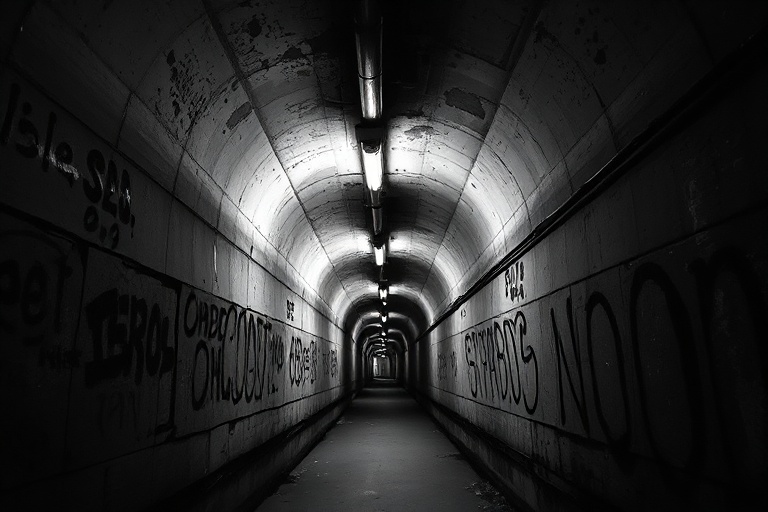
How Tunnels Shape Modern Infrastructure and What’s Next
The modern world relies on an intricate network of tunnels that power economies, connect cities, and even shape geopolitics. From ancient aqueducts to today’s high-speed rail passages, these subterranean structures represent humanity’s relentless drive to conquer natural barriers. Their evolution reflects advances in engineering, materials science, and environmental consciousness.
The Historical Roots of Tunnel Construction
Tunnels have existed for millennia, with some of the earliest examples dating back to 2000 BCE in Mesopotamia. These primitive passages served as water channels and escape routes for Mesopotamian cities. The Greeks and Romans later refined tunnel-building techniques, creating sophisticated aqueduct systems like the 5.6-kilometer-long Tunnel of Eupalinos on Samos island, completed in 520 BCE.
Medieval tunnel construction took a darker turn with the proliferation of siege tunnels. Armies would dig underneath castle walls to either infiltrate or collapse defensive structures. Some of these tunnels reached astonishing lengths—during the 15th century Siege of Belgrade, Ottoman forces constructed a tunnel over 1 kilometer long to breach the city’s defenses.
Key Innovations in Tunnel Engineering
- Roman Techniques: Used fire-heating and vinegar cooling to fracture rock, followed by manual excavation
- 19th Century Breakthroughs: Introduction of dynamite (1867) and tunnel boring machines (1840s)
- 20th Century Advances: Development of pressurized tunneling for underwater crossings and soft-ground tunnels
- Modern Methods: Earth Pressure Balance Machines and slurry shield systems for complex geological conditions
Modern Tunnel Projects That Defy Limits
Contemporary tunnel projects push the boundaries of what’s possible in civil engineering. The Gotthard Base Tunnel in Switzerland, completed in 2016, stretches 57.1 kilometers and took 17 years to construct at a cost of $12 billion. This engineering feat reduces travel time between Zurich and Milan by nearly an hour while accommodating high-speed rail traffic.
Underwater tunnels present unique challenges. The Seikan Tunnel in Japan, connecting Honshu and Hokkaido islands, required blasting through 23.3 kilometers of seabed, with sections reaching 240 meters below sea level. Its construction demanded innovative waterproofing techniques and extensive geological surveys to prevent catastrophic flooding.
Environmental and Urban Considerations
Tunnel construction now prioritizes environmental sustainability like never before. Modern projects incorporate:
- Recycled materials in tunnel linings and structural components
- Advanced ventilation systems to minimize air pollution in urban tunnels
- Noise reduction technologies for nearby communities
- Energy-efficient lighting and systems powered by renewable sources
Urban planners increasingly turn to tunnels to address growing congestion. Cities like London and Moscow have expanded their metro systems through extensive tunneling, while underground highways in cities like Boston (the Big Dig) have transformed urban mobility. These projects often spark debate about cost versus benefit, with some critics questioning whether the environmental impact of such massive excavations justifies the transportation improvements.
The Future of Tunnel Technology
Emerging technologies promise to revolutionize tunnel construction and functionality. Hyperloop concepts envision vacuum-sealed tunnels where pods travel at near-supersonic speeds, potentially reducing cross-country travel times to under 30 minutes. Elon Musk’s Boring Company has already begun testing such systems in Las Vegas, though widespread implementation remains years away.
Robotics and automation are transforming tunnel maintenance. Autonomous inspection drones equipped with LiDAR can detect structural weaknesses without human intervention. Meanwhile, 3D printing technology may soon allow for on-site creation of tunnel segments, reducing transportation costs and construction time.
Environmental tunneling presents another frontier. Some projects now incorporate carbon capture systems within tunnel ventilation, while others explore using tunnels to house renewable energy infrastructure. The proposed “Energy Tunnels” concept would integrate geothermal heating and cooling systems into underground passages, turning transportation corridors into energy sources.
Challenges and Controversies
Despite these advances, tunnel projects face persistent challenges. Geological surprises can derail even the most carefully planned excavations. The construction of London’s Crossrail project encountered unexpected layers of medieval plague pits and Roman artifacts, requiring archaeological interventions that delayed completion.
Cost overruns plague many large-scale tunnel projects. Boston’s Big Dig famously ballooned from $2.6 billion to over $14 billion, while Berlin’s new airport tunnel exceeded its budget by 700%. These financial miscalculations often stem from underestimating geological complexity and over-optimistic project management.
Environmental activists frequently oppose tunnel projects that threaten sensitive ecosystems. The proposed Gibraltar Tunnel, which would connect Europe and Africa beneath the Strait of Gibraltar, faces opposition from marine conservation groups concerned about impacts on endangered species like the Mediterranean monk seal.
Conclusion: The Enduring Significance of Tunnels
Tunnels represent humanity’s unyielding quest to reshape the physical world according to our needs and desires. They are not merely functional structures but powerful symbols of progress and ingenuity. As technology advances, these subterranean passages will continue to evolve, serving as conduits for people, data, and energy.
The challenges facing future tunnel projects—geological unpredictability, environmental concerns, and financial constraints—mirror broader societal debates about growth and sustainability. How we address these challenges will determine whether tunnels remain engines of progress or become relics of an unsustainable development model.
One thing is certain: as long as mountains divide us and cities grow ever more congested, the tunnel will remain an indispensable tool in humanity’s toolkit. The next time you pass through a subway tunnel or drive beneath a mountain pass, consider the centuries of innovation that made such journeys possible—and the even more remarkable tunnels that may shape our future.