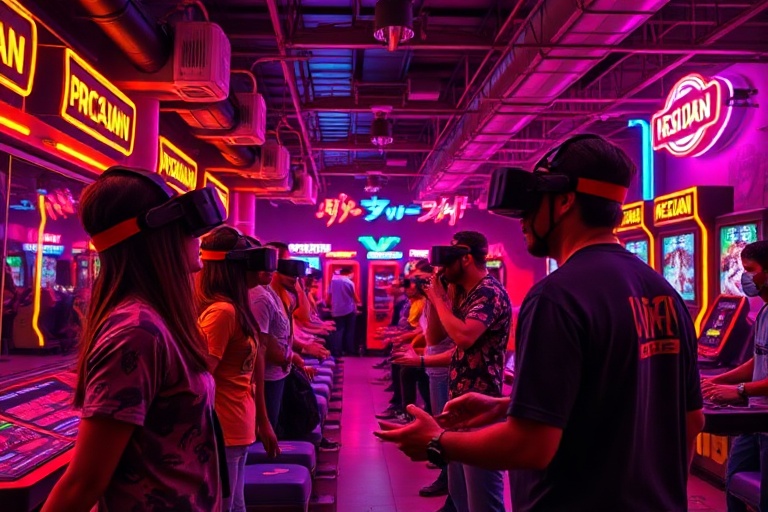
How Video Games Shape Culture and Technology in 2024
The video game industry has transformed from simple pixelated pastimes to a dominant force in global entertainment, rivaling film and music in cultural significance and economic impact. What began as niche hobbyist projects in the 1970s has evolved into a multi-billion-dollar ecosystem that shapes technology, education, and social interaction. This growth reflects not just technological advancement but fundamental shifts in how society consumes entertainment and defines leisure.
The Historical Journey of Video Games
The origins of video games trace back to academic and military experiments in the mid-20th century. The 1950s and 60s saw early computer scientists develop rudimentary digital games like Nim and Tennis for Two, though these remained confined to research labs. The breakthrough came in 1972 with the release of Pong by Atari, the first commercially successful arcade game, which introduced interactive entertainment to the mainstream public.
The late 1970s and 80s marked the golden age of arcade gaming, with iconic titles such as Space Invaders and Pac-Man capturing public imagination. Home consoles emerged as a major force in 1983 with the Nintendo Entertainment System (NES), revitalizing an industry that had suffered a market crash just years earlier. This era established the foundation for modern gaming culture, introducing franchises that remain influential today.
Key Milestones in Gaming History
- 1972: Atari releases Pong, the first commercially successful arcade video game.
- 1985: Nintendo launches the NES in North America, reviving the video game market after the 1983 crash.
- 1991: Sega Genesis challenges Nintendo with faster processors and edgier marketing.
- 1993: id Software releases Doom, popularizing first-person shooters and multiplayer gaming.
- 2004: Sony’s PlayStation Portable (PSP) and Nintendo DS redefine portable gaming with multimedia capabilities.
- 2007: Apple launches the iPhone, democratizing mobile gaming through app stores.
- 2016: Virtual reality gains traction with consumer releases like the Oculus Rift and HTC Vive.
The Modern Gaming Landscape
Today’s gaming ecosystem is more diverse than ever, spanning genres, platforms, and business models. Traditional console and PC gaming coexists with mobile platforms, cloud gaming services, and emerging technologies like augmented reality. The industry’s revenue streams have also diversified, moving beyond one-time game sales to include subscriptions, microtransactions, downloadable content (DLC), and live-service games.
Esports has emerged as a legitimate spectator sport, with professional leagues, million-dollar tournaments, and dedicated fan bases. Games like League of Legends, Counter-Strike 2, and Valorant draw millions of viewers to streaming platforms such as Twitch and YouTube Gaming. This competitive scene has not only created new career paths but also influenced game design, emphasizing balance, accessibility, and spectator engagement.
The rise of user-generated content and community-driven platforms has further democratized game creation. Tools like Unity, Unreal Engine, and Roblox Studio allow aspiring developers to design and publish games without formal training or large budgets. This accessibility has led to a surge in indie titles that challenge conventional wisdom and push creative boundaries.
Cultural and Social Implications
Video games have evolved from a form of escapism into a medium that reflects and shapes societal values, identities, and relationships. They serve as interactive narratives that allow players to explore complex themes such as morality, war, and human emotion. Titles like The Last of Us Part II, Hellblade: Senua’s Sacrifice, and Life is Strange demonstrate the medium’s capacity to tell emotionally resonant stories that rival literature and cinema.
Gaming has also become a social space, particularly among younger generations. Online multiplayer games foster friendships and communities that transcend geographical boundaries. Platforms like Discord and in-game chat systems provide spaces for collaboration, competition, and socialization. For many, gaming is not just entertainment but a vital component of their social identity.
However, the industry faces ongoing challenges related to representation, inclusivity, and toxicity. While progress has been made in diversifying character design and storytelling, stereotypes and underrepresentation persist in many genres. Toxic behavior in online communities remains a persistent issue, prompting developers and platforms to implement stricter moderation tools and reporting systems.
The Future of Gaming
The next decade of gaming will likely be defined by three major trends: technological convergence, accessibility, and sustainability. Artificial intelligence (AI) is beginning to play a transformative role, from procedural content generation to AI-driven NPCs that adapt to player behavior. Cloud gaming services like Xbox Cloud Gaming, NVIDIA GeForce NOW, and Amazon Luna are making high-end gaming more accessible by eliminating the need for expensive hardware.
Accessibility is also becoming a priority, with developers increasingly incorporating features like customizable controls, colorblind modes, and subtitles designed for the deaf and hard of hearing. The push for inclusivity extends to hardware as well, with adaptive controllers and interfaces designed for players with disabilities.
Sustainability concerns are prompting the industry to rethink its environmental footprint. From energy-efficient consoles to digital distribution reducing physical waste, companies are exploring ways to minimize their ecological impact. The rise of blockchain and NFTs in gaming has sparked debate, with some seeing potential in player ownership and others criticizing the environmental cost and speculative nature of these technologies.
As gaming continues to evolve, it will likely play an even larger role in education, healthcare, and professional training. Serious games—designed for purposes beyond entertainment—are being used to teach coding, simulate medical procedures, and even treat mental health conditions like PTSD and anxiety. The line between play and purpose is blurring, highlighting the medium’s potential to drive meaningful change.
What Lies Ahead
- AI Integration: More intelligent NPCs, dynamic storytelling, and personalized experiences will become standard.
- Cloud Gaming Expansion: Faster internet speeds and 5G will make cloud gaming the preferred method for many players.
- Metaverse Development: Persistent virtual worlds will blend gaming, social media, and commerce in new ways.
- Regulation and Ethics: Governments and industry bodies will address issues like loot boxes, data privacy, and microtransactions.
- Sustainable Practices: The industry will adopt greener technologies and business models to reduce environmental harm.
Conclusion
Video games are no longer a niche interest but a defining cultural and technological force of the 21st century. Their evolution from simple digital diversions to complex, immersive experiences reflects broader changes in how society interacts with technology, communicates, and learns. As the industry continues to innovate, it will shape not just entertainment but education, social interaction, and even global economies.
The challenges ahead—whether ethical, environmental, or social—demand thoughtful consideration from developers, players, and policymakers alike. By embracing inclusivity, sustainability, and creativity, the gaming community can ensure that the medium continues to thrive while contributing positively to the world. Whether you’re a casual player or a dedicated enthusiast, the future of gaming promises to be as diverse and dynamic as the players who engage with it.
For those looking to explore the latest in gaming news, reviews, and analysis, Dave’s Locker Gaming section offers comprehensive coverage of the ever-changing landscape. Whether you’re interested in indie gems, AAA blockbusters, or the latest in esports, staying informed is key to navigating this vibrant medium.