Iran’s Missile Program: Regional Tensions and Global Implications
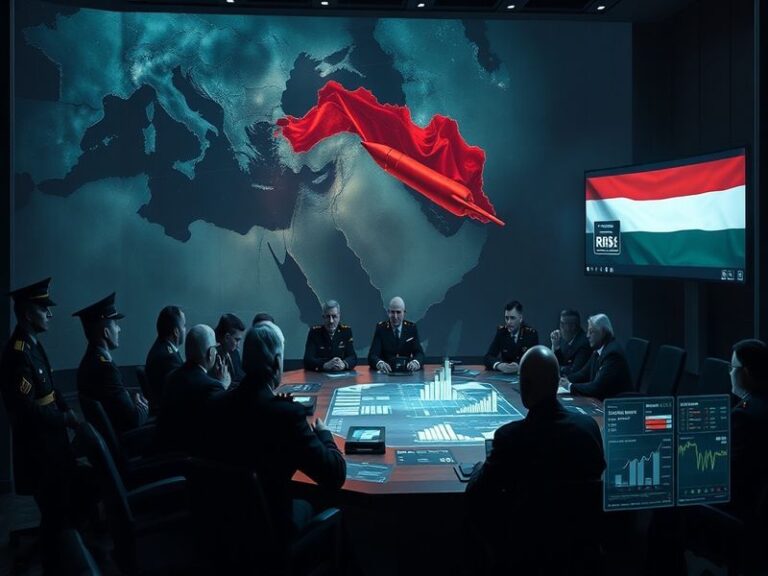
The development of ballistic missiles has been a cornerstone of Iran’s defense strategy since the Iran-Iraq War of the 1980s. These weapons serve both as a deterrent against regional adversaries and as a tool for projecting influence across the Middle East. While Iran maintains that its missile program is defensive in nature, international observers often view it through the lens of geopolitical power dynamics.
The program’s evolution reflects broader shifts in Iran’s military doctrine, shaped by decades of conflict, sanctions, and shifting alliances. From the Shah’s era to the Islamic Republic’s consolidation of power, missile technology has remained central to Iran’s security calculus. This continuity underscores how deeply military preparedness is woven into the fabric of Iranian statecraft.
The Origins and Evolution of Iran’s Missile Arsenal
Iran’s missile program traces its roots to the late 1970s, when the Pahlavi regime sought to establish a domestic defense industry. After the 1979 revolution, the new Islamic Republic accelerated these efforts, viewing ballistic missiles as a critical means of self-sufficiency. The program received a significant boost during the Iran-Iraq War, when Iraq’s Scud missile attacks on Iranian cities demonstrated the urgent need for a retaliatory capability.
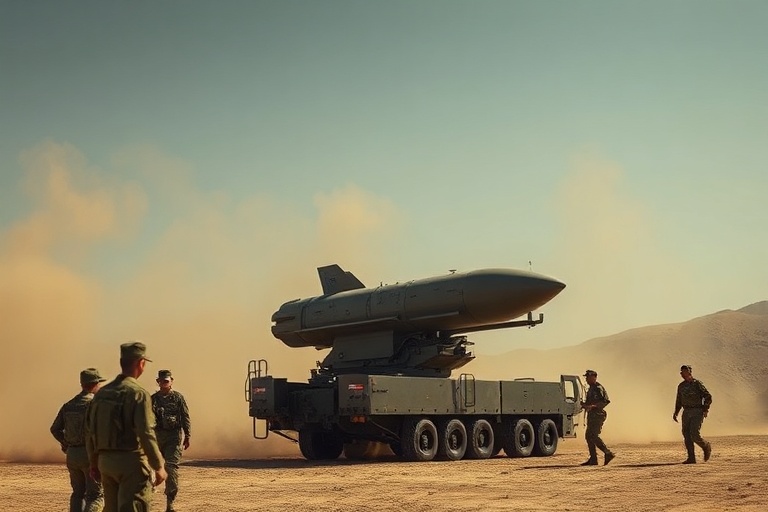
The 1990s saw Iran begin producing its own missiles, starting with the Shahab-1, a modified version of North Korea’s Scud-B. By the early 2000s, Iran had developed the Shahab-3, a medium-range ballistic missile with a range of approximately 1,300 kilometers. This marked a turning point, as Iran transitioned from reverse-engineering foreign designs to indigenous production.
In the decades since, Iran has expanded its arsenal to include the Sejjil (a two-stage solid-fuel missile) and the Emad, a precision-guided weapon capable of striking targets with greater accuracy. These advancements have drawn international scrutiny, particularly from Western powers concerned about Iran’s nuclear ambitions and its support for proxy groups across the region.
Key Milestones in Iran’s Missile Development
- 1985: Iran begins importing Scud missiles from Libya and North Korea during the Iran-Iraq War.
- 1998: Iran successfully tests the Shahab-3, marking its first domestically produced medium-range ballistic missile.
- 2009: Iran unveils the Sejjil, a solid-fuel missile with an estimated range of 2,000 kilometers.
- 2017: Iran conducts a ballistic missile test in violation of UN Security Council Resolution 2231, drawing condemnation from the United States and European Union.
- 2020: Iran launches missiles at U.S. military bases in Iraq in retaliation for the killing of General Qasem Soleimani.
Regional Dynamics: Iran’s Missiles and Middle Eastern Security
Iran’s missile program has become a focal point of regional tensions, particularly with Saudi Arabia and Israel. Both countries view Iran’s expanding arsenal as a direct threat to their security and have invested heavily in missile defense systems. The development of Iran’s missiles has also fueled an arms race in the Gulf, with Saudi Arabia acquiring advanced missile defense technologies from the United States.
Israel, for its part, has conducted a series of covert operations to disrupt Iran’s missile program, including cyberattacks and targeted assassinations of Iranian scientists. These actions highlight the high stakes involved, as Iran’s missiles are seen not only as a military threat but also as a symbol of its defiance in the face of international pressure.
The proliferation of Iranian missiles has also extended to proxy groups such as Hezbollah in Lebanon and the Houthis in Yemen. These groups have used Iranian-supplied missiles to target Saudi Arabia and the United Arab Emirates, further destabilizing the region. The transfer of missile technology to non-state actors has raised concerns about the potential for escalation and the erosion of traditional state-based deterrence mechanisms.
The Role of Proxy Groups in Iran’s Missile Strategy
- Hezbollah: The Lebanese militant group has received advanced missiles from Iran, including the Fateh-110 and the Zolfaghar, which have been used in conflicts with Israel.
- Houthis: The Yemeni rebel group has launched Iranian-made missiles at Saudi Arabia and the UAE, drawing retaliatory strikes from the Saudi-led coalition.
- Iraqi Militias: Groups such as Kata’ib Hezbollah and Asa’ib Ahl al-Haq have been linked to missile attacks on U.S. military bases in Iraq.
Global Reactions: Sanctions, Diplomacy, and Military Posturing
The international community has responded to Iran’s missile program with a mix of diplomacy and coercive measures. The United Nations Security Council has passed several resolutions aimed at curbing Iran’s ballistic missile activities, including Resolution 2231, which endorses the Joint Comprehensive Plan of Action (JCPOA) nuclear deal. However, Iran has consistently argued that its missile program is not subject to these resolutions, citing its right to self-defense under international law.
The United States has taken a particularly hardline stance, imposing sanctions on Iranian individuals and entities linked to the missile program. The Trump administration withdrew from the JCPOA in 2018, citing concerns about Iran’s missile activities and regional aggression. While the Biden administration has sought to revive the nuclear deal, progress has been slow, and the issue of Iran’s missiles remains a sticking point in negotiations.
European countries have adopted a more nuanced approach, balancing concerns about Iran’s missile program with the need to maintain diplomatic channels. The European Union has imposed its own sanctions on Iranian entities involved in missile development, but it has also emphasized the importance of engagement over confrontation. This divergence in international responses reflects the complex geopolitical landscape surrounding Iran’s missile program.
International Efforts to Curb Iran’s Missile Program
- UN Security Council Resolutions: Resolutions 1929 (2010) and 2231 (2015) call on Iran to refrain from activities related to ballistic missiles designed to be capable of delivering nuclear weapons.
- U.S. Sanctions: The U.S. has designated Iran’s Islamic Revolutionary Guard Corps (IRGC) and its aerospace division as terrorist organizations, targeting entities linked to the missile program.
- European Union Measures: The EU has imposed sanctions on individuals and entities involved in Iran’s missile development, including the Defense Industries Organization (DIO) and the Shahid Hemmat Industrial Group (SHIG).
- Diplomatic Initiatives: The JCPOA nuclear deal and subsequent negotiations have sought to address Iran’s missile activities as part of broader efforts to de-escalate tensions.
The Future of Iran’s Missile Program: Challenges and Uncertainties
Looking ahead, Iran’s missile program faces several challenges, both internal and external. Domestically, economic sanctions and political instability have strained the country’s ability to fund and sustain its military research and development. The COVID-19 pandemic has further exacerbated these challenges, diverting resources away from defense projects.
Externally, the program continues to draw criticism from the United States and its allies, who view Iran’s missiles as a destabilizing force in the Middle East. The Biden administration has signaled a willingness to re-enter the JCPOA, but the issue of Iran’s missiles remains a significant obstacle. Meanwhile, Iran has shown no signs of abandoning its missile program, viewing it as a critical component of its national security strategy.
The program’s future will likely be shaped by a combination of technological advancements, geopolitical shifts, and diplomatic efforts. Iran’s ability to develop longer-range missiles with greater precision could further escalate tensions, particularly if it perceives a growing threat from Israel or the United States. Conversely, a breakthrough in negotiations could lead to a reduction in Iran’s missile activities, though such an outcome remains uncertain.
For now, the world watches closely as Iran continues to expand its missile arsenal, weighing the risks of escalation against the potential for dialogue. The stakes are high, not only for the Middle East but for global security as a whole. As the region navigates these challenges, the role of Iran’s missiles will remain a defining feature of its military and political landscape.
For more insights into regional security dynamics, explore our Politics section, where we analyze the latest developments shaping the Middle East and beyond.