Jose Ochoa: The Unsung Leader Transforming Local Sports
In the often-overlooked corners of regional sports, certain figures emerge not through grand announcements but through consistent impact. Jose Ochoa, a name familiar to those in Southern California’s athletic circles, represents this kind of presence. Over the past decade, Ochoa has quietly cultivated a reputation as both a mentor and a strategist, influencing everything from youth leagues to semi-professional teams. His work extends beyond the field, embedding itself in the community fabric of places like Riverside and San Bernardino.
What sets Ochoa apart isn’t just his longevity in the sports world, but his ability to adapt while maintaining a core focus on development. Unlike flashy figures who dominate headlines, he operates with a deliberate approach, favoring substance over spectacle. This has earned him respect among coaches, players, and parents alike, many of whom describe him as the “glue” holding together fragmented local sports ecosystems.
From Player to Architect: Ochoa’s Evolution in Sports
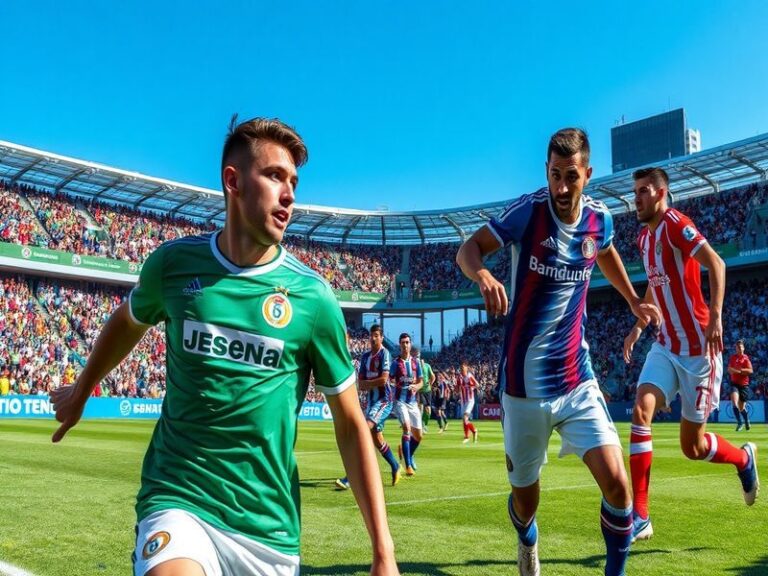
Ochoa’s journey in sports began not as a coach or executive, but as a player. During his college years at Cal State San Bernardino, he was known for his tenacity on the soccer field—a midfielder who thrived in high-pressure situations. His playing career, though respectable, was never destined for national fame. Instead, it laid the groundwork for his future role in sports development. After graduation, Ochoa transitioned into coaching, starting with youth teams in the Inland Empire. This shift revealed a knack for teaching fundamentals while instilling discipline in young athletes.
By the early 2010s, Ochoa had expanded his influence. He founded a small soccer academy aimed at underprivileged youth, leveraging local partnerships to provide free training and equipment. The academy, now known as Ochoa Soccer Development, has since grown into a year-round program serving over 200 children. His philosophy centered on accessibility: “Sports shouldn’t be a privilege,” he often states. “They’re a tool for growth.” This ethos has guided his decisions, from curriculum design to community outreach.
A Community-Centric Approach
Ochoa’s work isn’t confined to drills and scrimmages. He has become a bridge between grassroots programs and larger organizations. For instance, his academy collaborates with Dave’s Locker’s sports initiatives to offer scholarships for elite local players. This connection ensures that talent doesn’t go unnoticed due to financial barriers. Parents in Riverside frequently cite Ochoa’s programs as life-changing, noting improvements in their children’s confidence and academic performance.
The impact extends to local colleges as well. Ochoa serves as an informal scout for programs like Chaffey College, identifying players who might otherwise slip through the cracks. His reputation for honesty—sometimes brutally so—has made him a trusted advisor among recruiters. “Jose tells it like it is,” said one college coach. “If he says a kid can play at our level, we listen.”
The Business of Local Sports: Ochoa’s Role Behind the Scenes
Beyond the field, Ochoa has navigated the complexities of sports administration with a rare blend of pragmatism and idealism. In 2018, he took on a leadership role with the Inland Empire Storm, a semi-pro soccer team struggling with attendance and funding. His approach was multifaceted: he revamped the team’s social media presence, forged partnerships with local businesses, and introduced community match days where kids could meet players. Within two seasons, the Storm’s attendance doubled, and their social media engagement grew tenfold.
This experience underscored Ochoa’s belief that sports organizations must prioritize relationships over transactions. He often cites a 2020 incident where a local tire shop owner, inspired by the Storm’s community games, sponsored new jerseys for the entire youth academy. “That’s the power of local sports,” Ochoa reflected. “It’s not about big budgets; it’s about connections.”
Challenges and Criticisms
Of course, Ochoa’s path hasn’t been without obstacles. Some critics argue that his methods are too idealistic for the cutthroat world of sports. Others question whether his influence is sustainable long-term, given the financial constraints of regional leagues. Ochoa addresses these concerns directly. “We don’t need to be the NBA,” he said in a 2021 interview. “We just need to be better than we were yesterday.” His focus remains on incremental progress, whether that’s a single child earning a college scholarship or a team winning a local tournament.
Another challenge has been balancing his growing responsibilities. Between managing the academy, consulting for teams, and serving on local sports councils, Ochoa admits to burnout on more than one occasion. Yet, he persists, driven by a sense of duty. “This isn’t a job for me,” he explained. “It’s a calling.”
Legacy and the Future: What’s Next for Jose Ochoa?
At 42, Ochoa shows no signs of slowing down. His current projects include a podcast, Local Legends, where he interviews athletes and coaches from the Inland Empire. The show aims to amplify voices that rarely get mainstream attention. Additionally, he’s working with Dave’s Locker’s education programs to integrate sports psychology into high school curricula, helping students manage stress through athletic discipline.
Looking ahead, Ochoa has hinted at expanding his academy’s reach into neighboring counties. He’s also exploring partnerships with professional teams to create a pipeline for local talent. His ultimate goal? To prove that sports can be both a community builder and a viable career path for those outside the traditional talent pools.
A Lasting Impact
Jose Ochoa’s story is one of quiet influence—a reminder that change often happens in the margins. While headlines tout billion-dollar deals and viral moments, figures like Ochoa operate in the shadows, stitching together the fabric of local sports. His legacy won’t be measured in trophies or endorsements, but in the lives of the players he’s mentored and the communities he’s strengthened.
For those who’ve worked with him, Ochoa’s greatest contribution might be his refusal to abandon the grassroots. In an era where sports are increasingly dominated by corporate interests, his commitment to accessibility feels radical. It’s a model that challenges the status quo, proving that sports can—and should—belong to everyone.
As Ochoa often says, “The goal isn’t to create stars. It’s to create opportunities.” And in that simple statement lies the heart of his work.