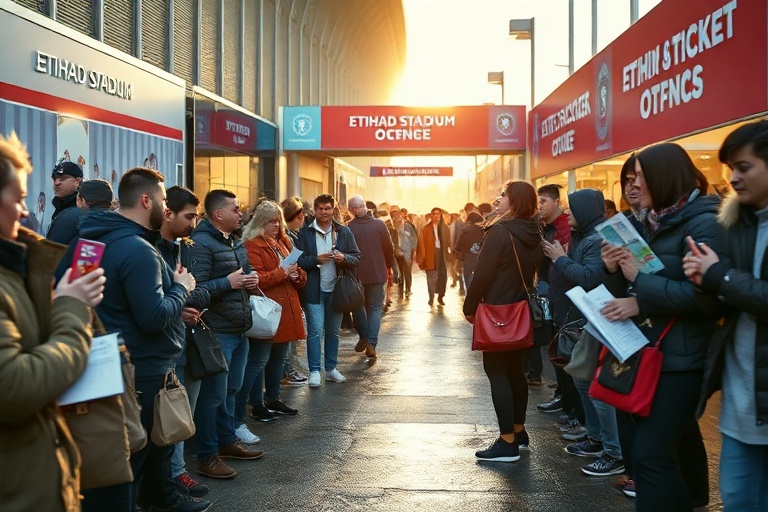
Securing tickets to a Manchester City match is no simple task. The club’s ascent to global football dominance has transformed access to Etihad Stadium into a coveted experience sought by fans worldwide. What began as a local pursuit has evolved into an international phenomenon, with supply struggling to meet the surging demand across continents.
The Anatomy of Demand: Why Manchester City Tickets Are So Sought After
Manchester City’s transformation under Pep Guardiola has elevated the club to unprecedented heights. Three consecutive Premier League titles, a historic treble in 2022-23, and consistent Champions League performances have cemented their status as England’s most dominant force. This success has triggered a global fanbase expansion, particularly in markets where football culture is growing but elite club access is limited.
Unlike traditional powerhouses such as Real Madrid or Barcelona, Manchester City do not boast a century-old legacy with a vast, inherited fanbase. Instead, their rise has been digital-first, fueled by social media, streaming highlights, and strategic marketing. The result is a younger, more diverse supporter base—especially in Asia, North America, and the Middle East—where live match experiences carry premium cultural value.
This demographic shift has created a paradox. While global interest swells, the club’s ticketing system remains rooted in local traditions. Season ticket holders, many of whom are Mancunians with generational ties to the club, still claim priority. For overseas fans, securing tickets often means navigating a labyrinth of third-party sellers, lotteries, and resale platforms.
How the Ticketing System Works Today
Manchester City’s ticket allocation follows a tiered structure designed to balance loyalty with accessibility:
- Season Ticket Holders: Existing members with multi-year commitments receive first priority. Many renewals are automatic, leaving limited space for new applicants.
- Club Membership: Fans can join Cityzen, the club’s official membership scheme, which offers priority access to ticket applications. Waitlists for new members can exceed 10,000 people.
- General Sale: A small percentage of tickets are released for public purchase, often within hours. These sell out in minutes, especially for high-profile matches.
- Hospitality and Tour Packages: Corporate clients and tour operators buy blocks of tickets at premium prices, further reducing availability for individual fans.
- Resale Market: Official resale platforms exist, but scalpers and unofficial brokers dominate the secondary market, often inflating prices to hundreds of pounds.
Global Fandom: The Rise of the Overseas Cityzen
The club’s international fanbase now represents over 40% of its total membership. In countries like China, India, and the United States, Manchester City has become a symbol of modernity and success. The club’s official social media presence—particularly on Weibo and Instagram—reflects this global reach, with matchday content generating millions of views.
Yet this growth has not translated into easier access. Many international fans view a trip to Manchester as a pilgrimage, combining football with cultural tourism. Package deals from travel agencies in Dubai, Singapore, and New York often bundle flights, hotels, and match tickets—priced at a premium that reflects both demand and exclusivity.
In some regions, particularly the Gulf States and East Asia, owning a Manchester City ticket has become a status symbol. Collectors display framed match stubs in offices. Influencers livestream their arrival at the stadium. The ticket itself is no longer just an entry pass—it’s a digital asset, photographed, tagged, and shared across platforms.
The Ethics of Access: Scalping, Bots, and Fair Play
The secondary market for Manchester City tickets is a battleground. Scalpers use automated bots to buy out general sale tickets within seconds, then relist them at 10–20 times face value. This has led to public criticism and calls for stricter enforcement of anti-bot laws, such as the UK’s Digital Economy Act.
The club has responded with measures like verified fan ballots and dynamic pricing on resale platforms. Yet enforcement remains challenging, especially across borders where international resellers operate with limited oversight.
Ethical questions also arise around corporate hospitality. While the club argues that premium packages fund infrastructure and youth development, critics contend they price out genuine fans. The sight of empty corporate seats during crucial matches has fueled debate over ticket allocation priorities.
What’s Next for Manchester City Ticketing?
Looking ahead, Manchester City faces pressure to innovate. Ideas floated include:
- Geographic lotteries that reserve a percentage of tickets for international fans
- Blockchain-based ticketing to prevent fraud and scalping
- More matches streamed in key markets to reduce travel demand
- Expansion of the stadium or alternative venues for high-demand games
There’s also the looming shadow of the proposed European Super League, which—if revived—could reshape ticketing by centralizing allocations across elite clubs. While such a move would likely increase global access, it risks alienating local supporters who view matchday as a communal right.
Conclusion: More Than a Game, a Global Experience
Manchester City tickets are no longer just about watching football. They represent a bridge between local heritage and global aspiration. The challenge for the club—and for football governance—is to honor both.
In an era where clubs chase commercial growth, Manchester City has shown how on-field success can forge emotional connections across continents. Yet that very success threatens to price out the very fans who helped build its empire. The future of ticketing will define whether the club remains a people’s club in spirit or becomes an exclusive showcase for the global elite.
One thing is certain: the demand will not fade. As long as Citylovers dream of standing in the Etihad, watching Kevin De Bruyne thread a pass or Erling Haaland finish clinically, the scramble for tickets will continue—across continents, time zones, and currencies.