Marco Rubio’s Nike Tracksuit: Fashion, Politics, and Global Trends
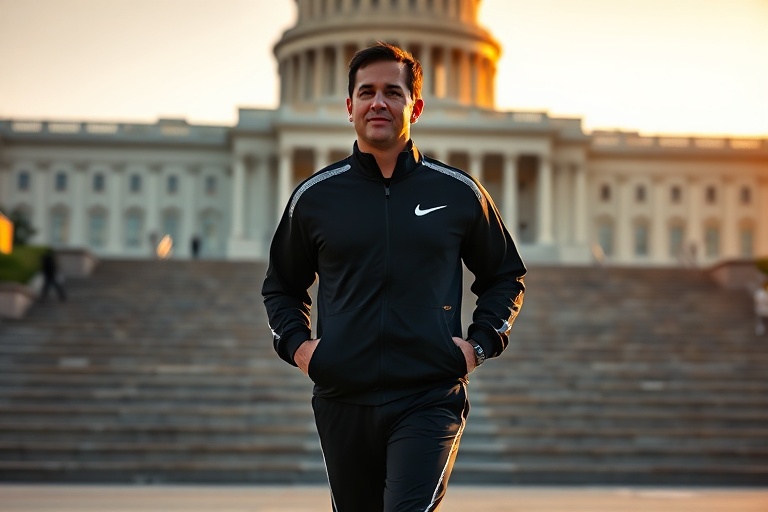
The sight of Senator Marco Rubio wearing a bright red Nike tracksuit during a Senate hearing in 2023 did more than just grab headlines—it sparked a conversation that stretched far beyond American politics. What began as a seemingly ordinary athletic ensemble quickly became a symbol of cultural shifts in fashion, political expression, and even athletic brand influence.
Rubio’s choice to wear the tracksuit, a staple of modern athleisure, wasn’t just a wardrobe decision. It reflected broader trends in how politicians, celebrities, and everyday people approach personal style. The tracksuit, once confined to gyms and lounges, has evolved into a global fashion statement, blurring the lines between comfort and couture.
The Rise of Athleisure in Political Fashion
Athleisure has transitioned from a niche trend to a mainstream wardrobe essential over the past decade. Brands like Nike, Adidas, and Lululemon have redefined casual wear, making it acceptable—even fashionable—to wear athletic gear in non-athletic settings. Rubio’s tracksuit, with its bold Nike branding and vibrant red color, was a deliberate nod to this cultural shift.
Politicians have historically adhered to strict dress codes, favoring suits and ties to convey authority. However, the boundaries have softened. Figures like Alexandria Ocasio-Cortez and Justin Trudeau have embraced more casual styles, signaling a generational change in how leadership is visually represented. Rubio’s tracksuit, therefore, wasn’t just about comfort—it was a statement about modernity and relatability.
- Nike’s cultural dominance: The brand’s swoosh logo is instantly recognizable worldwide, transcending sports to become a symbol of status and lifestyle.
- Political symbolism: Wearing athletic wear in a formal setting challenges traditional norms, making a bold statement about accessibility.
- Global athleisure trends: From Tokyo to Milan, tracksuit culture has permeated streetwear, influencing designers and consumers alike.
The Global Impact of the Tracksuit
The tracksuit’s journey from functional athletic wear to a global fashion icon is a testament to its versatility. In Europe, high-end designers like Balenciaga have reimagined the tracksuit, elevating it to luxury status. Meanwhile, in urban centers like New York and London, streetwear enthusiasts pair tracksuits with designer sneakers, creating a hybrid style that defies categorization.
Rubio’s Nike tracksuit resonated particularly strongly in regions where sports and fashion intersect. In Brazil, for example, football culture has long influenced streetwear, with fans proudly wearing jerseys and tracksuits as badges of identity. Similarly, in Africa, where Nike has a strong presence through initiatives like the Nike Community Impact Fund, the tracksuit has become a symbol of empowerment and aspiration.
Social media amplified the tracksuit’s reach. Instagram and TikTok users shared memes, styling tips, and even parodies of Rubio’s outfit, turning it into a viral moment. The tracksuit’s visibility in mainstream media further cemented its place in global fashion discourse, proving that even a simple athletic ensemble could spark meaningful conversations.
Cultural and Political Reactions
Rubio’s tracksuit didn’t just make waves in fashion circles—it also ignited debates about professionalism, authenticity, and political messaging. Critics argued that wearing athletic wear to a Senate hearing undermined the gravity of the institution. Supporters, however, saw it as a refreshing departure from the stiffness of traditional politics.
The tracksuit became a symbol of authenticity, particularly among younger voters who value relatability over formality. It also sparked discussions about the intersection of sports and politics, with many drawing parallels to figures like Colin Kaepernick, whose athletic career became intertwined with social activism.
Internationally, the reaction varied. In some regions, the tracksuit was celebrated as a bold fashion choice, while in others, it was criticized as a sign of declining professional standards. This global divide highlighted how cultural norms shape perceptions of fashion and politics alike.
Why the Tracksuit Endures
The tracksuit’s staying power lies in its adaptability. It can be dressed up or down, making it a favorite among fashion enthusiasts and casual wearers alike. Its association with comfort and freedom has made it a staple in wardrobes worldwide, from athletes to office workers.
For politicians, the tracksuit represents a shift toward more approachable leadership. For fashion lovers, it’s a canvas for self-expression. And for brands like Nike, it’s a reminder of the power of athletic wear to transcend its original purpose.
Rubio’s Nike tracksuit may have started as a single moment in time, but its impact is undeniable. It challenged norms, sparked conversations, and proved that even the simplest pieces of clothing can carry significant cultural weight.
A Final Thought
As fashion continues to evolve, the tracksuit’s legacy will likely endure. It’s more than just a piece of athletic wear—it’s a symbol of a changing world, where comfort, style, and self-expression intersect. Whether in politics, streetwear, or high fashion, the tracksuit’s influence is here to stay.
For those looking to explore more on this topic, check out our Fashion and Sports sections on Dave’s Locker for deeper insights into how athletic wear shapes global culture.