Memorial Day Weekend 2026: Global Traditions, Travel Trends & Cultural Shifts
Memorial Day Weekend 2026: A Global Pause for Reflection and Celebration
Memorial Day Weekend 2026 arrives amid a global landscape where the rhythms of remembrance and leisure continue to evolve. As nations balance the weight of history with the pulse of modern life, this annual observance—rooted in American tradition—has increasingly taken on new meanings worldwide. From solemn ceremonies marking sacrifice to vibrant festivals celebrating the unofficial start of summer, the weekend serves as a mirror reflecting cultural priorities and shared human values.
The holiday’s origins trace back to the aftermath of the Civil War, when communities across the United States gathered to honor fallen soldiers. Over time, Memorial Day expanded beyond its national borders, resonating with nations that have experienced their own wars and conflicts. In 2026, as the world grapples with the legacies of recent global tensions and the ongoing push for peace, the weekend invites reflection on what it means to remember—and how societies choose to heal.
A Weekend of Two Faces: Remembrance and Recreation
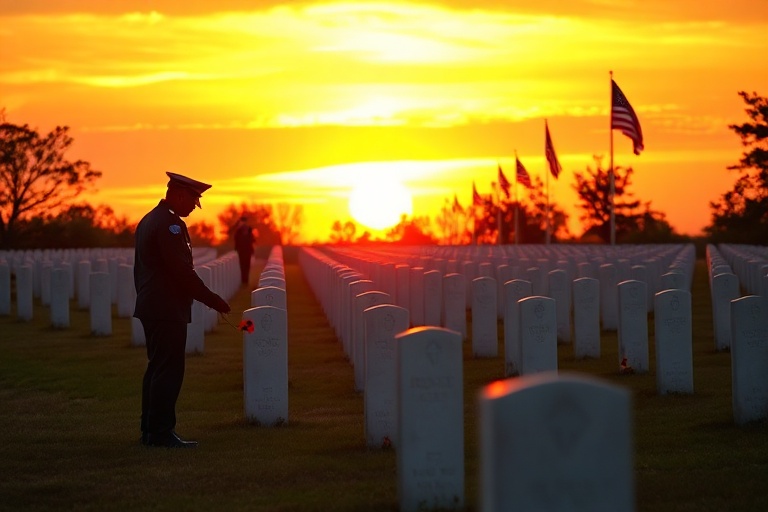
The dual nature of Memorial Day Weekend—part tribute, part celebration—highlights the complexity of modern life. In the United States, the federal holiday is observed on the last Monday of May, a date that now marks the unofficial start of summer. Barbecues sizzle, beaches fill with sunbathers, and retail stores launch seasonal sales. Yet beneath the festive surface, the day demands a moment of silence at 3:00 PM local time, as mandated by federal law since 2000.
This tension between leisure and reverence is not unique to America. In Europe, where many countries observe Remembrance Day or Victory Day with parades and moments of silence, Memorial Day Weekend has become a cultural touchstone for transatlantic solidarity. In 2024, for instance, European leaders joined American counterparts in commemorating D-Day’s 80th anniversary, underscoring the shared history that binds the continents. By 2026, similar collaborations could further blur national boundaries, turning remembrance into a collective act.
Meanwhile, in the Asia-Pacific region, countries like Australia and New Zealand observe Anzac Day on April 25th, a day that shares Memorial Day’s themes of sacrifice and national identity. Yet as global travel rebounds post-pandemic, some travelers are extending their journeys to participate in American ceremonies or local remembrance events, creating a new form of cultural tourism centered on history and empathy.
Cultural Shifts: How Gen Z Is Redefining Memorial Day
Generation Z, now the largest generational cohort globally, is reshaping how Memorial Day Weekend is perceived and celebrated. Unlike previous generations, Gen Z approaches remembrance with a blend of digital activism and experiential participation. Social media platforms have become modern memorials, where users share stories of veterans, post throwback photos with family members who served, and participate in hashtag campaigns like #HonorThroughAction.
This shift is not without controversy. Critics argue that the commercialization of the holiday—epitomized by mattress sales and auto show promotions—undermines its solemn purpose. Yet Gen Z’s emphasis on authenticity has pushed brands and organizations to rethink their messaging. In 2026, expect to see more brands aligning with veterans’ causes or sponsoring educational content about military history, rather than relying solely on patriotic imagery for sales.
Cultural festivals are also adapting. Cities like Austin, Texas, and Portland, Oregon, are blending Memorial Day Weekend with local music and arts scenes, hosting concerts that donate proceeds to veterans’ charities. Internationally, cities like Berlin and Tokyo have begun incorporating American-style barbecues and outdoor screenings into their own summer kickoff events, often with a multicultural twist—think fusion foods and multilingual tributes.
Travel Trends: Where the World Goes for Memorial Day Weekend
As borders reopen and air travel becomes more accessible, Memorial Day Weekend 2026 is poised to be a major travel period. According to early projections from the World Tourism Organization, international tourist arrivals could climb as much as 15% compared to 2025, with a significant portion of travelers seeking destinations that offer both relaxation and cultural depth.
Here are some of the top global destinations drawing visitors during Memorial Day Weekend:
- Washington, D.C., USA: The National Mall hosts one of the largest Memorial Day observances, including a wreath-laying ceremony at the Tomb of the Unknown Soldier and free concerts at the Lincoln Memorial. The city’s museums often extend hours and offer special exhibits on military history.
- Normandy, France: For those seeking a pilgrimage of remembrance, the D-Day beaches host annual ceremonies on May 25th, close to Memorial Day. Visitors can participate in guided tours that explore the historical significance of the sites.
- Sydney, Australia: While Anzac Day has passed, the city’s harbor becomes a focal point for Memorial Day events, including a dawn service at the Anzac Memorial and a community barbecue in Hyde Park.
- Berlin, Germany: The city’s Memorial to the Murdered Jews of Europe hosts special guided tours and candlelight vigils during the weekend, offering a space for reflection on broader themes of loss and resilience.
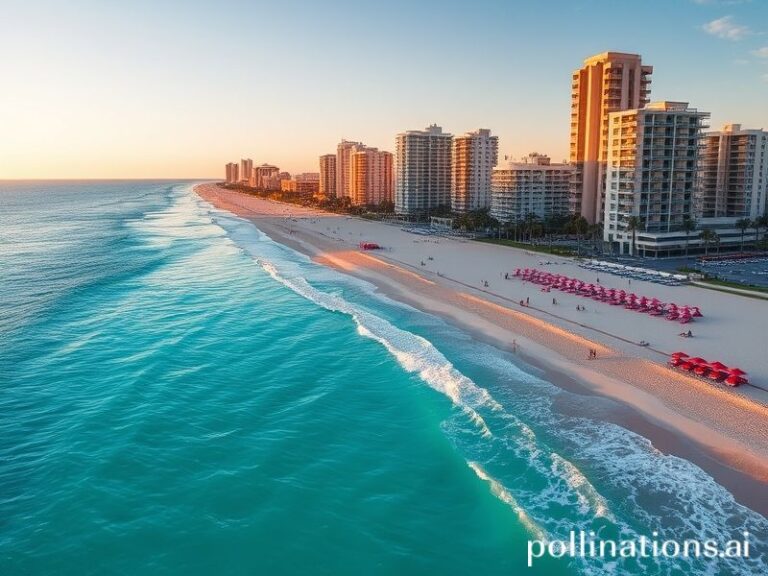
- Cancún, Mexico: For travelers prioritizing relaxation, beach resorts along the Riviera Maya often host Memorial Day-themed events, blending American traditions with local culture—think margarita-making classes and sunset yoga sessions.
Domestic travel within the U.S. is also expected to surge, particularly to national parks and coastal destinations. National park attendance during Memorial Day Weekend has risen steadily since 2020, as Americans seek outdoor experiences that offer both adventure and tranquility. According to the National Park Service, 2025 saw a record 3.2 million visitors over the weekend, and 2026 could surpass that number.
Looking Ahead: The Future of Memorial Day
As Memorial Day Weekend 2026 approaches, the holiday stands at a crossroads. On one hand, it remains a powerful symbol of national identity and collective memory. On the other, it is increasingly shaped by globalization, digital culture, and shifting generational values. The challenge for communities—and for the brands and organizations that engage with the holiday—will be to honor its origins while adapting to a world that no longer sees borders as barriers to either grief or joy.
One potential evolution is the rise of “global remembrance networks,” where cities in different countries synchronize their events through live streams, social media collaborations, and shared educational resources. Imagine a live concert in New York honoring veterans, simultaneously broadcast to audiences in London and Seoul, with local artists in each city contributing to the program. Such initiatives could turn Memorial Day into a truly international moment of reflection.
Another area to watch is the intersection of Memorial Day and environmental activism. As climate change increasingly threatens historic sites—from battlefields to memorial parks—there is growing momentum to incorporate sustainability into Memorial Day events. Expect to see more eco-friendly barbecues, zero-waste initiatives at public gatherings, and partnerships with conservation groups to protect sacred spaces.
Ultimately, Memorial Day Weekend 2026 will be defined not just by what people do, but by why they do it. Whether through a moment of silence, a shared meal, or a journey to a distant shore, the weekend offers an opportunity to pause, to remember, and to connect—across cultures, generations, and histories.