Middlesbrough: A Northern English Town with Global Legacy
Middlesbrough is often overlooked in discussions about Britain’s most influential towns, yet its history, culture, and industrial legacy have left indelible marks both locally and internationally. Situated on the southern bank of the River Tees in North Yorkshire, this town has evolved from a modest agricultural settlement into a key player in the UK’s industrial and cultural landscape. Its story is one of resilience, innovation, and global exchange, reflecting broader themes in post-industrial Britain.
The Industrial Roots: From Ironstone to Global Trade
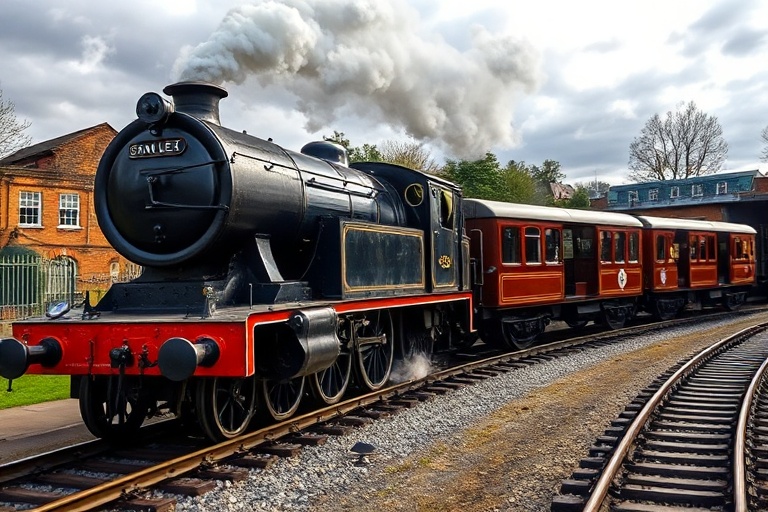
Middlesbrough’s transformation began in the 19th century, thanks to the discovery of ironstone in the Cleveland Hills. The town’s fortunes changed dramatically in 1828 when a local businessman, Joseph Pease, established the Stockton and Darlington Railway’s extension to Middlesbrough. This move unlocked the region’s potential, turning it into a hub for iron and steel production. By the mid-1800s, Middlesbrough was nicknamed “Ironopolis” as its furnaces fueled Britain’s industrial revolution.
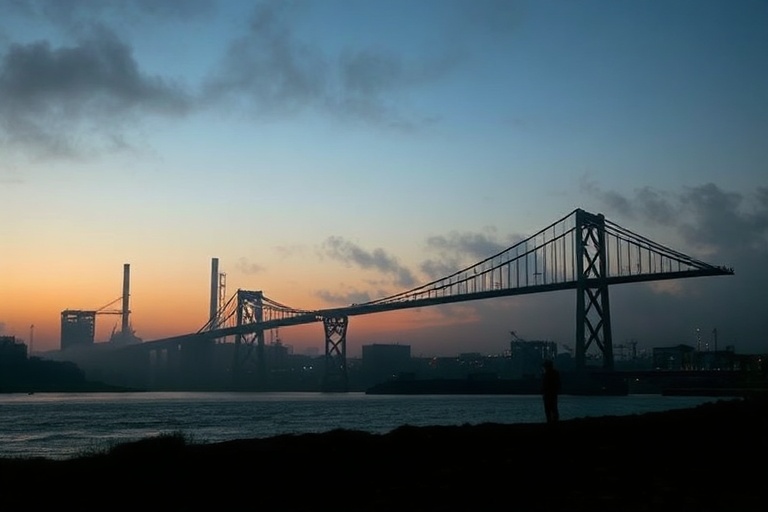
The town’s industrial prowess extended beyond iron. The Teesside region became a powerhouse for shipbuilding, chemicals, and engineering. Companies like Dorman Long, which built the Sydney Harbour Bridge, and Imperial Chemical Industries (ICI) put Middlesbrough on the global map. These industries attracted workers from across the UK and beyond, creating a diverse and multicultural community that persists today. The legacy of this industrial boom is still visible in the town’s architecture, from the towering blast furnaces of the former South Tees Works to the Victorian-era buildings that line Linthorpe Road.
A Cultural Melting Pot
Middlesbrough’s industrial past has shaped its cultural identity in unexpected ways. The town’s workforce included migrants from Ireland, Poland, and later South Asia, particularly during the 20th century. This diversity is reflected in the town’s culinary scene, where curry houses rub shoulders with traditional British pubs. The Middlesbrough Mela, an annual South Asian cultural festival, draws thousands of visitors, celebrating the town’s multicultural heritage. Meanwhile, the Middlesbrough Institute of Modern Art (MIMA) has become a cultural landmark, hosting exhibitions that challenge and inspire.
The town’s music scene has also punched above its weight. Middlesbrough has produced bands like the punk-influenced Leatherface and the indie rock outfit The Futureheads. Local venues like the Town Hall and the Empire have nurtured talent, while the annual Middlesbrough Music Live festival showcases both homegrown and international acts. This blend of local flavor and global influence is a testament to Middlesbrough’s role as a cultural crossroads.
Sport and Community: The Heartbeat of Middlesbrough
Sport is a defining feature of life in Middlesbrough. Football, in particular, is a religion here. Middlesbrough Football Club, founded in 1876, has a passionate fanbase that has weathered highs and lows, from Premier League promotions to relegations. The club’s Riverside Stadium, opened in 1995, is a modern icon, hosting not just football but also concerts and community events. The team’s journey mirrors the town’s own resilience, with moments of triumph—such as reaching the 2006 FA Cup final—serving as symbols of hope.
Beyond football, Middlesbrough has a strong tradition in rugby, cycling, and athletics. The town’s sports facilities, including the Middlesbrough Sports Village, cater to all ages and abilities, fostering a culture of inclusivity. Local initiatives, such as the Tees Valley Giants charity run, highlight the community’s commitment to health and wellbeing. Sports here are more than just recreation; they are a unifying force that brings people together.
Challenges and Renewal: The Modern Middlesbrough
Like many post-industrial towns, Middlesbrough has faced significant challenges in the 21st century. The decline of traditional industries has left gaps in employment and infrastructure. However, the town has shown remarkable adaptability. Regeneration projects, such as the £215 million Middlehaven scheme, aim to revitalize the town center, blending new housing with commercial spaces. The opening of the Tees Valley Mayor’s office in 2017 brought renewed focus to economic development, with investments in digital infrastructure and green energy.
Education and innovation are also key to Middlesbrough’s future. Teesside University has expanded its offerings, particularly in digital and creative industries, while the town’s proximity to the Advanced Manufacturing Park in nearby Darlington positions it at the forefront of technological advancement. Efforts to promote the town as a destination for business and tourism are gaining traction, with attractions like the Transporter Bridge—a Grade II-listed structure and one of only two of its kind in the world—drawing visitors.
Middlesbrough in the Global Context
Middlesbrough’s story is not unique, but it is instructive. It reflects the broader narrative of post-industrial towns across Europe and North America, where economic shifts have forced communities to reinvent themselves. What sets Middlesbrough apart is its ability to embrace change while preserving its identity. The town’s global connections—from the iron that built bridges in Australia to the steel that reinforced skyscrapers in Dubai—highlight its enduring influence.
In an era where globalization often erodes local distinctiveness, Middlesbrough demonstrates how tradition and innovation can coexist. The town’s festivals, its diverse communities, and its commitment to renewal all point to a place that is both rooted in its past and looking toward the future. It is a reminder that even the most unlikely locales can have a global impact.
For those who take the time to explore it, Middlesbrough offers a rich tapestry of experiences. Whether it’s the industrial heritage, the cultural vibrancy, or the sheer determination of its people, the town has stories to tell that resonate far beyond its borders. In a world where cities often dominate the conversation, Middlesbrough stands as a testament to the power of smaller communities to leave a lasting mark.
Exploring Middlesbrough Further
For readers interested in delving deeper into Middlesbrough’s history, culture, or current developments, the following resources provide valuable insights:
- Sports in the North East: Learn more about Middlesbrough’s sporting culture and its impact on the community.
- Cultural Festivals in the UK: Discover how Middlesbrough’s festivals compare to other cultural events across the country.
Middlesbrough may not always make the headlines, but its story is one worth telling. It is a place where industry, culture, and community intersect, creating a unique identity that continues to evolve. As the town looks to the future, its past serves as both a foundation and an inspiration.