Middlesbrough: How One Town Reinvented Itself Beyond Steel
Tucked along the southern bank of the River Tees, Middlesbrough stands as a testament to industrial grit and cultural reinvention. Once the beating core of Britain’s iron and steel trade, this town has navigated economic upheavals with a stubborn pride that defines its identity. Its story is not just one of decline and renewal, but of a community that refuses to be defined solely by its past.
The Rise of a Steel Town
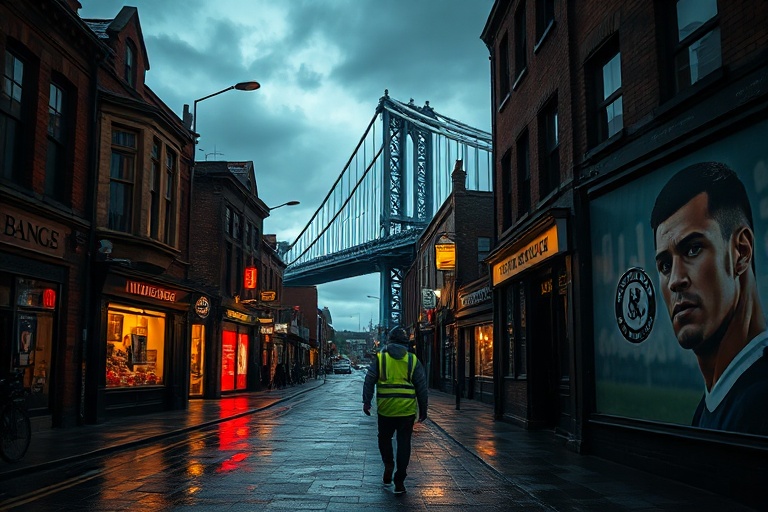
Middlesbrough’s origins trace back to 1829, when a group of Quaker businessmen, led by Joseph Pease, envisioned a new port town to serve the booming coalfields of Durham. The discovery of ironstone in the nearby Cleveland Hills transformed it overnight. By the 1850s, Middlesbrough was the fastest-growing town in England, its skyline dominated by towering blast furnaces and chimneys belching smoke into the Yorkshire sky.
The town’s fortunes were inextricably linked to the steel industry. Companies like Dorman Long and South Durham Steel became global names, supplying the girders for iconic structures such as the Sydney Harbour Bridge and the Tyne Bridge. For generations, the steelworks weren’t just factories; they were a way of life. Workers’ families lived in tightly knit terraces, their schedules dictated by the rhythm of the mills.
Yet this prosperity came at a cost. The air hung thick with industrial grime, and the River Tees ran thick with pollutants. Children played in streets where the soot settled like black snow. The very industry that built Middlesbrough also began to erode its foundations when global competition and technological shifts made traditional steelmaking unviable by the late 20th century.
From Decline to Reinvention
The closure of the Teesside Steelworks in 1980 marked a turning point. Thousands of jobs vanished almost overnight, leaving a town scarred by unemployment and economic stagnation. The unemployment rate soared to over 20%, and the town’s population dwindled as workers sought opportunities elsewhere. Middlesbrough became a symbol of post-industrial Britain—a place left behind by progress.
But decline did not mean defeat. In the decades that followed, Middlesbrough began to redefine itself. The Teesside Development Corporation, established in 1987, spearheaded efforts to clean up the polluted land and attract new industries. The former steelworks site was transformed into Teesside Park, a sprawling retail and leisure complex that now draws shoppers from across the region.
Education and innovation became pillars of the new Middlesbrough. Teesside University, with its focus on digital, engineering, and creative industries, emerged as a catalyst for change. The university’s investment in facilities like the National Horizons Centre reflects a commitment to cutting-edge research, particularly in biosciences and advanced manufacturing.
Key Initiatives Driving Renewal
- Tees Valley Mayor: Since 2017, the region has been led by a directly elected mayor, Ben Houchen, who has prioritized infrastructure projects and business incentives to attract investment.
- Advanced Manufacturing Park: A 120-acre site dedicated to high-tech industries, including aerospace and renewable energy, positioning Middlesbrough at the forefront of the green industrial revolution.
- Cultural Regeneration: The Middlesbrough Institute of Modern Art (mima) has become a cultural hub, hosting contemporary exhibitions and fostering community engagement.
- Housing and Urban Renewal: Projects like the Middlehaven regeneration scheme are revitalizing the town center, with new apartments, offices, and public spaces breathing life into once-neglected areas.
Culture and Identity: What Defines Middlesbrough Today
Middlesbrough’s cultural identity is a vibrant patchwork of tradition and modernity. The town’s dialect, a distinct Geordie-Tees hybrid, is laced with humor and resilience. Phrases like “nay bother” and “it’s champion” (meaning excellent) are woven into everyday speech, a linguistic badge of local pride.
The town’s culinary scene reflects its working-class roots and multicultural influences. The legendary Middlesbrough Market, one of the largest outdoor markets in the UK, offers everything from fresh produce to global street food. Meanwhile, restaurants like The Bay Horse and The Ivy serve up modern British cuisine, proving that the town’s palate is evolving.
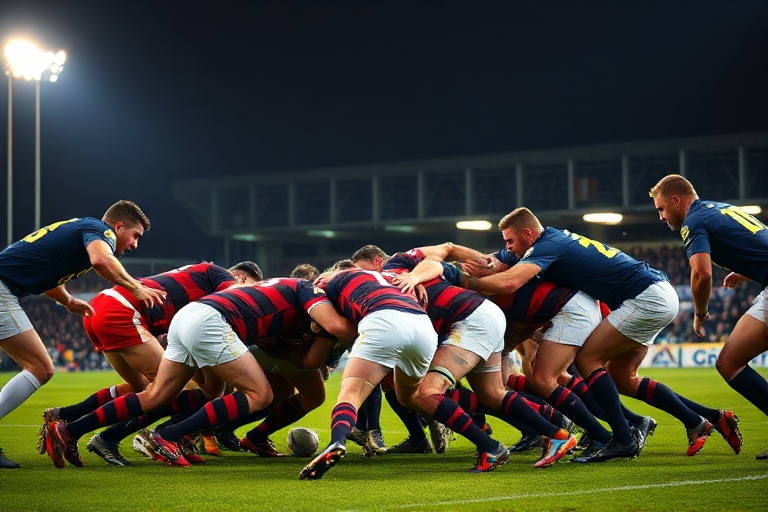
Sport, too, plays a central role in the town’s identity. Middlesbrough Football Club, affectionately known as Boro, has a fanbase that sticks by the team through thick and thin. The club’s 1997 FA Cup run, which ended in a final defeat to Chelsea, remains a cherished memory. In 2023, the club’s promotion to the Championship brought renewed hope and a sense of collective celebration.
Art and creativity are also thriving. The Tees Valley’s designation as a UNESCO Creative City for Media Arts in 2019 underscored its growing reputation in digital and film industries. Local artists, musicians, and filmmakers draw inspiration from the town’s industrial heritage and multicultural communities, creating a dynamic cultural scene.
The Broader Implications: Lessons from Middlesbrough
Middlesbrough’s journey offers broader lessons for post-industrial regions worldwide. Its story is a case study in the challenges of economic transition—balancing the need for regeneration with the preservation of community identity. The town’s ability to reinvent itself without erasing its past is a model for other areas grappling with decline.
Yet challenges remain. Despite progress, Middlesbrough still faces issues of deprivation and inequality. The town’s child poverty rate is among the highest in England, and health outcomes lag behind the national average. These disparities highlight the uneven nature of regeneration, where economic growth does not always trickle down to all residents.
Moreover, Middlesbrough’s future is inextricably linked to wider economic and political shifts. Brexit has disrupted supply chains and labor markets, while the transition to a green economy presents both opportunities and risks. The town’s ability to capitalize on renewable energy and advanced manufacturing will determine whether it can secure lasting prosperity.
For now, Middlesbrough remains a town in motion—one that continues to defy easy categorization. It is neither a success story nor a cautionary tale, but a work in progress. Its people, with their characteristic humor and resilience, are the driving force behind this transformation.
Looking Ahead: What’s Next for Middlesbrough
The coming years will be pivotal. The town’s leadership is banking on several key projects to solidify its revival:
- South Tees Development Corporation: A £500 million regeneration project aimed at creating 20,000 jobs and 10,000 homes, with a focus on advanced manufacturing and clean energy.
- Teesside Freeport: Launched in 2021, this initiative offers tax incentives and streamlined customs procedures to attract international businesses, positioning Middlesbrough as a gateway for global trade.
- Digital and Creative Hubs: Investments in co-working spaces and digital infrastructure aim to nurture startups and entrepreneurs, particularly in gaming and digital media.
These initiatives, if executed effectively, could propel Middlesbrough into a new era of growth. Yet success will depend on more than bricks and mortar. It will require a commitment to inclusive development—ensuring that the benefits of regeneration are shared equitably across the community.
Conclusion: A Town That Refuses to Be Forgotten
Middlesbrough’s story is far from over. It is a narrative of struggle, adaptation, and quiet determination. The town’s ability to reinvent itself while holding onto its identity is a testament to the resilience of its people. As the world moves toward an uncertain future, Middlesbrough offers a reminder that decline is not destiny—and that the heart of a community can be its greatest strength.
For those who call it home, Middlesbrough is more than just a place on the map. It is a feeling—a stubborn pride in the face of adversity, a warmth in the cold northern air, and a determination to keep moving forward, no matter what comes next.
For more insights into regional economic trends and cultural shifts, explore our News and Analysis sections.