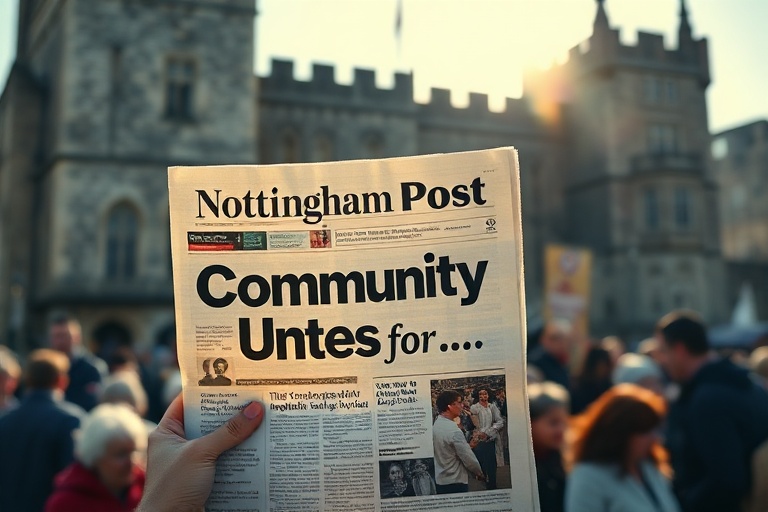
The Nottingham Post has long served as more than just a newspaper. For generations, it has been a mirror reflecting the heartbeat of Nottingham and its surrounding areas. In an era where digital media often overshadows print, this publication remains a vital thread in the fabric of local journalism. Its pages do more than report news—they preserve stories, amplify voices, and foster a sense of shared identity among residents.
But what makes the Nottingham Post stand out in today’s fragmented media landscape? How has it adapted to the challenges of the 21st century while maintaining its deep-rooted connection to the community? To understand its significance, we need to look beyond the headlines and examine the role of local journalism in preserving civic life.
The Historical Roots of the Nottingham Post
Founded in 1878, the Nottingham Post has witnessed over a century of change. Originally launched as the Nottingham Evening Post, it emerged during a time when industrial cities like Nottingham were rapidly evolving. The paper chronicled the rise of lace-making, the growth of the railway, and later, the challenges of post-war reconstruction. Its archives tell the story of a city in transition, offering a window into the daily lives of its people.
Unlike national papers, the Nottingham Post has always prioritized hyper-local coverage. Its reporters have dug into council meetings, school events, and neighborhood disputes, ensuring that the issues affecting ordinary residents don’t get lost in the noise of broader national narratives. This commitment to grassroots journalism has made it an indispensable resource for those who want to understand the pulse of the East Midlands.
A Tradition of Investigative Reporting
One of the Nottingham Post’s most enduring strengths is its investigative journalism. Over the years, its reporters have exposed corruption, uncovered environmental violations, and held local authorities accountable. These stories often begin with a tip from a concerned resident or a tip-off from a whistleblower, demonstrating how local papers serve as early warning systems for communities.
For example, in 2019, the paper played a key role in uncovering a scandal involving contaminated land in Beeston. Through months of research and public records requests, journalists revealed that residents had been living near toxic waste for years without adequate warnings. The investigation led to regulatory changes and heightened scrutiny of land-use practices in the region.
The Shift to Digital: Challenges and Opportunities
Like many traditional newspapers, the Nottingham Post faced existential threats with the rise of digital media. Circulation numbers declined as readers turned to online news sources, and advertising revenue plummeted. Yet, rather than surrendering to obsolescence, the paper embraced transformation. It expanded its digital presence, launched a mobile app, and integrated social media into its reporting strategy.
Today, the Nottingham Post’s website attracts thousands of visitors daily. Its digital edition offers breaking news, live blogs, and interactive features that engage readers in new ways. Social media platforms, particularly Facebook and Twitter, have become crucial tools for distributing content and interacting with the audience. The paper’s journalists now file stories in real-time, responding to events as they unfold rather than waiting for the next print cycle.
Balancing Speed with Accuracy
This shift to digital has not been without challenges. The pressure to publish quickly can sometimes compromise depth and accuracy. The Nottingham Post has had to strike a balance between immediacy and thoroughness, ensuring that breaking news is reliable while maintaining its tradition of in-depth reporting. Editorials and opinion pieces remain a cornerstone of the paper, offering context that pure speed cannot provide.
To address these challenges, the Nottingham Post has invested in training for its journalists. Fact-checking protocols have been strengthened, and transparency has become a priority. When errors occur, corrections are issued promptly, reinforcing the paper’s commitment to credibility.
The Paper’s Role in Community Engagement
Beyond its reporting, the Nottingham Post plays an active role in fostering community engagement. It sponsors local events, partners with schools for educational programs, and hosts public forums on pressing issues. These initiatives reinforce its position as more than just a news outlet—they highlight its function as a civic institution.
One notable example is the paper’s annual “Our Heroes” campaign, which celebrates unsung individuals making a difference in Nottingham. From teachers and nurses to volunteers and activists, the campaign shines a light on those whose contributions often go unrecognized. It’s a reminder that journalism isn’t just about holding power to account; it’s also about celebrating the people who make the community thrive.
Reader Involvement in the Digital Age
The Nottingham Post has also embraced reader involvement in its digital transformation. Online comment sections, social media polls, and interactive graphics invite readers to contribute to the conversation. Letters to the editor, once a staple of print journalism, have found new life in digital forums where readers can respond to stories in real-time.
This two-way communication has strengthened the bond between the paper and its audience. Readers no longer passively consume news; they help shape it. Whether through tip-offs, guest columns, or social media discussions, the Nottingham Post’s audience has become an integral part of its reporting process.
The Broader Implications for Local Journalism
The story of the Nottingham Post is not unique. Across the UK, local newspapers are grappling with the same pressures of digital transformation, declining revenues, and shifting reader habits. Yet, their survival is critical to the health of democracy. Local papers are the first line of defense against misinformation, the watchdogs of local government, and the storytellers of everyday life.
In an age where national and international news often dominates the conversation, local journalism ensures that the concerns of ordinary people don’t get overlooked. It provides a platform for marginalized voices, holds local leaders accountable, and fosters a sense of shared identity. The Nottingham Post’s ability to adapt while staying true to its roots offers a model for other local papers facing similar challenges.
Lessons for the Future
As the Nottingham Post looks to the future, several key strategies will be essential for its continued success:
- Embracing Technology: Investing in digital tools and platforms to reach younger audiences while maintaining accessibility for older readers.
- Prioritizing Investigative Work: Allocating resources to in-depth reporting that national outlets often overlook.
- Strengthening Community Ties: Collaborating with local organizations, schools, and businesses to reinforce its role as a civic institution.
- Ensuring Financial Sustainability: Exploring new revenue streams, such as membership models, events, and partnerships, to reduce reliance on traditional advertising.
These steps won’t solve all the challenges facing local journalism, but they provide a roadmap for resilience. The Nottingham Post’s journey underscores a fundamental truth: local papers are not relics of the past. They are evolving institutions that continue to serve a vital function in an ever-changing media landscape.
Conclusion
The Nottingham Post’s story is a testament to the enduring power of local journalism. In an era of media consolidation and digital disruption, it has managed to adapt without losing sight of its mission. It remains a trusted source of news, a platform for community voices, and a guardian of civic accountability.
As we navigate an increasingly complex media environment, the Nottingham Post reminds us of the value of local reporting. It’s not just about the headlines—it’s about the stories that shape our lives, the issues that matter most to us, and the people who make our communities what they are. In that sense, the Nottingham Post is more than a newspaper. It’s a cornerstone of civic life in Nottingham.
For those interested in exploring the intersection of local journalism and digital media, visit Dave’s Locker Trending for more insights. To learn about the broader impact of regional news outlets, check out Dave’s Locker Analysis.