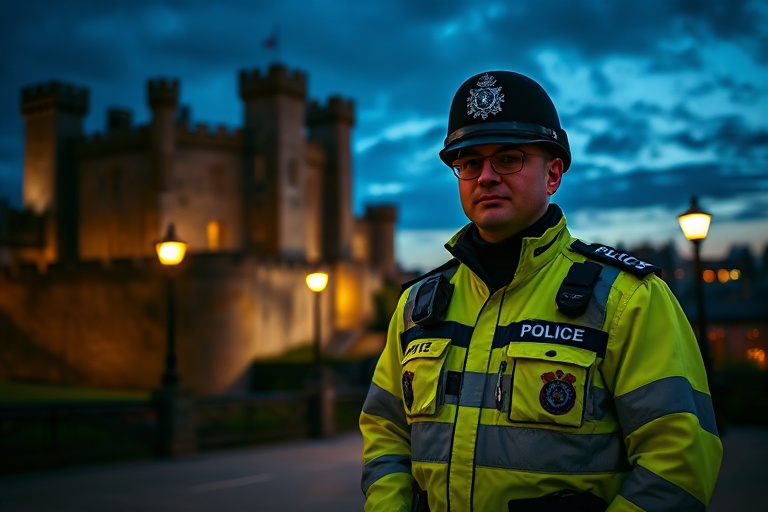
Nottinghamshire Police: Challenges and Innovations in Modern Law Enforcement
Nottinghamshire Police stands at a critical juncture, balancing traditional law enforcement with the demands of a rapidly evolving society. As crime patterns shift and public expectations rise, the force faces both challenges and opportunities in maintaining community safety. This evolution reflects broader trends in British policing, where technology, accountability, and community engagement play increasingly pivotal roles.
Community Policing in the Digital Age
The concept of community policing has long been central to Nottinghamshire’s approach. However, the digital revolution has transformed how officers interact with the public. Social media platforms now serve as vital tools for communication, allowing the force to share updates, respond to concerns, and even solve cases through public appeals. In 2023 alone, Nottinghamshire Police’s Twitter account handled over 50,000 interactions, demonstrating the growing importance of online engagement.
The force has also embraced initiatives like Neighbourhood Watch and Street Pastors, which bridge gaps between law enforcement and residents. These programs foster trust by placing officers in informal, accessible settings. For instance, the Nottinghamshire Police Cadets program offers young people firsthand experience in policing while encouraging civic responsibility. Such efforts underscore a commitment to proactive, rather than reactive, policing.
Key Initiatives Underway
- Digital Intelligence Hub: A centralized team analyzes online activity to combat cybercrime, including fraud and hate speech.
- Violence Reduction Units: Collaborative projects with local charities and schools aim to address youth violence and gang activity.
- Body-Worn Cameras: Over 90% of frontline officers now wear cameras, enhancing transparency and evidence collection.
- Hate Crime Reporting Centres: Partnering with community groups to ensure victims feel safe coming forward.
The Challenge of Rising Crime and Resource Constraints
Like many UK police forces, Nottinghamshire grapples with resource limitations amid rising crime rates. Knife crime, in particular, has surged in recent years, prompting the force to deploy targeted patrols in high-risk areas. Between 2020 and 2023, incidents involving bladed weapons increased by 18%, a trend mirrored across England and Wales. This uptick has forced difficult decisions about resource allocation, with officers often stretched thin.
Budget constraints have also impacted response times. While Nottinghamshire’s average response time for emergency calls remains below the national average—8 minutes and 30 seconds compared to the UK average of 11 minutes—delays in non-emergency cases have drawn criticism. The force has responded by prioritizing calls based on risk, a pragmatic approach that has drawn both praise and scrutiny.
Broader Implications for UK Policing
Nottinghamshire’s struggles reflect systemic issues in British policing. Nationally, forces face a £3.1 billion funding gap by 2025, according to the National Audit Office. This financial strain has led to a decline in officer numbers, with Nottinghamshire losing approximately 200 officers between 2019 and 2023. The resulting pressure on remaining staff has raised concerns about officer burnout and morale.
Moreover, the rise of cybercrime presents an entirely new frontier. In 2022, Nottinghamshire Police recorded a 45% increase in cyber-related offenses, from phishing scams to ransomware attacks. Traditional policing methods are ill-equipped to address these crimes, necessitating significant investment in training and technology. The force’s Digital Intelligence Hub, launched in 2021, is a step in the right direction, but experts argue more needs to be done to keep pace with offenders.
Transparency and Accountability: A Work in Progress
Public trust hinges on accountability, and Nottinghamshire Police has taken steps to improve transparency. The introduction of body-worn cameras has been widely praised, with a 2023 survey showing 78% of residents support their use. Additionally, the force publishes regular reports on use-of-force incidents and stop-and-search procedures, a move designed to address concerns about racial bias.
However, challenges remain. In 2022, the Independent Office for Police Conduct (IOPC) upheld 12 complaints against Nottinghamshire officers, highlighting ongoing issues with misconduct. The force has responded by implementing stricter vetting processes and diversity training, but critics argue these measures are not enough. The Police News section on Dave’s Locker offers further context on national policing reforms and their local impact.
Lessons from High-Profile Cases
The force’s handling of high-profile cases has also shaped public perception. In 2021, the investigation into the murder of 19-year-old Blessing Olusegun drew widespread attention after delays in the case. While the force eventually made arrests, the incident underscored the need for improved investigative processes. Similarly, the 2020 investigation into a series of burglaries in Mansfield highlighted both the dedication of officers and the limitations of a stretched workforce.
These cases serve as reminders that public confidence is fragile. When trust erodes, so too does the willingness of communities to cooperate with law enforcement. Nottinghamshire Police’s efforts to rebuild this trust—through community outreach and clearer communication—are essential for long-term success.
Looking Ahead: The Future of Policing in Nottinghamshire
The next decade will likely see Nottinghamshire Police at the forefront of a policing revolution. The integration of artificial intelligence (AI) and predictive analytics could revolutionize crime prevention, allowing officers to identify hotspots before incidents occur. Pilot programs using AI-driven crime mapping have already shown promise, though ethical concerns about surveillance and data privacy persist.
Another critical area is mental health support. Nottinghamshire has partnered with local healthcare providers to create a Street Triage Team, which pairs officers with mental health professionals to respond to crises. This model has reduced unnecessary arrests and improved outcomes for individuals in distress. Expanding such initiatives could alleviate pressure on both policing and healthcare systems.
Ultimately, the future of Nottinghamshire Police will depend on its ability to adapt. The force’s willingness to embrace technology, prioritize community engagement, and address systemic challenges will determine its success. For residents, the stakes are high—safety, trust, and justice hang in the balance.
What’s Next for Nottinghamshire?
- Expanding AI Tools: Pilot programs in predictive policing may soon roll out across the county.
- Increased Mental Health Training: Officers will receive additional de-escalation training to handle crises more effectively.
- Community Policing 2.0: Plans to launch a mobile app for real-time crime reporting and safety alerts.
- Recruitment Drive: A push to hire 150 new officers by 2025, focusing on cybercrime and digital forensics.
Nottinghamshire Police’s journey mirrors the broader evolution of law enforcement in the 21st century. As it navigates the complexities of modern crime, resource constraints, and public expectations, the force’s success will hinge on innovation, transparency, and unwavering commitment to its communities.