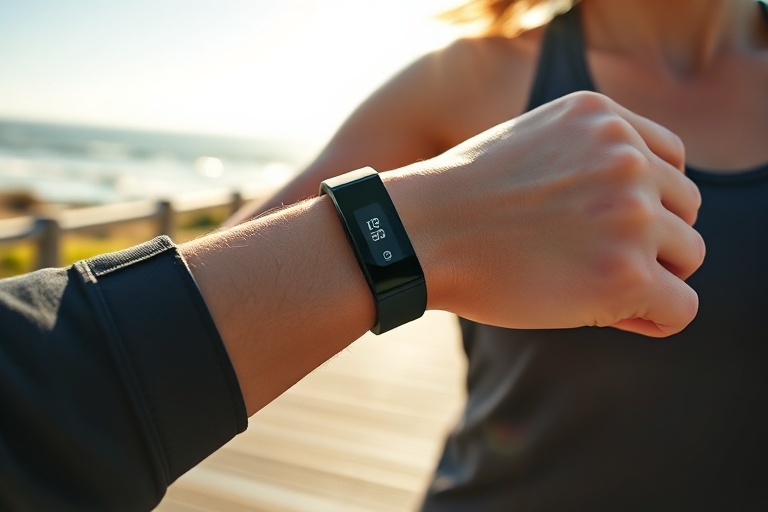
Fitbit Air Tracker Review: Lightweight Fitness Companion for Global Trends
The global fitness tracker market continues to evolve, responding to demands for lighter, more adaptable devices. Fitbit’s latest release, the Air Tracker, enters this space with a design that prioritizes breathability and comfort. Unlike bulkier models that dominate shelves, this device targets athletes and casual users who prioritize minimalism without sacrificing functionality.
Launched in select regions before a wider rollout, the Air Tracker reflects broader trends in wearable technology. Consumers increasingly favor devices that blend seamlessly into daily routines, whether during high-intensity workouts or casual strolls through urban centers. The Air Tracker’s global appeal lies in its ability to adapt to diverse fitness cultures, from marathon training in Tokyo to yoga retreats in Bali.
The Design Philosophy Behind the Air Tracker
Fitbit’s engineering team focused on three core principles for the Air Tracker: weight, ventilation, and durability. The device weighs just 22 grams, making it one of the lightest trackers available. Its flexible, perforated band ensures airflow to the wrist, addressing a common complaint among users of traditional fitness bands—excessive sweating and irritation.
In markets like Germany and the Netherlands, where outdoor activities are deeply embedded in culture, the Air Tracker’s design resonates with hikers and cyclists. Meanwhile, in warmer climates like Brazil and India, the breathable material prevents the kind of discomfort that often discourages consistent tracker use. Fitbit’s approach aligns with a global shift toward ergonomic wearables that cater to regional preferences.
Key Features of the Fitbit Air Tracker
- 24/7 Activity Tracking: Monitors steps, distance, calories burned, and active minutes.
- Sleep Analysis: Tracks sleep stages and provides insights into sleep quality.
- Heart Rate Monitoring: Continuous heart rate tracking for workouts and rest.
- Battery Life: Up to 7 days on a single charge, ideal for travelers and busy professionals.
- Water Resistance: 50-meter water resistance, suitable for swimming and water sports.
These features position the Air Tracker as a versatile tool for fitness enthusiasts worldwide. In regions where swimming is a popular form of exercise, such as coastal areas in Australia and the Mediterranean, the water resistance feature adds significant value. Meanwhile, in urban hubs like New York and London, the sleep analysis tools appeal to professionals balancing demanding schedules.
Global Fitness Trends and the Air Tracker’s Role
The rise of boutique fitness studios and home workouts has reshaped consumer expectations for fitness technology. The Air Tracker fits into this landscape by offering a no-frills, reliable device that integrates with popular fitness apps. Its compatibility with platforms like Strava and MyFitnessPal ensures users can sync data across multiple services, catering to the global habit of tracking progress digitally.
In Asia, where fitness trends often blend tradition with modernity, the Air Tracker’s simplicity appeals to users practicing disciplines like tai chi or traditional martial arts. The device’s unobtrusive design allows practitioners to focus on form and technique without distractions. Similarly, in Africa, where mobile technology is rapidly expanding, the Air Tracker’s affordability and ease of use make it accessible to a broader audience.
Cultural attitudes toward fitness also influence how wearables are adopted. In Scandinavia, for example, outdoor activities are a way of life, and the Air Tracker’s lightweight design aligns with the region’s emphasis on minimalist, functional gear. Conversely, in the United States, where boutique fitness is a multi-billion-dollar industry, the Air Tracker competes with high-end trackers that offer advanced metrics like VO2 max and recovery time.
Comparing the Air Tracker to Competitors
While Fitbit’s Air Tracker enters a crowded market, its unique selling points set it apart. Competitors like the Apple Watch and Garmin Venu emphasize advanced health metrics and smartwatch features. However, the Air Tracker’s focus on simplicity and affordability appeals to users who prioritize core fitness tracking over additional functionalities.
For instance, the Apple Watch Series 9 includes an always-on display and cellular connectivity, but it comes at a premium price. The Air Tracker, on the other hand, offers essential features at a more accessible price point, making it an attractive option for budget-conscious consumers. In markets like Southeast Asia and Latin America, where affordability is a key factor, the Air Tracker’s pricing strategy could drive significant adoption.
Fitbit Air Tracker vs. Competitors
- Fitbit Air Tracker: Lightweight, breathable design, 7-day battery life, $99.95.
- Apple Watch Series 9: Advanced health metrics, smartwatch features, 18-hour battery life, $399.
- Garmin Venu 3: GPS, advanced sleep tracking, 14-day battery life, $449.99.
- Xiaomi Mi Band 8: Budget-friendly, 16-day battery life, limited smart features, $49.99.
The Air Tracker’s balance of affordability and functionality positions it as a strong contender in the mid-range fitness tracker market. Its global appeal is further enhanced by Fitbit’s established reputation for accuracy and reliability, a factor that resonates with users across different regions.
The Future of Fitness Trackers and the Air Tracker’s Impact
As wearable technology continues to advance, the Air Tracker represents a step toward more inclusive and adaptable designs. The global fitness industry is moving beyond traditional gym settings, with trends like outdoor boot camps, virtual workouts, and recovery-focused exercises gaining traction. The Air Tracker’s lightweight and breathable design aligns with this shift, offering a device that can keep up with diverse fitness routines.
Looking ahead, Fitbit and other brands may introduce even more region-specific features, such as language support or local fitness challenges. For example, in Japan, where walking is a popular form of exercise, the Air Tracker could integrate with apps that track steps in urban environments like Tokyo’s bustling streets. Similarly, in Europe, where cycling is a primary mode of transportation, the device could include features tailored to cyclists.
The Air Tracker’s success will depend on its ability to adapt to these regional nuances while maintaining its core appeal: simplicity and reliability. As consumers worldwide continue to prioritize health and wellness, devices like the Air Tracker will play an increasingly important role in shaping the future of fitness technology.
Conclusion
The Fitbit Air Tracker enters a market that values both performance and comfort. Its lightweight, breathable design addresses common pain points among fitness enthusiasts, from excessive sweating to discomfort during prolonged use. By focusing on essential features and affordability, Fitbit has created a device that appeals to a global audience, from urban professionals to outdoor adventurers.
As fitness trends continue to evolve, the Air Tracker’s adaptability will be key to its longevity. Whether used by marathon runners in Europe, yoga practitioners in Asia, or casual walkers in the Americas, the device’s simplicity and reliability make it a worthy addition to the wearable technology landscape. For consumers seeking a no-frills, effective fitness tracker, the Air Tracker delivers on its promise—lightweight design meets global fitness needs.