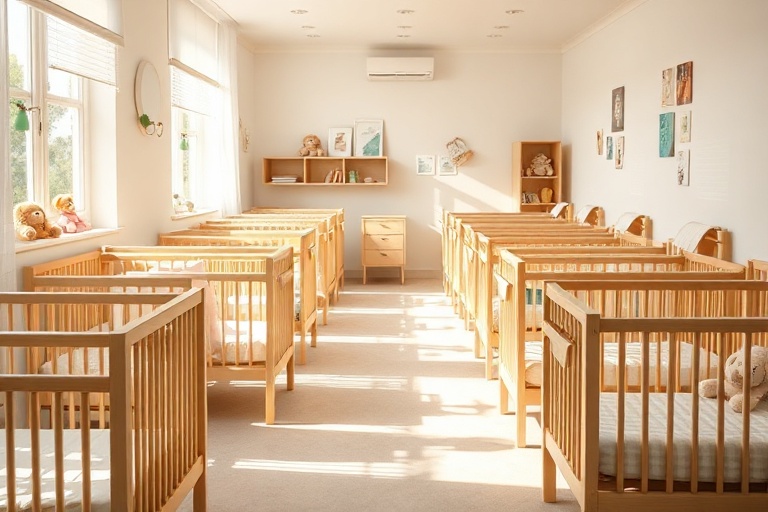
The word “nursery” evokes images of tiny shoes by the door, finger-painted calendars taped to refrigerators, and the low hum of children’s laughter drifting through sunlit rooms. These spaces are more than childcare; they are the first formal classrooms for millions of young learners worldwide. From the bustling cities of East Asia to the rural villages of Sub-Saharan Africa, nurseries serve as microcosms of cultural values, economic realities, and educational philosophies. Their evolution reflects broader societal shifts—how societies view childhood, gender roles, and the very purpose of early learning.
The concept of organized early education is not new. In 18th-century Europe, philanthropists like Johann Heinrich Pestalozzi championed the idea that learning begins at birth. His methods emphasized sensory exploration and emotional development, laying the groundwork for modern nursery pedagogy. Across the Atlantic, Friedrich Fröbel, the founder of kindergarten, introduced structured play and nature-based learning in 19th-century Germany. These ideas spread rapidly, adapting to local contexts as they traveled. Today, nurseries exist in nearly every country, yet their form and function vary dramatically—shaped by history, policy, and cultural priorities.
Global Models: From Play-Centric to Academic Rigor
In Scandinavia, nurseries embody a deeply ingrained philosophy: childhood is a time for exploration, not acceleration. Denmark’s “hygge” culture extends into its early education system, where cozy, homelike environments prioritize social-emotional learning over early literacy drills. Children spend hours outdoors, regardless of weather, climbing trees and building forts. This approach is rooted in research showing that unstructured outdoor play fosters resilience, creativity, and physical health. Sweden’s nurseries take it further, integrating gender equality from the earliest years through shared caregiving roles and inclusive play materials.
Contrast this with South Korea, where early education has become intensely academic. Parents enroll toddlers in “hagwons” (private cram schools) and nurseries that focus on English, math, and music from age two. The pressure stems from a hyper-competitive education system that begins in elementary school. While this model produces high literacy rates, critics warn of burnout and diminished creative play. Similarly, in China, nurseries in major cities like Shanghai often resemble mini-schools, with structured schedules and standardized assessments. The government has recently pushed back, advocating for “play-based learning” to counter excessive academic pressure—yet parental anxiety persists.
In many African nations, nurseries serve a dual purpose: education and social equity. In Rwanda, post-genocide recovery efforts included building community nurseries to support working mothers and orphans. These centers provide meals, healthcare, and early cognitive stimulation in regions where formal schooling is inaccessible. In Kenya, the “Nyumbani” model integrates early childhood development with HIV/AIDS support, offering holistic care for vulnerable children. These programs reflect a broader trend in global development: nurseries as tools for poverty reduction and public health.
The Business of Babyhood: Nurseries as Economic Engines
The global nursery market is booming, valued at over $100 billion in 2023 and projected to grow annually by 6%. Urbanization, dual-income households, and delayed parenthood have fueled demand, particularly in high-income countries. In the United States, the average cost of infant care now exceeds college tuition in 28 states. Parents face a fragmented system: corporate chains like Bright Horizons offer premium services with waitlists, while church-affiliated nurseries provide low-cost care. The disparity highlights a troubling truth—access to quality early education is increasingly a privilege.
Technology has seeped into nurseries, too. Apps track diaper changes and nap times; smart cameras allow parents to monitor their children in real time. Some high-end nurseries use AI-driven learning tools to personalize activities based on a child’s developmental stage. Yet concerns linger. Privacy advocates question the data collected on toddlers, while educators debate whether screen time undermines hands-on learning. The pandemic accelerated these trends, normalizing hybrid models where nurseries offer virtual parent workshops and online resources.
In emerging economies, nurseries are also economic catalysts. In India, the “anganwadi” system—a nationwide network of rural nurseries—employs millions of women as caregivers, many of whom are first-generation workers. These programs not only educate children but also empower women, shifting cultural norms around employment. Similarly, in Brazil, the “Creche” system supports low-income families while generating jobs in underserved communities. Such models demonstrate how nurseries can be engines of both social and economic mobility.
Cultural Currents: What Nurseries Teach About Society
Nurseries are not neutral spaces; they reflect and reinforce cultural values. In Japan, nurseries emphasize group harmony and discipline. Children learn to clean up after themselves, serve communal meals, and bow politely to teachers. These lessons extend into adulthood, shaping Japan’s collective work ethic. Conversely, in France, nurseries prioritize autonomy and critical thinking. Children are encouraged to express opinions and solve conflicts independently, a reflection of the country’s emphasis on intellectual freedom.
Gender roles are also embedded in nursery design. In many Western countries, nurseries are gender-neutral, with toys and colors chosen to avoid stereotypes. Yet in some Middle Eastern nations, gender segregation begins early, with separate play areas for boys and girls. These choices often mirror broader societal expectations, reinforcing norms that persist into adulthood. Even language plays a role: in English-speaking nurseries, teachers might say, “Good job!” to praise effort, while in Mandarin-speaking ones, phrases like “Work hard!” are more common, subtly shifting a child’s motivation.
Religion and tradition shape nurseries as well. In Israel, religious nurseries integrate Jewish teachings into daily routines, from prayer times to holiday celebrations. In Muslim-majority countries, some nurseries incorporate Quranic study alongside basic academics. These programs often face criticism for blending education and indoctrination, yet they remain popular among families seeking cultural continuity. In secular societies, nurseries may avoid religious content entirely, focusing instead on multiculturalism and inclusivity.
The Future of Nurseries: Challenges and Innovations
As the world grapples with climate change, nurseries are rethinking their physical spaces. Green design is on the rise, with nurseries incorporating natural lighting, non-toxic materials, and rooftop gardens. In Finland, some nurseries are built entirely from sustainable timber, reflecting the country’s commitment to environmental education. Others are experimenting with “forest nurseries,” where children spend most of their time outdoors, learning directly from nature. These models align with research showing that outdoor exposure reduces stress and improves concentration.
Another frontier is inclusive design. Nurseries are increasingly catering to children with disabilities, using sensory-friendly spaces and adaptive equipment. Inclusive nurseries not only support neurodiverse children but also teach empathy and collaboration to their peers. Some programs pair children with and without disabilities in mixed classrooms, fostering early friendships. These efforts are slowly dismantling barriers, though systemic challenges remain—particularly in low-resource settings.
The COVID-19 pandemic exposed vulnerabilities in nursery systems worldwide. Lockdowns forced many centers to close, leaving parents—particularly mothers—juggling work and caregiving. The crisis highlighted the essential role nurseries play in gender equality and workforce participation. In response, some governments increased funding for early education, recognizing it as infrastructure, not childcare. Yet in other regions, the pandemic deepened inequalities, with private nurseries rebounding faster than public ones.
Looking ahead, nurseries may also become hubs for community health. Some programs now screen for developmental delays, offer nutrition workshops for parents, and provide mental health support for children. These expanded roles reflect a growing understanding of early childhood as a critical period for lifelong well-being.
What Parents Should Consider When Choosing a Nursery
With so many options available, selecting the right nursery can feel overwhelming. Parents should weigh several factors:
- Philosophy: Is the nursery play-based, academic, or a blend? Does it align with your values?
- Staff Qualifications: Are teachers trained in early childhood education? What is the staff turnover rate?
- Safety and Hygiene: Are there secure entry systems, clean facilities, and emergency protocols?
- Curriculum: Does it include social-emotional learning, STEM, arts, and outdoor play?
- Community: Are parents encouraged to participate? Is there a sense of collaboration among families?
Visiting a nursery in person can reveal more than brochures or websites. Observe how children interact with teachers and each other. Ask about daily routines and how conflicts are resolved. Trust your instincts—if a place feels warm and responsive, it likely is.
Nurseries as Mirrors of Society
Nurseries are more than babysitting services; they are the first institutions to shape young minds. Their evolution mirrors humanity’s shifting priorities—from survival to enrichment, from tradition to innovation. As societies grow more complex, nurseries will continue to adapt, balancing cultural identity with global progress. One thing remains constant: these spaces hold the future, one toddler at a time.
For parents navigating the maze of early education options, the journey begins with understanding what a nursery truly represents—not just a place to drop off a child, but a foundation for a lifetime of learning.