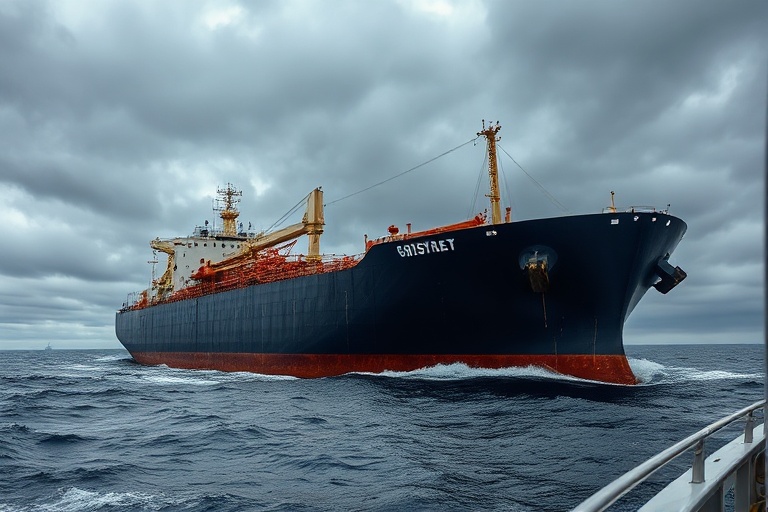
oil tanker
The Essential Role of Oil Tankers in Global Energy
Oil tankers are the unseen arteries of the modern economy, silently ferrying millions of barrels of crude oil and refined products across oceans each year. These massive vessels form the backbone of global energy logistics, connecting oil-rich regions with industrial hubs thousands of miles away. Without them, the uninterrupted flow of gasoline, jet fuel, heating oil, and petrochemical feedstocks that power modern life would grind to a halt.
The sheer scale of these ships is staggering. The largest class, ultra-large crude carriers (ULCCs), can transport over 4 million barrels of oil—enough to fill 160 Olympic-sized swimming pools—while the more common very large crude carriers (VLCCs) handle around 2 million barrels. These floating pipelines stretch longer than four football fields and displace more water than some small cities. Their journey isn’t just a technical marvel; it’s a geopolitical tightrope, balancing energy security, economic stability, and environmental risk.
More than 90% of the world’s oil travels by sea at some point, making maritime transport indispensable. The journey typically begins at a loading port in the Middle East, West Africa, or the Americas, where oil is pumped directly from onshore fields or offshore platforms into the ship’s massive tanks. From there, the tanker sets course for refineries in Asia, Europe, or North America, navigating narrow straits, pirate-infested waters, and increasingly unpredictable weather patterns caused by climate change.
How Oil Tankers Shape the World Economy
Oil tankers don’t just move energy—they influence its price. The cost of shipping oil, known as freight rates, directly affects the price consumers pay at the pump. When rates surge due to high demand or supply disruptions, gasoline prices often follow. This ripple effect is felt globally. For instance, during the 2020 COVID-19 pandemic, oil prices briefly turned negative as storage tanks filled and demand collapsed, forcing tanker operators to idle ships or store oil at sea.
The tanker market is highly cyclical. Prices fluctuate based on geopolitical tensions, seasonal demand, and even the weather. In winter, heating oil demand in Europe and North America drives up rates. In summer, gasoline demand from vacation drivers peaks. Geopolitical flashpoints—such as tensions in the Strait of Hormuz or sanctions on Russia—can cause sudden spikes in shipping costs, altering trade routes overnight.
This volatility has led to the rise of specialized trading strategies. Some companies operate a fleet of tankers not just to transport oil, but to profit from price differentials between regions. This practice, known as arbitrage, helps balance global supply and demand but also exposes the system to speculative risks. It’s a delicate balance: too much shipping capacity can lead to overcapacity and low rates, while too little can cause bottlenecks and price surges.
Safety, Regulation, and Environmental Challenges
The oil tanker industry has evolved significantly since the 1970s, when major disasters like the Torrey Canyon and Exxon Valdez highlighted the catastrophic consequences of spills. These incidents spurred the creation of stricter international regulations, including the International Convention for the Prevention of Pollution from Ships (MARPOL), which mandates double hulls to reduce spill risks and limits the discharge of oily waste.
Despite these advances, risks remain. Even with modern safety protocols, human error, mechanical failure, and extreme weather can still lead to accidents. In 2021, the X-Press Pearl, a Singapore-flagged container ship carrying nitric acid and oil, caught fire off Sri Lanka, causing one of the worst environmental disasters in the country’s history. The resulting oil spill coated beaches, killed marine life, and devastated local fisheries.
The environmental impact of oil tankers extends beyond spills. Ships burn heavy fuel oil, one of the dirtiest forms of marine fuel, emitting sulfur oxides, nitrogen oxides, and particulate matter that contribute to air pollution and climate change. In response, the International Maritime Organization (IMO) has implemented stricter emission standards, including a global cap on sulfur content in marine fuels and mandates to reduce greenhouse gas emissions by at least 50% by 2050 compared to 2008 levels.
Alternative fuels like liquefied natural gas (LNG) and hydrogen are being explored, but adoption remains slow due to high costs and infrastructure limitations. Until cleaner solutions become viable, the industry faces ongoing pressure to reduce its environmental footprint through improved efficiency, better routing software, and investment in renewable energy-powered vessels.
Key Takeaways: What You Should Know About Oil Tankers
To understand the full scope of oil tankers, consider these essential points:
- Scale and Capacity: The largest tankers can carry over 4 million barrels of oil—enough to power a small country for days.
- Global Reach: Oil tankers connect oil-producing nations with energy consumers, making them vital to the world economy.
- Price Sensitivity: Shipping costs directly affect fuel prices, influencing everything from airfare to grocery bills.
- Environmental Risks: Despite regulations, spills and emissions remain major concerns, driving calls for cleaner technologies.
- Geopolitical Leverage: Control of key shipping routes, like the Strait of Hormuz, can become a point of international tension.
The Future of Oil Transport: Trends and Transformations
The oil tanker industry is at a crossroads. On one hand, global demand for oil continues to rise, driven by industrialization in Asia and persistent reliance on fossil fuels. On the other, climate change and shifting energy policies are pushing the world toward renewables. Electric vehicles, hydrogen fuel cells, and biofuels are slowly eroding oil’s dominance, though not fast enough to prevent continued growth in oil demand over the next decade.
One emerging trend is the rise of eco-tankers. These vessels incorporate energy-saving technologies such as air lubrication systems, which reduce hull friction by releasing tiny air bubbles, and advanced route optimization software that minimizes fuel consumption. Some companies are experimenting with wind-assisted propulsion, using giant rotor sails to harness wind power and reduce reliance on fossil fuels.
Another shift is the growing role of digitalization. AI-powered predictive maintenance systems monitor engine health in real time, reducing breakdowns and downtime. Blockchain technology is being tested to streamline documentation and improve transparency in oil trading. These innovations could make tanker operations safer, more efficient, and more sustainable.
Yet, the biggest wildcard remains geopolitics. Sanctions, trade wars, and shifting alliances can reroute oil flows overnight. For example, after Russia’s invasion of Ukraine in 2022, Europe pivoted from Russian oil to supplies from the U.S., West Africa, and the Middle East, forcing tankers to travel longer distances and increasing shipping costs. Such disruptions highlight the fragility of global supply chains and the strategic importance of maritime transport.
Looking ahead, the oil tanker industry will need to balance its traditional role with the demands of a decarbonizing world. While oil will likely remain a critical energy source for years to come, the pressure to reduce emissions and adopt cleaner technologies will only intensify. Companies that fail to adapt risk becoming relics of a bygone era, while those that innovate could redefine the future of energy transport.
For now, oil tankers continue their relentless voyages across the world’s oceans, carrying the lifeblood of modern civilization. They are a testament to human ingenuity and industrial might, but also a reminder of the environmental and geopolitical challenges that lie ahead. How the industry evolves will shape not just the energy landscape, but the future of the planet itself.
For more insights into global energy trends and their broader implications, visit our News and Business sections.
Conclusion
Oil tankers are far more than just industrial vessels—they are the silent engines of the global economy, the invisible threads connecting oil fields to refineries, and ultimately, to the gas tanks of millions of cars, trucks, and airplanes. Their operation reflects the complexities of modern energy systems: a blend of engineering marvels, economic forces, and environmental responsibilities. As the world grapples with climate change and energy transitions, the future of oil tankers will be defined not just by their ability to transport oil, but by their capacity to adapt to a rapidly changing world. Whether through cleaner fuels, smarter technology, or new trade routes, one thing is certain—the journey of oil across the seas is far from over.
—