Olympiacos vs Panathinaikos: The Greek Derby That Defines a Nation
Derby of the Eternal Rivals: Olympiacos vs Panathinaikos Through the Ages
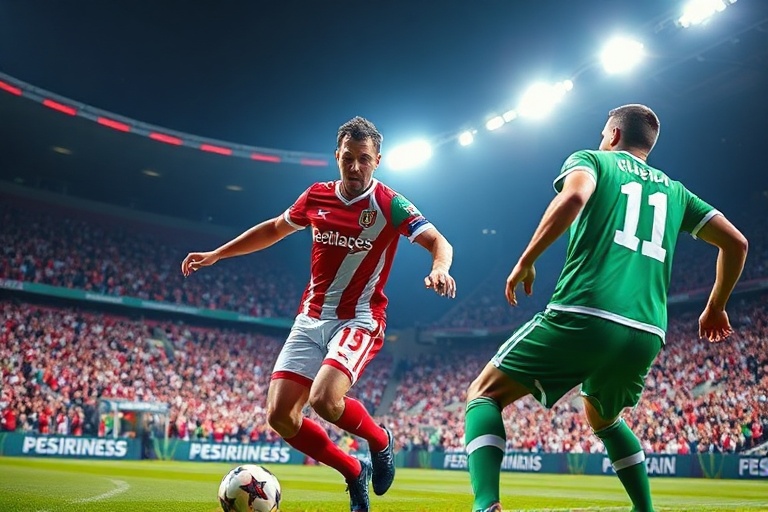
The clash between Olympiacos CFP and Panathinaikos AO isn’t just a football match—it’s a cultural fixture in Greece, a narrative of class, geography, and identity that has unfolded for over eight decades. Known locally as Derby dei Giganti (Derby of the Giants), this fixture transcends sport, embedding itself into the social fabric of Athens and the national consciousness. With over 200 meetings across all competitions, their rivalry is one of the most intense in European football, matched in passion only by the likes of Rangers vs Celtic or Boca vs River Plate.
The roots of this rivalry stretch back to the early 20th century, when two clubs emerged from opposite sides of a deeply divided city. Olympiacos, founded in 1925 in Piraeus—a working-class port city—represented the industrial proletariat, the dockworkers, and the immigrant communities. Panathinaikos, established in 1908 in central Athens, became the club of the bourgeoisie, the intellectuals, and the political elite. This socioeconomic divide still echoes today, shaping fan identities and club narratives.
The Birth of a Rivalry: Class and Identity
When Olympiacos was founded by a group of athletes frustrated with the elitism of existing clubs, it quickly became a symbol of resistance. Panathinaikos, meanwhile, maintained strong ties to the monarchy and the upper classes. The first official match between the two in 1930 ended in a 2–2 draw, but the tension was palpable. Over time, the derby evolved into a referendum on social class, with fans wearing their allegiances like badges of honor.
This rivalry is not confined to the pitch. It spills into the streets of Athens and Piraeus, influencing everything from political discourse to urban development. Olympiacos fans, known as Thrylos (the Legend), often chant about their working-class roots and historical victories. Panathinaikos supporters, the Greens, counter with references to their club’s European pedigree and Olympic heritage—a nod to the ancient games revived in Athens in 1896.
“This isn’t just a football match. It’s about who we are as Greeks. It’s about pride, about history, about standing on the right side of the city.”
Fan interview, Athens, 2023
A Global Stage: The Derby’s International Resonance
While rooted in Greek soil, the Olympiacos vs Panathinaikos rivalry has gained attention far beyond the borders of Greece. Overseas Greek communities—particularly in the United States, Australia, and Germany—host viewing parties and organize travel groups to watch the matches live. In cities like New York and Melbourne, pubs fill with expatriates draped in team colors, turning the derby into a transnational cultural event.
Media coverage of the fixture has also grown, with international outlets like BBC Sport, The Guardian, and ESPN occasionally featuring analyses or highlights. The 2021 Champions League meeting between the two—despite both being eliminated early—generated global curiosity due to the sheer scale of fan interest. Social media platforms erupt during derby weekends, with hashtags like #DerbyDeiGiganti trending across Europe.
The rivalry has also attracted the attention of football historians and sociologists. Dr. Nikos Papadopoulos, a sports anthropologist at the University of Athens, notes that the derby reflects broader Mediterranean patterns of club identity tied to urban geography and migration. In a continent where clubs often reflect regional pride, the Olympiacos-Panathinaikos clash stands out for its depth and duration.
Key Moments That Defined the Rivalry
The history of this fixture is written in dramatic goals, controversial decisions, and moments of pure genius. Below are some of the most defining clashes that have shaped the narrative:
- 1969: Olympiacos 4–1 Panathinaikos (Greek Cup Final) – A masterclass from striker Giorgos Sideris, who scored a hat-trick in a match still celebrated in Piraeus as a symbol of working-class triumph.
- 1971: Panathinaikos 3–0 Olympiacos (European Cup) – The Greens’ golden era under legend Ferenc Puskás, who led them to the European Cup final that year. Olympiacos fans still grimace at the memory.
- 2003: Olympiacos 3–0 Panathinaikos (Super League) – A tactical masterpiece by Argentinian coach Trond Sollied, with goals from Giovanni and Predrag Đorđević. The match is often cited as the turning point in a decade-long Olympiacos dominance.
- 2016: Olympiacos 0–0 Panathinaikos (Super League) – A goalless draw marred by crowd trouble, with flares and clashes leading to a temporary ban on away fans. The match highlighted ongoing security challenges in Greek football.
These moments are more than statistics—they are touchstones for collective memory, used in chants, documentaries, and even political speeches. For many, the derby is a way to assert cultural pride in a rapidly changing world.
The Cultural Legacy and Future of the Derby
Today, the Olympiacos vs Panathinaikos rivalry remains one of the most attended derbies in European football. Matches at the Olympic Stadium in Athens routinely draw over 60,000 fans, with ticket demand outstripping supply. The atmosphere is electric, characterized by synchronized chants, pyrotechnics, and a palpable sense of history.
Yet, the derby faces challenges. Financial disparities between the clubs have widened in recent years, with Olympiacos benefiting from more consistent investment and commercial growth. Panathinaikos, despite its storied past, has struggled with ownership instability and relegation threats. This imbalance has led some to question whether the derby can retain its intensity if one side falls too far behind.
Still, the passion endures. Younger generations continue to inherit the rivalry, with social media enabling new forms of engagement. Fan pages, podcasts, and even eSports derbies have emerged, ensuring the rivalry evolves with the times.
The Olympiacos vs Panathinaikos derby is more than a football match—it is a living archive of Greek society, a mirror of its divisions and dreams. As long as Athens and Piraeus stand apart, so too will their teams, locked in eternal competition.
For fans worldwide, the next chapter of this storied rivalry is not just anticipated—it is lived, celebrated, and remembered.