PAOK vs AEK Athens: The Greek Football Rivalry That Captivates the World
The rivalry between PAOK Thessaloniki and AEK Athens stands as one of the most intense and storied in Greek football. More than just a match, these encounters encapsulate regional pride, historical tensions, and the passion of Greek supporters. From the industrial port city of Thessaloniki to the bustling streets of Athens, the rivalry transcends the pitch, embedding itself into the cultural fabric of Greece.
The two clubs have amassed a combined total of more than 30 domestic titles, with AEK Athens traditionally representing the capital’s cosmopolitan identity and PAOK embodying the underdog spirit of northern Greece. This dynamic creates a compelling narrative that resonates far beyond the stadiums of Toumba and the Olympic Stadium.
A Rivalry Rooted in History and Geography
The origins of the PAOK vs AEK Athens rivalry date back to the mid-20th century, when Greek football began to take on a more organized form. AEK Athens, founded in 1924 by Greek refugees from Constantinople (now Istanbul), quickly established itself as a dominant force in the capital. Meanwhile, PAOK, founded in 1926 by Greek refugees from Pontus and Asia Minor, became the pride of Thessaloniki, Greece’s second-largest city.
The geographic divide between northern and central Greece has long fueled tensions between the two fanbases. Athens, as the political and economic heart of the country, often views itself as the cultural center, while Thessaloniki prides itself on its European identity and working-class roots. These contrasting self-perceptions have translated into fierce competition on the field.
Matches between PAOK and AEK are not merely sporting events; they are cultural showdowns. The rivalry has produced some of the most dramatic moments in Greek football, including last-minute goals, controversial refereeing decisions, and unforgettable comebacks. It is a fixture that captures the imagination of Greek football fans and commands attention across Europe.
Key Moments That Define the Rivalry
Over the decades, PAOK and AEK Athens have delivered countless memorable clashes. One of the most iconic encounters took place in the 1972–73 season, when PAOK secured a historic 3–2 victory over AEK in Athens. This result helped PAOK claim their first league title, a moment still cherished by northern supporters.
Another defining moment occurred in the 2017–18 season, when PAOK won their first Super League title in 34 years. Their 2–0 victory over AEK in a tightly contested match at Toumba Stadium was pivotal. It wasn’t just a win—it was a statement. The celebrations in Thessaloniki spilled into the early hours, with fans flooding the streets in a display of unbridled joy.
The rivalry has also been marked by dramatic European campaigns. In the 1973–74 European Cup, AEK Athens reached the quarter-finals, while PAOK made their own European breakthroughs in the 1990s and 2000s. These continental adventures added another layer to the rivalry, as Greek clubs sought to assert themselves on the international stage.
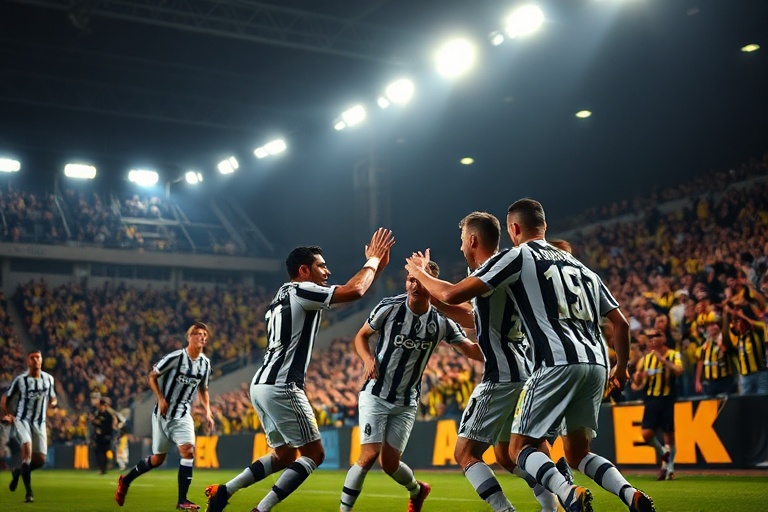
The emotional weight of these matches is amplified by the ultras culture that permeates Greek football. Fan groups such as PAOK’s Gate 4 and AEK’s Original 21 are known for their elaborate displays, passionate chants, and unwavering loyalty. The atmosphere inside Toumba and the Olympic Stadium can be electrifying, with thousands of voices creating a wall of sound that shakes the stadium.
Notable Matches in Recent Years
- 2019–20 Super League: AEK Athens defeated PAOK 2–1 at home, with a late winner from Marko Livaja. The match was marred by crowd trouble and a pitch invasion.
- 2021–22 Greek Cup Final: PAOK defeated AEK Athens 1–0 in a tightly contested final, with a goal from Chuba Akpom securing the trophy in dramatic fashion.
- 2022–23 Super League: AEK Athens won 3–0 away to PAOK, a result that signaled a shift in momentum and contributed to their eventual league title win.
Beyond the Pitch: Cultural and Social Dimensions
The PAOK vs AEK Athens rivalry extends well beyond the boundaries of the football pitch. It reflects broader social and cultural divides within Greece. Thessaloniki, with its rich history as a crossroads of civilizations, has long been seen as a city of resilience and cultural fusion. Its football club, PAOK, embodies these qualities, representing a region that has often felt overlooked by Athens-centric power structures.
AEK Athens, on the other hand, has long been associated with the Greek diaspora, particularly the refugee communities displaced after the fall of Constantinople in 1922. The club’s identity is intertwined with the idea of Greek continuity and cultural preservation. This historical narrative lends AEK a symbolic importance that resonates deeply with its supporters.
The rivalry also highlights the role of football in modern Greek society. In a country grappling with economic uncertainty and social change, football clubs often serve as emotional anchors. They provide a sense of belonging, pride, and identity. Matches between PAOK and AEK are not just about three points—they are about pride, honor, and the soul of Greek football.
The Global Reach of Greek Football’s Most Fierce Rivalry
While the PAOK vs AEK Athens rivalry is deeply rooted in Greece, its appeal has grown internationally. Greek football, once overshadowed by the dominant leagues of England, Spain, and Germany, has found a niche in the global football community. Clubs like PAOK and AEK Athens have cultivated fanbases far beyond Greece’s borders, particularly among Greek diaspora communities in the United States, Australia, and Canada.
Television broadcasts and digital streaming platforms have made these matches accessible to a global audience. International fans tune in not just for the football, but for the atmosphere, the drama, and the cultural spectacle. The rivalry has become a point of pride for Greeks everywhere, a way to assert their identity in a globalized world.
Social media has further amplified the rivalry’s reach. Fan pages, memes, and viral moments spread across platforms like Twitter and Instagram, drawing in younger audiences who may not follow Greek football regularly. This digital engagement has turned PAOK vs AEK into a cultural export, introducing new audiences to the passion and intensity of Greek football.
International Fans and the Rise of the Greek Football Brand
The global interest in PAOK vs AEK has contributed to a broader resurgence of interest in Greek football. Clubs are investing in youth academies, modernizing infrastructure, and seeking to compete in European competitions. Success on the pitch—especially in derbies like PAOK vs AEK—can elevate a club’s profile and attract sponsorship deals from international brands.
For younger fans around the world, the rivalry offers an entry point into the wider world of European football. It’s a chance to explore leagues beyond the traditional powerhouses, to discover the raw emotion of a local derby, and to connect with a community of like-minded supporters.
This growing global footprint is a testament to the enduring appeal of football as a universal language. Whether in Thessaloniki, Athens, or New York, the passion of PAOK and AEK fans transcends borders and languages, uniting people under a shared love of the game.
A Rivalry That Continues to Define Greek Football
The PAOK vs AEK Athens rivalry remains one of the most compelling narratives in European football. It is more than a clash of teams—it is a clash of cultures, histories, and identities. In an era where football is increasingly dominated by financial power and global brands, PAOK and AEK represent something purer: the soul of the game.
As long as Greek football continues to inspire, these matches will retain their significance. They remind us that football is not just about trophies and rankings, but about people, communities, and the stories they tell. The next time PAOK and AEK meet, it won’t just be a game—it will be a chapter in a continuing saga of passion, pride, and rivalry.
For fans of Greek football, these matches are not to be missed. They are the heartbeat of the sport in Greece. And for the rest of the world, they offer a glimpse into a football culture that is as rich in history as it is alive with emotion.
As the two clubs prepare for their next encounter, one thing is certain: the fire of this rivalry will continue to burn bright, illuminating the path for Greek football’s future.
For more insights into Greek football and its global impact, explore our Sports section, where we delve into the stories shaping the beautiful game.