Orange isn’t just a color—it’s an experience. Vibrant, energetic, and impossible to ignore, orange commands attention in nature, art, and daily life. This hue bridges the warmth of red and the brightness of yellow, creating a visual and emotional impact that transcends cultures and centuries.
The Science Behind the Hue
Orange occupies a unique position in the visible spectrum, sitting between red and yellow at wavelengths of approximately 585-620 nanometers. This placement gives it a dual personality: it carries the intensity of red while inheriting the optimism of yellow. The human eye perceives orange as warm and stimulating, which is why it’s often associated with energy and creativity.
In color psychology, orange is linked to enthusiasm, determination, and success. Studies suggest that exposure to orange can increase oxygen supply to the brain, enhancing alertness and mental activity. That’s why it’s a popular choice for brands aiming to convey innovation and accessibility, such as entertainment and tech companies.
How Orange Influences Perception
- Attention-Grabbing: Orange is often used in warning signs (think traffic cones or construction vests) because it’s highly visible against most backgrounds.
- Appetite Stimulation: Many restaurants use orange in their branding or decor because it’s believed to stimulate hunger.
- Emotional Uplift: The color is frequently tied to joy, playfulness, and social connection, making it a favorite in marketing for youthful and energetic products.
A Color Steeped in History
Orange’s journey through human history is as rich as the color itself. The name derives from the Old French word orange, which came from the Arabic nāranj, itself borrowed from the Persian nārang. This linguistic trail reflects the color’s movement across cultures and trade routes.
In ancient Egypt, orange was a symbol of the afterlife, often used in tomb paintings and jewelry. The color was associated with the sun god Ra, who was believed to have created the world. Meanwhile, in ancient Rome, orange was a rare luxury—only the wealthy could afford saffron-dyed fabrics, which produced a similar hue. The dye was so expensive that it was often worth more than gold.
Cultural Symbolism of Orange
Across the globe, orange carries diverse meanings:
- Buddhism: Monks’ robes are traditionally saffron or ochre, symbolizing simplicity and detachment from materialism.
- Hinduism: The color is sacred to many deities, including Shiva, who is often depicted wearing orange or saffron garments.
- The Netherlands: Orange is the national color, representing the royal House of Orange-Nassau and celebrated during King’s Day, a nationwide festival.
- Western Culture: In the 20th century, orange became synonymous with counterculture, from the hippie movement to punk aesthetics.
Orange in Nature and Innovation
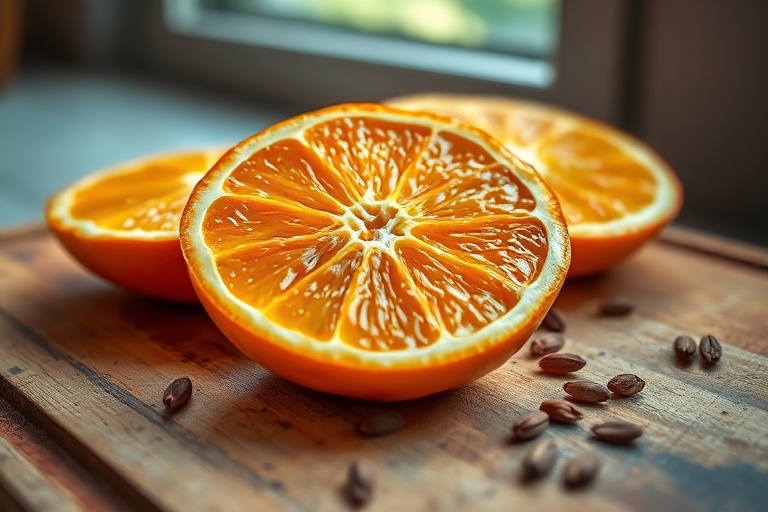
Nature is the original artist of orange, crafting it through chemistry and sunlight. Carotenoids, the pigments responsible for orange hues in fruits and vegetables, play a crucial role in photosynthesis and plant health. This is why pumpkins, carrots, and oranges themselves are so vivid—they’re packed with beta-carotene, a compound the body converts into vitamin A.
Beyond food, orange appears in breathtaking natural phenomena. The aurora borealis occasionally paints the night sky with streaks of orange, a result of solar particles colliding with oxygen at lower altitudes. Similarly, sunsets often bathe landscapes in warm orange tones as sunlight scatters through the atmosphere.
Technological and Industrial Uses
Human innovation has harnessed orange’s visibility and vibrancy in countless ways. High-visibility clothing, often in fluorescent orange, is a staple in construction, aviation, and emergency services. This isn’t just about aesthetics—it’s about safety. Studies show that orange is one of the most easily recognizable colors in low-light conditions, making it ideal for high-risk environments.
In technology, orange has found its way into user interfaces and branding. Tech giants like Google and Amazon have used orange accents to create friendly, approachable interfaces. Meanwhile, in the automotive world, orange has become a symbol of speed and performance, adorning everything from sports cars to racing suits.
Orange in Art, Fashion, and Pop Culture
Artists have long been captivated by orange’s ability to evoke emotion. In the 17th century, Dutch still-life painters like Willem Kalf used orange to highlight the richness of fabrics and the ripeness of fruit, symbolizing wealth and abundance. Fast-forward to the 20th century, and artists like Mark Rothko and Henri Matisse employed orange to convey warmth, intensity, and even melancholy.
Fashion has also embraced orange, though its popularity has waxed and waned. In the 1960s and 70s, designers like Emilio Pucci made orange a staple of psychedelic prints and bohemian styles. Today, orange remains a bold choice, often used in streetwear and high-fashion collections to make a statement. Brands like Hermès and Louis Vuitton have incorporated orange into their designs, proving its versatility.
Orange on Screen and Stage
In film and television, orange is a visual shorthand for a range of themes. It can signify warmth and nostalgia, as seen in the cozy interiors of Mad Men or the sun-drenched landscapes of Little Miss Sunshine. Conversely, it can also represent danger or artificiality, such as the eerie orange glow of Blade Runner 2049’s dystopian cityscapes.
Music has its own relationship with orange. Album covers like Prince’s Purple Rain (which features a striking orange hue) or Arctic Monkeys’ AM (named after the orange hue of the album’s art) use the color to evoke mood and energy. Even the term “orange” has made its way into lyrics, from Jay-Z’s Empire State of Mind (“Concrete jungle where dreams are made of / There’s nothing you can’t do / Now you’re in New York…”) to the nostalgic references in Lana Del Rey’s discography.
Why Orange Matters
Orange is more than a color—it’s a language. It speaks to us through nature, art, and technology, conveying emotions and ideas that words sometimes cannot. Whether it’s the warmth of a sunset, the boldness of a sports car, or the energy of a street festival, orange leaves an indelible mark on our lives.
As we move forward in a world increasingly dominated by digital and visual communication, the significance of orange only grows. It’s a reminder that color is not just a backdrop to our lives but an active participant in how we experience the world. So the next time you see a vibrant orange sky or a piece of clothing in your favorite shade, take a moment to appreciate the complexity and beauty of this extraordinary hue.
For more insights into how color shapes culture and creativity, explore our Culture and Entertainment sections.