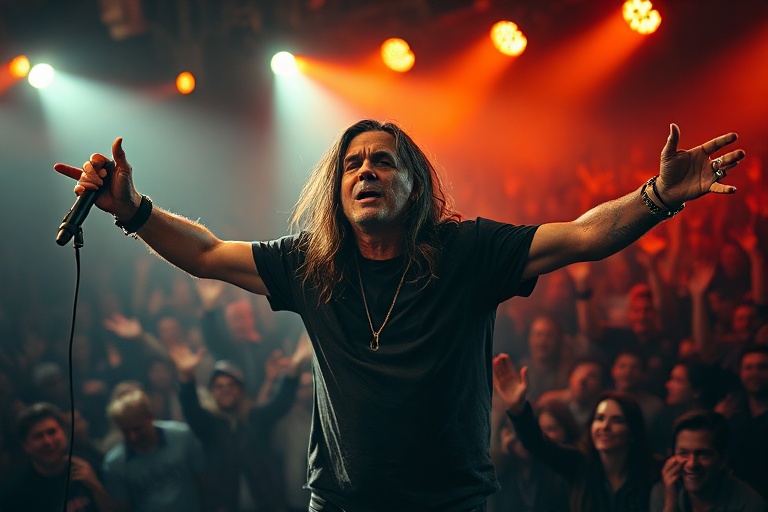
Ozzy Diaz: How One Producer is Redefining Latin Music
Ozzy Diaz emerged from the shadows of Miami’s underground music scene to become one of the most distinctive producers and songwriters working today. His work spans Latin pop, reggaeton, and alternative rock, yet his signature sound defies easy categorization. Unlike many of his peers who chase trends, Diaz crafts music that feels both timeless and urgently contemporary.
From Miami to the Global Stage
Born and raised in Hialeah, Florida, Diaz grew up surrounded by the rhythmic pulse of Latin America. His parents, both immigrants from Cuba, filled their home with salsa, boleros, and rock en español. This dual influence became the bedrock of his artistic identity. Diaz didn’t set out to become a producer; he began as a drummer in local bands, playing gigs in dimly lit clubs where the air smelled of spilled beer and ambition.
His breakthrough came not through a viral hit, but through relentless collaboration. Diaz worked with emerging artists across genres, blending live instrumentation with digital production. His early production credits include work on indie albums that quietly gained cult followings. What set Diaz apart was his refusal to conform to a single style. He could make a reggaeton track feel like a rock anthem or infuse a pop song with the raw energy of punk.
A Signature Sound in an Overcrowded Market
In an era where Latin music dominates global charts, Diaz carved a niche by prioritizing authenticity over algorithm-friendly formulas. His production style is defined by:
- Live instrumentation: Even in heavily electronic tracks, Diaz emphasizes real drums, bass, and guitar to ground the sound.
- Minimalist arrangements: He strips songs down to their emotional core, avoiding the clutter that plagues many modern productions.
- Cultural hybridity: Diaz seamlessly weaves together Afro-Caribbean rhythms, rock harmonies, and hip-hop flows without forcing a fusion.
- Vocal production as storytelling: He treats vocals like lead instruments, using tone, breathiness, and phrasing to convey narrative.
His approach has earned him the nickname “the architect of organic Latin fusion,” a title that reflects both his technical skill and his philosophical stance on music-making. Diaz has spoken in interviews about rejecting the pressure to “sound like the last hit.” Instead, he focuses on serving the song and the artist’s vision.
Collaborations That Defy Expectations
Diaz’s discography reads like a who’s who of unconventional pairings. He’s worked with:
- A punk band from Puerto Rico adapting their sound to reggaeton.
- A Colombian singer-songwriter blending vallenato with ambient electronics.
- A Texas-based Tejano artist reimagining their music for global audiences.
One of his most notable projects was producing the 2022 album Sangre Nueva for rising star Valentina Cruz. The record became a surprise hit on streaming platforms, not because of a single viral track, but due to word-of-mouth praise for its emotional depth and sonic innovation. Critics highlighted Diaz’s ability to make Cruz’s voice feel both intimate and expansive, a rare feat in an industry that often prioritizes loudness over subtlety.
Another standout collaboration was his work on the soundtrack for the indie film Mojave Dreams. Diaz composed original music that mirrored the film’s themes of displacement and resilience. The score earned him a nomination at the Independent Music Awards, further cementing his reputation as a producer who transcends genre boundaries.
The Broader Implications of Diaz’s Work
Diaz’s rise reflects a larger shift in the music industry: the decline of rigid genre classifications and the rise of artist-driven production. In an era where playlists dictate success, Diaz’s insistence on organic sounds feels almost rebellious. His work challenges the notion that Latin music must conform to reggaeton’s current dominance to achieve global relevance.
Moreover, Diaz represents a generation of producers who view technology not as a replacement for human artistry, but as a tool to enhance it. He often cites early hip-hop and punk as influences, genres that thrived on DIY ethics and raw expression. In many ways, his career embodies the democratization of music production—where access to tools has leveled the playing field, but skill and vision still determine impact.
His influence extends beyond his discography. Diaz has mentored dozens of young producers through online workshops and in-person sessions. He emphasizes the importance of understanding music theory, even for those who primarily work with digital tools. “You can’t fake authenticity,” he told Rolling Stone en Español. “It comes from knowing why a chord progression works or why a rhythm feels right. That’s something no plugin can teach you.”
A Look Ahead: What’s Next for Ozzy Diaz
As Diaz prepares to release his first solo album, speculation is mounting about how he’ll blend his diverse influences into a cohesive body of work. Early demos suggest a return to his rock roots, but with a distinctly Latin flavor. He’s also hinted at experimenting with live orchestration, a bold move that could further distinguish his sound.
Beyond music, Diaz has expressed interest in film scoring and even video game soundtracks. His ability to craft atmospheric, narrative-driven music makes him a natural fit for visual mediums. Whatever direction he takes, one thing is clear: Ozzy Diaz isn’t chasing trends. He’s setting them on his own terms.
For artists and fans alike, Diaz’s career offers a blueprint for navigating an industry in flux. In a world where music is increasingly commodified, his commitment to craft and authenticity serves as a reminder of what makes art truly resonate.
To explore more about the artists and producers shaping modern Latin music, visit our Music and Entertainment sections. For deeper analysis on industry trends, check out our Analysis category.
Ozzy Diaz’s story is still being written, but one thing is certain: the music world is better for having him in it.