The Pippa Middleton footpath inquiry has become one of the most closely watched local planning disputes in recent years. What began as a routine assessment of a private footpath in Bucklebury, Berkshire—where Middleton resides—has escalated into a national conversation about privacy, property rights, and public access. The inquiry centers on whether a public footpath should remain open or be diverted to protect the privacy of the landowner.
The controversy gained momentum after reports emerged that walkers had been using the route for decades, while Middleton’s legal team argued that the current path posed privacy and security concerns. The case has drawn attention not only for its legal complexities but also for the broader questions it raises about the balance between public rights of way and private property interests.
The Origins of the Dispute
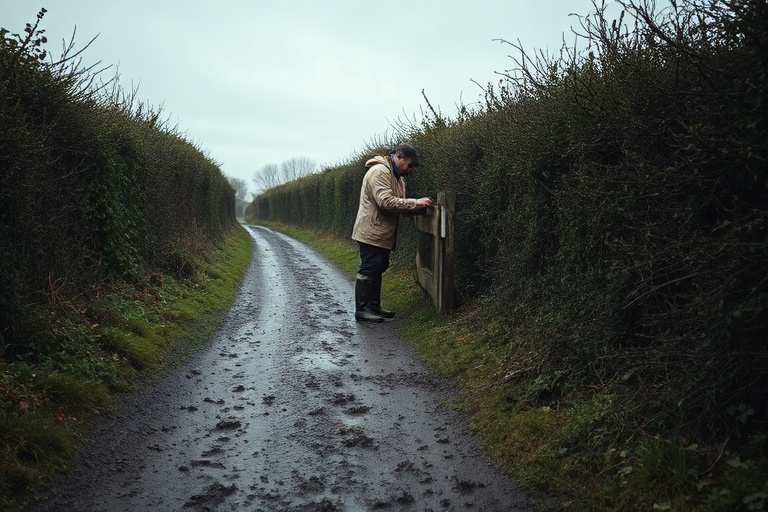
Public footpaths in England are governed by the Countryside and Rights of Way Act 2000, which establishes the public’s right to access certain routes across private land. The footpath in question, known as Public Footpath 10 (FP10), runs near Pippa Middleton’s property in Bucklebury. Local residents and walkers have used it for generations, but its existence came under scrutiny when Middleton’s legal representatives filed an application to divert the path.
According to council documents, the application was submitted in 2022, citing “repeated trespassing, noise disturbances, and security risks.” The landowner’s representatives argued that the current route allowed unauthorized access to private property, including Middleton’s garden and a secluded woodland area. Opponents of the diversion, however, claim the footpath is a vital community asset and that its closure would set a precedent for other landowners to restrict public access.
Local historian Margaret Holloway, who has lived in Bucklebury for 30 years, expressed concern about the long-term implications. “This path has been used by families, dog walkers, and even schoolchildren on their way to the village,” she said. “If it’s closed, what’s next? Will every landowner decide which paths stay open?”
Public Reaction and Legal Arguments
The inquiry has sparked strong reactions from both sides. Supporters of the footpath’s preservation have organized petitions, social media campaigns, and public meetings. One online petition, which gathered over 12,000 signatures, called on West Berkshire Council to reject the diversion. Organizers argued that the footpath is a vital part of the village’s character and that restricting access would harm local tourism and community cohesion.
Opponents, including Middleton’s legal team, have countered that the current arrangement violates the landowner’s rights under the Human Rights Act 1998. Their submission to the council stated: “The continued use of this footpath has led to persistent intrusions, including photographers attempting to capture images of Ms. Middleton and her family. These incidents have created an untenable living situation.”
The inquiry has also highlighted broader tensions around celebrity privacy in rural communities. While some residents sympathize with Middleton’s concerns, others view the dispute as an attempt to privatize what has long been considered public space. A local shop owner, who asked to remain anonymous, commented, “We all respect privacy, but this feels like an overreach. The village has always been open to walkers. Changing that sets a bad example.”
Key Arguments Presented During the Inquiry
- Public Access: Advocates argue the footpath is a historic route used by generations of villagers and visitors.
- Privacy and Security: Middleton’s legal team cites repeated trespassing and security risks as justification for the diversion.
- Legal Precedent: Opponents warn that approving the diversion could encourage other landowners to restrict public paths.
- Community Impact: Local businesses and tourism groups warn that closing the path could deter visitors.
The Role of Local Authorities
West Berkshire Council has faced intense scrutiny over how it has handled the inquiry. The council is legally required to consider the impact of any footpath diversion on public rights, but the decision-making process has been complicated by competing interests. In 2023, the council’s planning committee deferred a decision twice, citing the need for further evidence and public consultation.
Councilor Sarah Finch, who represents the area, stated that the authority is bound by national planning policy, which prioritizes the preservation of public rights of way unless there is a compelling reason to divert them. “We are not at liberty to make decisions based on personal circumstances,” she said. “Our duty is to uphold the law and the rights of the public.”
The council’s final determination is expected in early 2025, following a public hearing scheduled for later this year. If the diversion is approved, opponents have indicated they will appeal the decision in court. Legal experts suggest that any ruling could set a significant precedent for future footpath disputes nationwide.
Broader Implications for Public Rights and Celebrity Privacy
Beyond Bucklebury, the Pippa Middleton footpath inquiry has ignited debates about where the line should be drawn between privacy and public access. The case touches on several pressing questions: Should celebrities be entitled to greater privacy protections on their private property? Can local authorities balance individual rights with centuries-old public rights of way?
Some legal scholars argue that the inquiry reflects a growing tension between property rights and traditional public access in rural England. “This is not just about one footpath,” said Dr. Emily Carter, a lecturer in land law at the University of Reading. “It’s about how we define public space in an era where privacy is increasingly commodified.”
The outcome of the inquiry could influence future disputes, particularly in areas with high-profile residents. Already, similar cases have emerged in other parts of the country, where landowners seek to restrict access to footpaths near their properties. If Middleton’s application succeeds, it could embolden others to pursue comparable diversions.
Conversely, if the council rejects the diversion, it may reinforce protections for public paths, ensuring that rural communities retain their historic routes. Either way, the decision will have lasting consequences for walkers, landowners, and local authorities alike.
What Happens Next?
The inquiry is now in its final stages, with the council expected to issue its ruling within months. Until then, the village of Bucklebury remains a microcosm of a much larger debate. For now, the footpath remains open, but its future hangs in the balance.
For residents and walkers, the stakes are clear: the loss of this path would not only alter the landscape but also symbolize a shift in how society views public access to private land. As the inquiry reaches its conclusion, all eyes are on West Berkshire Council—and the principles it will uphold.
Regardless of the outcome, the Pippa Middleton footpath inquiry has already succeeded in one respect: it has forced a national conversation about the rights we often take for granted—and the lengths to which some will go to protect them.
To learn more about public rights of way and land disputes, visit our News and Analysis sections.