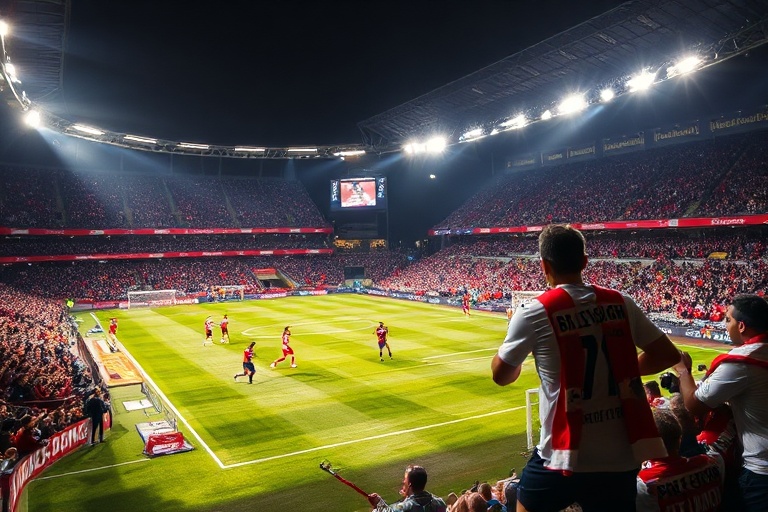
Football in Germany’s Bundesliga is often seen as a microcosm of broader societal debates, where commercial interests collide with tradition. The matchup between RB Leipzig and FC St. Pauli is one such encounter, pitting a club built on financial power against a team rooted in working-class identity. This fixture transcends mere competition; it represents a clash between two opposing visions of what football should represent.
The Red Bull-backed Leipzig, founded in 2009, was designed as a project from the ground up, leveraging financial muscle to accelerate its rise through the divisions. St. Pauli, meanwhile, has spent over a century cultivating a reputation as a club of the people, with deep ties to Hamburg’s countercultural scene. When these two sides meet, the result is more than just a football match—it’s a collision of ideologies.
Historical Context: Two Clubs, Two Identities
RB Leipzig’s origins are unlike any other major German club. Established in 2009 by Red Bull GmbH, the club was created to serve as a global showcase for the energy drink company’s football ambitions. The “RB” in its name stands for “RasenBallsport,” a deliberate attempt to avoid the commercial connotations of “Red Bull.” Yet, despite this linguistic sleight of hand, Leipzig’s identity is undeniably tied to corporate influence.
St. Pauli, by contrast, was founded in 1910 in the working-class district of Hamburg-St. Pauli, a neighborhood known for its port, red-light district, and vibrant countercultural movements. The club’s fanbase is legendary for its activism, with supporters openly opposing racism, sexism, and homophobia. St. Pauli’s stadium, the Millerntor-Stadion, is adorned with anarchist symbols and anti-fascist murals, making it a beacon for progressive football fans worldwide.
The ideological divide between the two clubs is stark. Leipzig’s rise from the fifth tier to the Bundesliga in just seven years was made possible by Red Bull’s financial backing, which allowed the club to bypass traditional promotion pathways. St. Pauli, meanwhile, has relied on community-driven growth, with fans owning a significant stake in the club and maintaining strict financial prudence.
The Tactical Battle: Pragmatism vs. Passion
When RB Leipzig and St. Pauli face off, the tactical battle is as much about philosophy as it is about formation. Leipzig, under managers like Julian Nagelsmann and now Marco Rose, has become synonymous with high-pressing, possession-based football. The club’s style is meticulously engineered, with a focus on quick transitions and exploiting spaces left by opposition presses.
St. Pauli, on the other hand, often plays with a more direct, counterattacking approach, prioritizing physicality and set-piece threats. The club’s tactical identity is less about intricate systems and more about resilience and collective effort. This difference in approach reflects the broader gap between Leipzig’s corporate-backed professionalism and St. Pauli’s grassroots ethos.
In recent seasons, St. Pauli has shown signs of tactical evolution, particularly under manager Fabian Hürzeler, who has implemented a more structured pressing system. However, the club’s DNA remains rooted in its working-class identity. Leipzig, meanwhile, continues to refine its model, balancing its commitment to attractive football with the demands of European competition.
Fan Culture and Global Influence
The fan culture surrounding these two clubs offers a fascinating study in contrasts. RB Leipzig’s fanbase is a mix of traditional football supporters and new, often international, fans drawn to the club’s on-pitch success. The Red Bull branding, while divisive among purists, has undeniably globalized Leipzig’s appeal, particularly in markets where Red Bull has a strong presence.
St. Pauli’s fan culture, however, is a force of its own. The club’s supporters are known for their activism, with fan groups organizing campaigns against racism, sexism, and commercialization in football. St. Pauli’s global fanbase is largely made up of supporters who align with the club’s left-wing, anti-establishment values. This has led to a network of fan clubs in countries like the UK, USA, and Australia, where supporters emulate the Millerntor-Stadion’s atmosphere.
The contrast between the two fanbases highlights a broader trend in modern football. Leipzig’s rise has been fueled by corporate investment and global marketing, while St. Pauli’s growth has been driven by grassroots passion and ideological commitment. This clash extends beyond the pitch, influencing everything from merchandise sales to social media engagement.
Key Takeaways from the RB Leipzig vs. St. Pauli Rivalry
- Corporate vs. Community: Leipzig represents the commercialization of football, while St. Pauli embodies its grassroots spirit.
- Tactical Contrasts: Leipzig’s high-pressing, possession-based style clashes with St. Pauli’s direct, counterattacking approach.
- Fan Culture Divide: Leipzig’s fanbase is global but often criticized for its corporate ties, whereas St. Pauli’s supporters are known for their activism and anti-establishment values.
- Historical Context: Leipzig’s rapid rise contrasts sharply with St. Pauli’s century-long journey, reflecting two distinct paths to success.
Broader Implications: What This Rivalry Tells Us About Modern Football
The RB Leipzig vs. St. Pauli rivalry is more than just a football match; it encapsulates the tensions that define modern football. On one side, there’s the relentless march of commercialization, where success is measured in trophies, revenue, and global reach. On the other, there’s the enduring power of tradition, where clubs like St. Pauli serve as reminders of football’s roots in community and activism.
This rivalry also raises important questions about the future of the sport. Can football remain true to its working-class origins while embracing the financial realities of modern competition? St. Pauli’s model suggests that it can, but only if clubs prioritize fan ownership and ideological integrity. Leipzig’s model, meanwhile, offers a blueprint for rapid success, but at what cost to the soul of the game?
For fans, this clash is a reminder of football’s dual nature. It’s a sport that can be both a vehicle for corporate ambition and a platform for social change. The RB Leipzig vs. St. Pauli rivalry forces supporters to confront these contradictions, making every match a microcosm of football’s broader identity crisis.
Conclusion: More Than Just a Game
The next time RB Leipzig and FC St. Pauli meet, it won’t just be another fixture in the Bundesliga calendar. It will be a reaffirmation of football’s capacity to reflect and challenge societal norms. Leipzig’s corporate-backed ambition will collide with St. Pauli’s community-driven ethos, and the result will be a match that transcends sport.
For those who believe football should be more than just a business, St. Pauli offers a beacon of hope. For those who see the sport’s future in global expansion and financial growth, Leipzig represents the inevitable direction of travel. Whatever the outcome on the pitch, the real winner is the debate that this rivalry ignites—one that asks fundamental questions about what football is, and what it should become.