Wielka Brytania, the Polish name for Great Britain, represents more than just a geographic entity. It embodies centuries of political evolution, cultural innovation, and global influence that continue to shape modern society. From its medieval roots to its role in the contemporary world, this island nation has consistently demonstrated resilience and adaptability. Understanding Wielka Brytania requires examining its historical foundations, cultural contributions, and the broader implications of its global engagements.
The Historical Foundations of Wielka Brytania
The story of Wielka Brytania begins long before the term itself came into use. The region now known as Great Britain has been inhabited for tens of thousands of years, with evidence of human settlement dating back to the Paleolithic era. However, its emergence as a unified political entity occurred gradually through a series of conquests and alliances.
The Roman invasion in 43 AD marked a turning point, introducing infrastructure, governance, and cultural exchanges that would leave a lasting imprint. After the fall of Rome, Germanic tribes—the Angles, Saxons, and Jutes—migrated to the region, giving rise to the early English kingdoms. The Norman Conquest of 1066, led by William the Conqueror, further transformed the political and cultural landscape, establishing a feudal system that would endure for centuries.
By the Middle Ages, Wielka Brytania had become a patchwork of kingdoms, with England emerging as the dominant force. The Hundred Years’ War (1337-1453) and the Wars of the Roses (1455-1487) were pivotal in consolidating power and establishing a centralized monarchy. The Tudor period, particularly under Henry VIII and Elizabeth I, saw the nation’s transformation into a major European power, marked by religious reforms, naval expansion, and cultural flourishing.
Key Historical Milestones in Wielka Brytania
- 1066: Norman Conquest under William the Conqueror establishes feudalism.
- 1215: Magna Carta limits royal power and lays foundations for constitutional law.
- 1588: Defeat of the Spanish Armada secures naval dominance.
- 1688: Glorious Revolution establishes parliamentary sovereignty.
- 18th-19th Centuries: Industrial Revolution transforms global economics and society.
The Cultural Tapestry of Wielka Brytania
Wielka Brytania’s cultural influence extends far beyond its shores, with contributions that have shaped global art, literature, music, and philosophy. The English language, now the world’s most widely spoken, serves as a testament to the nation’s historical reach. Shakespeare, Dickens, and Austen are just a few literary giants whose works continue to resonate worldwide.
The visual arts have also flourished, from the Renaissance masterpieces of Hans Holbein to the modernist innovations of Henry Moore and Francis Bacon. Music has been equally transformative, with genres ranging from classical compositions by Handel and Vaughan Williams to the revolutionary sounds of The Beatles and Pink Floyd. The British film industry, led by institutions like the National Film Theatre and the British Film Institute, has produced some of the most iconic cinematic works in history.
Beyond the arts, Wielka Brytania’s cultural identity is deeply intertwined with its social institutions. The monarchy, though largely ceremonial today, remains a symbol of continuity and national pride. The BBC, founded in 1922, has become a global model for public broadcasting, while institutions like the British Museum and the Tate galleries preserve and promote cultural heritage.
Wielka Brytania’s Role in Global Politics and Economics
The influence of Wielka Brytania on the global stage cannot be overstated. As the heart of the British Empire, it once governed a quarter of the world’s population and territory, leaving an indelible mark on language, law, and governance systems across continents. Even after decolonization, the nation retained significant soft power through its cultural exports, diplomatic networks, and membership in international organizations like the United Nations and NATO.
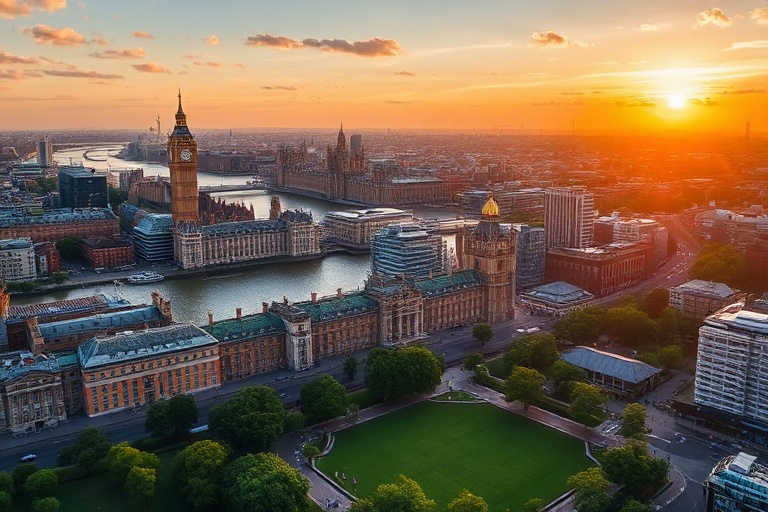
Economically, Wielka Brytania has been a pioneer in industrialization and financial innovation. The Industrial Revolution, which began in the late 18th century, transformed not only the nation but the entire world, introducing mechanized production, urbanization, and new economic paradigms. Today, London remains one of the world’s leading financial hubs, home to the London Stock Exchange and the Bank of England.
However, Wielka Brytania’s global role has also been marked by challenges. The decline of the Empire, the economic struggles of the mid-20th century, and the complexities of Brexit have all tested the nation’s resilience. Yet, through these challenges, Wielka Brytania has demonstrated an ability to adapt and reinvent itself, maintaining its influence on the world stage.
Wielka Brytania’s Global Contributions
- Language: English as a global lingua franca, spoken by over 1.5 billion people.
- Science: Pioneering contributions in physics (Newton, Hawking), biology (Darwin), and medicine (Fleming).
- Law: Common law system adopted by numerous countries, including the United States and Canada.
- Diplomacy: Active role in international organizations, from the League of Nations to the UN.
- Innovation: Birthplace of the Industrial Revolution and modern financial systems.
The Future of Wielka Brytania in a Changing World
As Wielka Brytania navigates the complexities of the 21st century, it faces both opportunities and challenges. The nation’s departure from the European Union, commonly known as Brexit, has reshaped its political and economic relationships with the continent and beyond. While the long-term effects of Brexit remain uncertain, it has already prompted a reevaluation of Wielka Brytania’s global strategy and domestic policies.
Climate change presents another critical challenge. Wielka Brytania has committed to achieving net-zero carbon emissions by 2050, positioning itself as a leader in environmental sustainability. The nation’s investments in renewable energy, green technologies, and conservation efforts reflect a broader commitment to addressing global challenges.
Culturally, Wielka Brytania continues to evolve, with a growing emphasis on diversity and inclusion. The nation’s cities, particularly London, Manchester, and Birmingham, are vibrant multicultural hubs, reflecting the contributions of immigrant communities from across the globe. This cultural diversity enriches Wielka Brytania’s social fabric and enhances its global appeal.
Looking ahead, Wielka Brytania’s ability to adapt to these changes will determine its continued influence on the world stage. Whether through technological innovation, diplomatic leadership, or cultural exports, the nation remains a dynamic force in shaping the future.
Opportunities and Challenges for Wielka Brytania
- Economic Resilience: Navigating post-Brexit trade relationships and fostering innovation.
- Environmental Leadership: Transitioning to renewable energy and sustainable practices.
- Social Cohesion: Addressing inequality and promoting inclusivity in a diverse society.
- Global Influence: Maintaining diplomatic and cultural relevance in an increasingly multipolar world.
Wielka Brytania stands as a testament to the enduring power of history, culture, and innovation. From its medieval origins to its modern-day challenges, the nation has consistently demonstrated an ability to evolve and thrive. As it faces the complexities of the 21st century, Wielka Brytania remains a vital player on the global stage, shaping the future in ways both seen and unseen.
For those interested in exploring the cultural and historical depth of Wielka Brytania, Dave’s Locker Culture section offers a wealth of articles and resources. Additionally, Dave’s Locker Travel section provides insights into the nation’s most iconic destinations, from the historic streets of London to the rugged landscapes of Scotland.