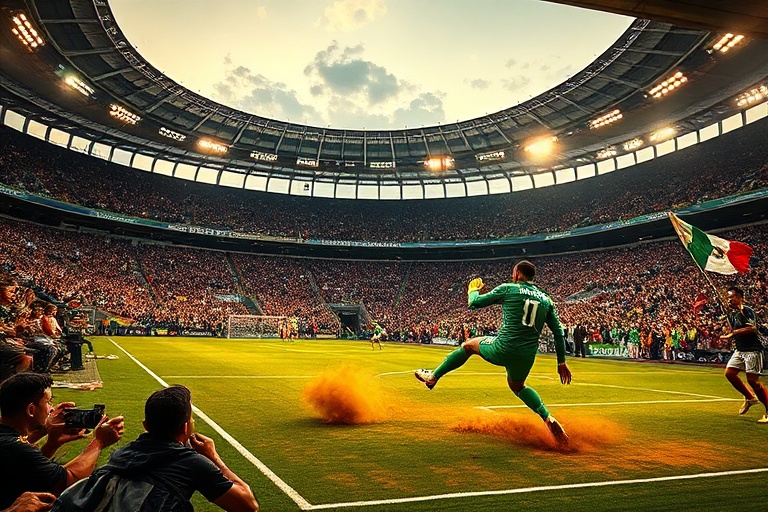
Real Sociedad vs Real Betis: Tactical Battle and LaLiga Trends
Real Sociedad vs. Real Betis: A Clash of Styles and Ambitions
Spanish football often thrives on contrasts, and the rivalry between Real Sociedad and Real Betis is a perfect example. These two clubs, while not sharing the same historical prestige as Real Madrid or Barcelona, bring distinct identities to LaLiga. Sociedad, rooted in the Basque Country, represents technical precision and youth development, while Betis embodies passion, resilience, and a deep connection to its Andalusian fanbase.
When these teams meet, the result is rarely predictable. Their recent encounters have featured tactical battles, dramatic moments, and performances that highlight the evolving nature of Spanish football. Beyond the scoreboard, these matches offer a glimpse into broader trends—such as the growing influence of data analytics, the importance of squad depth, and the challenges of balancing ambition with financial sustainability.
The latest fixture between Sociedad and Betis was no exception. A tightly contested 90 minutes saw both teams showcase their strengths while exposing their weaknesses. For Sociedad, their ability to control possession and dictate tempo was evident, yet they struggled to convert that dominance into clear-cut chances. Betis, on the other hand, relied on quick transitions and defensive solidity, nearly punishing Sociedad’s lack of clinical finishing with a late equalizer.
The Tactical Battle: Possession vs. Directness
Sociedad’s approach under manager Imanol Alguacil has become synonymous with a possession-based, high-pressing system. The team prioritizes building from the back, using short passing to bypass midfield pressure. Their midfield trio of Martin Zubimendi, Mikel Merino, and Brais Méndez often controls the rhythm, allowing Sociedad to dictate play. Defensively, they press aggressively in the attacking third, forcing turnovers and creating opportunities.
Real Betis, under Manuel Pellegrini, takes a different path. While they can adapt to possession football, their preferred style leans toward directness and verticality. Betis relies on quick transitions, exploiting spaces behind defensive lines with the pace of players like Nabil Fekir and Luiz Henrique. Their midfield, featuring veteran Sergio Canales and youngster Guido Rodríguez, balances creativity with defensive work rate. Defensively, Betis often sits in a mid-block, absorbing pressure before launching counterattacks.
This tactical contrast makes their matches fascinating to analyze. Sociedad’s dominance in possession often leads to high pressing intensity from Betis, which can disrupt their rhythm. Conversely, Betis’ direct approach forces Sociedad to defend in transitions, a rare occurrence for a team that usually controls games. The outcome often hinges on which team can impose its style effectively.
In their most recent meeting, Sociedad had 62% possession but managed just four shots on target. Betis, with 38% possession, created three clear chances, including a late equalizer. This statistic underscores a key trend: possession alone does not guarantee success. Efficiency and clinical finishing remain critical, especially against well-organized defensive blocks.
Key Takeaways from the Latest Encounter
The match between Real Sociedad and Real Betis offered several insights into both teams’ current form and broader LaLiga dynamics. Below are the most notable takeaways:
- Possession ≠ Goals: Sociedad’s control of the ball didn’t translate into scoring opportunities, highlighting the need for improved final-third execution.
- Defensive Solidity Wins Games: Betis’ disciplined backline and midfield limited Sociedad’s chances, proving that organization can neutralize possession-heavy teams.
- Transition Defense is Crucial: Sociedad’s high press left them vulnerable on the break, a weakness Betis exploited with quick counters.
- Squad Depth Matters: Both teams used multiple substitutions to maintain intensity, showcasing the importance of a deep bench in modern football.
- Managerial Impact: Alguacil’s tactical flexibility and Pellegrini’s experience played pivotal roles in shaping the match’s outcome.
Broader Implications for LaLiga and Beyond
The Sociedad-Betis rivalry is more than just a local derby—it reflects broader shifts in Spanish football. LaLiga has historically been dominated by the traditional “Big Three” (Real Madrid, Barcelona, Atlético Madrid), but the gap is narrowing. Teams like Sociedad and Betis are proving that smart recruitment, tactical innovation, and strong youth academies can challenge the establishment.
For Sociedad, their consistent top-half finishes and European football campaigns demonstrate the effectiveness of their long-term project. The club’s focus on developing young talent—such as Takefusa Kubo and Alexander Sørloth—has paid dividends, both on the pitch and financially. Their ability to sell players for significant fees while maintaining competitiveness is a model other mid-sized clubs aspire to.
Real Betis, meanwhile, represents the power of fan culture and community in football. Despite financial constraints, the club’s loyal supporters fill the Estadio Benito Villamarín week after week, creating an intimidating atmosphere. Betis’ recent resurgence under Pellegrini has rejuvenated their fanbase, proving that passion can be a driving force in modern football.
Both clubs also highlight the growing influence of foreign investment and data analytics in LaLiga. Sociedad’s ownership structure, which includes a significant stake by US-based firm(s), has allowed for strategic signings aligned with their playing philosophy. Betis, while more traditionally owned, has embraced analytics to identify undervalued players and optimize squad performance.
These trends suggest that LaLiga’s competitive landscape is becoming more diverse. While the Big Three will likely remain at the top, clubs like Sociedad and Betis are closing the gap, making the league more unpredictable and exciting. For fans, this means more competitive matches and fewer predictable outcomes. For other clubs, it serves as a blueprint for sustainable success outside the traditional power structures.
What’s Next for Both Teams?
As the season progresses, both Real Sociedad and Real Betis will look to build on their recent form. For Sociedad, the challenge will be converting their possession dominance into more goals. Improving their attacking third—whether through new signings or tactical adjustments—will be key to securing a top-four finish and potential Champions League football.
Real Betis, on the other hand, will aim to maintain their upward trajectory. Pellegrini’s side has shown they can compete with the best, but consistency will be crucial. Avoiding injuries to key players and managing their squad depth will determine whether they can challenge for a European spot or face a drop in form.
Regardless of the outcomes, the Sociedad-Betis rivalry will continue to deliver compelling football. Their matches are a microcosm of LaLiga’s evolution—where tradition meets innovation, and where every game can shift the narrative of the league.
For fans of Spanish football, these fixtures are a reminder that the beautiful game is about more than just trophies. It’s about identity, passion, and the relentless pursuit of excellence. And in a league where the unexpected is the norm, Real Sociedad and Real Betis are two clubs that embody that spirit perfectly.
To stay updated on the latest LaLiga news and analysis, visit our Sports and Analysis sections for in-depth coverage.