McIlroy’s recent remarks about LIV Golf have reignited conversations about player loyalty, the future of the sport, and the impact of Saudi-backed golf.
What Rory McIlroy Said—and Why It Matters
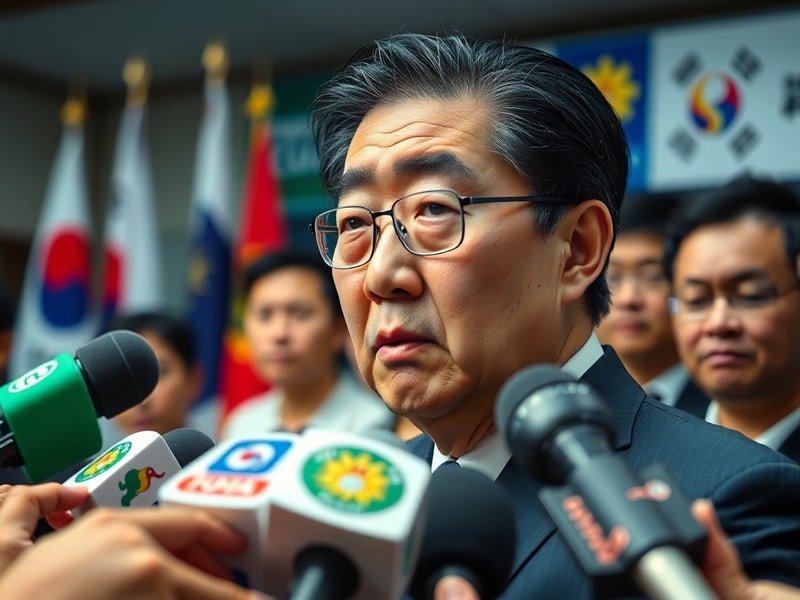
Rory McIlroy, one of golf’s most prominent voices, recently delivered pointed criticism of LIV Golf during a press conference at the Wells Fargo Championship. His comments focused on the league’s business model, player recruitment strategies, and its long-term viability. “There’s no way LIV Golf survives long-term if it continues to operate the way it is,” McIlroy stated, adding that the league’s financial backing does not guarantee sustainability.
McIlroy’s remarks came amid growing speculation about the future of golf’s fractured landscape. The PGA Tour and DP World Tour have long dominated the sport, but LIV Golf’s aggressive player signings—including stars like Jon Rahm and Brooks Koepka—have forced a reckoning. McIlroy, a vocal advocate for the PGA Tour, framed his comments as a defense of tradition rather than an attack on individual players. “I’m not criticizing the players who joined LIV,” he clarified. “I’m questioning the structure that allows this to happen.”
His perspective carries weight. As one of the few top-tier players who has remained loyal to the PGA Tour, McIlroy’s stance influences both fans and fellow athletes. The question now is whether his words will shift perceptions—or if LIV Golf’s momentum will continue unchecked.
The Broader Implications for Golf’s Future
The divide between the PGA Tour and LIV Golf has created an unprecedented schism in professional golf. While the PGA Tour boasts a century of history, LIV Golf’s financial backing from Saudi Arabia’s Public Investment Fund (PIF) has allowed it to poach talent with lucrative contracts. This has led to debates about the sport’s integrity, commercial viability, and ethical concerns tied to Saudi Arabia’s human rights record.
McIlroy’s comments highlight three critical areas of tension:
- Economic Disruption: LIV Golf’s high-profile signings have driven up player salaries across the board, pressuring the PGA Tour to reconsider its own compensation models.
- Fan Engagement: The league’s shorter, faster-paced tournaments have attracted younger audiences, threatening to dilute the PGA Tour’s traditional appeal.
- Regulatory Uncertainty: Golf’s governing bodies have struggled to respond cohesively, leaving players and fans in limbo about which tours will shape the sport’s future.
Analysts suggest that McIlroy’s intervention could signal a turning point. His influence extends beyond the fairways; as a four-time major champion and former world No. 1, his opinions carry significant weight with sponsors, media, and fellow players. If more top-tier athletes align with his perspective, the PGA Tour could regain some lost ground. Conversely, if LIV Golf continues to secure marquee names, the PGA Tour may face a prolonged identity crisis.
Reactions from Players, Fans, and Analysts
The golf community’s response to McIlroy’s comments has been mixed. Some players, like Jordan Spieth, have echoed his concerns about the sport’s fragmentation. “We need unity,” Spieth told reporters after a recent tournament. “The current divide isn’t healthy for anyone.” Others, however, defend LIV Golf’s right to compete. Bryson DeChambeau, a prominent LIV Golf signee, argued that the league offers “a fresh approach” that benefits players and fans alike.
Fans have also weighed in, with social media amplifying both support and criticism. Supporters of the PGA Tour praise McIlroy for defending the sport’s heritage, while LIV Golf enthusiasts argue that his comments reflect a resistance to necessary change. The debate has spilled into broader discussions about sportswashing—the practice of using athletic platforms to improve public perception—and whether golf’s governing bodies should intervene more aggressively.
Media coverage has mirrored this divide. Golf Digest and ESPN have dedicated columns to analyzing McIlroy’s remarks, while outlets like Golf Channel have hosted panels to dissect the sport’s future. The conversation shows no signs of slowing, particularly as LIV Golf prepares for its next major event.
What’s Next for Golf’s Divided Landscape
McIlroy’s comments have added fuel to an already volatile situation. The PGA Tour has taken steps to consolidate its position, including exploring a potential merger with the European Tour and other global circuits. Meanwhile, LIV Golf continues to expand, with rumors of new broadcast deals and additional player signings circulating regularly.
For now, the sport remains at a crossroads. The PGA Tour’s traditionalists argue for preserving the integrity of the game, while LIV Golf’s advocates champion innovation and financial opportunity. McIlroy’s latest intervention suggests that the battle for golf’s soul is far from over. Whether his words will inspire action—or merely add to the noise—remains to be seen.
One thing is certain: the players, fans, and stakeholders who care about golf’s future will be watching closely. The next few months could redefine the sport in ways that echo for decades.
For more on golf’s evolving landscape, explore our News and Analysis sections on Dave’s Locker.