strait of hormuz
The Strait of Hormuz: A Global Chokepoint Shaping Energy and Geopolitics
The Strait of Hormuz is more than a narrow waterway between the Persian Gulf and the Gulf of Oman—it is one of the world’s most strategically vital maritime passages. Roughly 21 miles wide at its narrowest point, the strait serves as a critical artery for global oil and gas shipments. Nearly one-third of the world’s seaborne crude oil passes through these waters annually, making its security a priority for energy markets and international policymakers alike.
This narrow corridor is not just an economic lifeline but also a flashpoint for geopolitical tension. The strait connects oil-rich Gulf states such as Saudi Arabia, Iran, Iraq, and the United Arab Emirates to global consumers. Any disruption—whether due to conflict, environmental hazards, or deliberate obstruction—can send shockwaves through energy prices and supply chains worldwide. Understanding its role requires examining both its geographical significance and the complex web of regional and international interests that converge here.
The Geography and Strategic Importance of the Strait
The Strait of Hormuz is bordered by Iran to the north and Oman to the south. Its waters are divided into two shipping lanes, each just two miles wide, with a two-mile buffer zone separating them to reduce collision risks. Despite its modest size, the strait handles an estimated 20-30 million barrels of oil per day, equivalent to about 20% of global petroleum consumption.
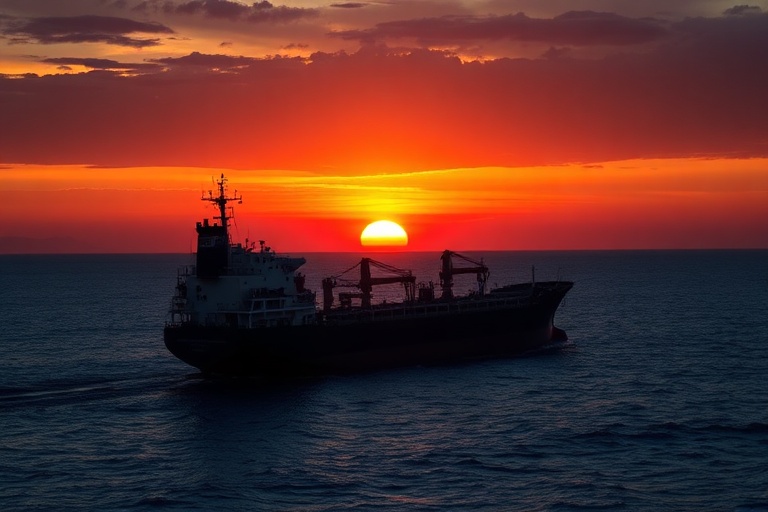
Beyond oil, the strait is a crucial transit route for liquefied natural gas (LNG), container ships, and commercial vessels. Its depth allows even the largest oil tankers to pass, but the confined space makes navigation vulnerable to accidents, piracy, or intentional blockades. The region’s shallow waters and frequent sandstorms add further operational challenges, requiring constant monitoring by regional navies and international coalitions.
Historically, control over the strait has been a point of contention. The 1980s Iran-Iraq War saw multiple attacks on shipping in the area, illustrating how quickly maritime security can deteriorate. More recently, tensions between Iran and Western powers have intensified, with incidents such as the 2019 drone strikes on Saudi oil facilities and the 2021 seizure of a South Korean tanker by Iranian forces underscoring the strait’s volatility.
Geopolitical Tensions and the Role of Regional Powers
The Strait of Hormuz exists in a region where historical rivalries, sectarian divisions, and competing national ambitions collide. Iran, which dominates the northern shore, views the strait as part of its sovereign territory and has repeatedly threatened to close it in response to sanctions or perceived aggression. The U.S. and its allies, including Saudi Arabia and the UAE, maintain a strong naval presence in the region to ensure freedom of navigation and deter Iranian aggression.
These tensions are rooted in broader conflicts. Iran’s nuclear program, its support for proxy groups across the Middle East, and its ballistic missile development have drawn international condemnation and sanctions. The U.S. withdrawal from the 2015 nuclear deal in 2018 further strained relations, leading to increased military posturing and cyber warfare between the two nations.
Meanwhile, Gulf Cooperation Council (GCC) states rely heavily on stable oil exports. Saudi Arabia, the world’s largest oil exporter, has invested in alternative export routes, such as the East-West Pipeline, to bypass the strait in case of disruption. However, such alternatives are limited and costly, reinforcing the strait’s centrality to global energy security.
Other regional players, including China and Russia, have also sought to expand their influence in the Gulf. China, the world’s largest oil importer, has deepened economic ties with Iran and secured long-term oil supply agreements. Russia, through its military presence in Syria and energy deals with Gulf states, maintains a balancing act, ensuring it is not sidelined in a region critical to global energy flows.
International Responses and the Future of Maritime Security
Global powers have responded to the strait’s volatility with a mix of military deterrence, diplomatic engagement, and technological innovation. The U.S. has maintained a dedicated naval task force—the U.S. Fifth Fleet—based in Bahrain, tasked with patrolling the strait and responding to threats. Other nations, including the UK, France, and Australia, have contributed ships or participated in multilateral naval exercises to enhance regional stability.
In 2020, the International Maritime Security Construct (IMSC), a coalition of nations including the U.S., UK, Australia, and Bahrain, was established to protect commercial shipping in the Gulf. This initiative reflects a recognition that no single country can guarantee the strait’s security alone. However, the presence of foreign navies is itself a source of controversy, with Iran accusing these forces of undermining regional sovereignty.
Technological advancements are also playing a role in mitigating risks. Satellite monitoring, drone surveillance, and AI-driven threat detection systems are being deployed to improve situational awareness. The use of autonomous vessels and blockchain for supply chain transparency are further innovations aimed at reducing human error and increasing resilience in the strait.
Yet, despite these efforts, the long-term stability of the Strait of Hormuz remains uncertain. Diplomatic initiatives, such as the 2022 nuclear talks in Vienna, offer temporary reprieves but do little to address the underlying conflicts. Meanwhile, climate change and the global shift toward renewable energy may reduce dependence on Gulf oil over time, but for now, the strait remains indispensable.
The Human and Economic Costs of Disruption
The consequences of a prolonged closure or significant disruption in the Strait of Hormuz would be severe. Oil prices could skyrocket, triggering inflation and economic slowdowns in energy-importing countries. Developing nations, particularly in Asia, would face acute shortages, while Western economies could see energy rationing and industrial slowdowns.
A 2019 report by the U.S. Energy Information Administration estimated that a one-day closure of the strait could remove 18.5 million barrels of oil from global markets—equivalent to nearly 20% of daily global oil consumption. The resulting price spike could push gasoline prices above $4 per gallon in the U.S. and cause widespread economic instability in import-dependent nations.
Beyond oil, the strait’s disruption would ripple through supply chains for electronics, automobiles, and consumer goods. Many of the world’s largest ports, from Shanghai to Rotterdam, rely on Gulf oil and LNG to fuel their operations. A prolonged crisis could trigger a global energy crisis reminiscent of the 1970s oil shocks.
For the Gulf states themselves, a closure would be catastrophic. Their economies are deeply tied to oil revenues, and many have limited fiscal buffers. Saudi Arabia’s Vision 2030 plan, aimed at diversifying the economy, is still in its early stages. A prolonged disruption could derail these efforts and destabilize governments in the region.
On the human level, the strait’s instability affects millions of livelihoods. Fishermen, port workers, and sailors face constant risks from piracy, accidents, or military encounters. Communities along the Gulf coasts, from Dubai to Muscat, depend on the strait for trade and tourism. The psychological toll of living in a region perpetually on the brink of conflict cannot be overstated.
Conclusion: Navigating an Uncertain Future
The Strait of Hormuz remains a paradox—a vital lifeline for the global economy and a perpetual powder keg of geopolitical tension. Its future will be shaped by the interplay of energy demand, regional alliances, and technological innovation. While alternatives to Gulf oil are slowly emerging, none can fully replace the strait’s capacity or strategic importance in the near term.
For policymakers, the challenge is twofold: ensuring the strait remains open while addressing the root causes of conflict in the region. Diplomacy must take precedence over military posturing, and economic diversification must be prioritized to reduce the Gulf’s dependence on oil revenues. For the international community, the strait serves as a reminder of the fragile interdependence of global trade and the high stakes of regional stability.
As the world transitions toward cleaner energy, the Strait of Hormuz may one day lose its centrality. But for now, and for the foreseeable future, it remains a defining feature of the global energy landscape—and a reminder of how geography, politics, and economics intersect in the most unpredictable ways.
To explore more on global trade routes and their geopolitical implications, visit our News section. For insights into energy markets and their regional dynamics, check our Finance category.