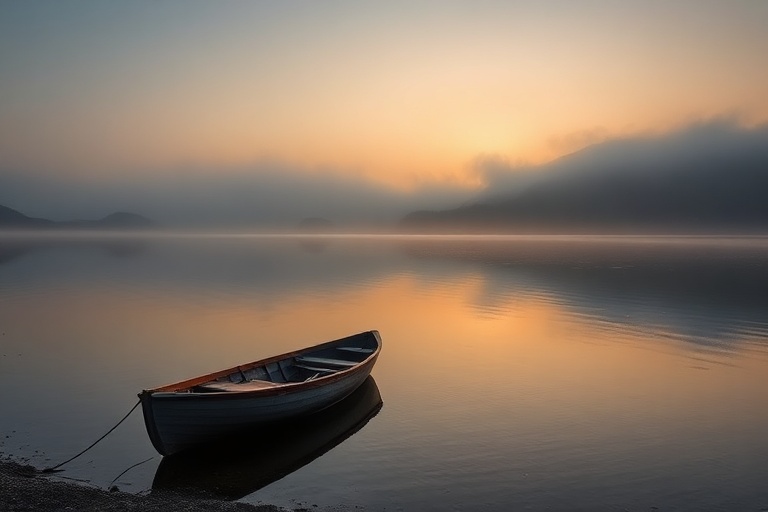
The Lake District: England’s UNESCO Landscape of Natural Beauty
The Lake District in northwest England stands as one of the world’s most celebrated landscapes. Its glacial valleys, shimmering waters, and rolling hills have inspired poets, artists, and travelers for centuries. More than just a scenic retreat, this region reflects centuries of human connection with nature, shaping literature, art, and even outdoor recreation worldwide.
Designated a UNESCO World Heritage Site in 2017, the Lake District draws over 18 million visitors annually. Its cultural significance extends beyond borders, influencing global perceptions of wilderness and tranquility. From the romantic poetry of William Wordsworth to the modern adventures of outdoor enthusiasts, the Lake District remains a living testament to the enduring power of nature.
A Landscape Forged by Ice and Time
Geologically, the Lake District is a masterpiece of natural history. Carved by glaciers during the last Ice Age, its rugged fells and deep lakes tell a story millions of years in the making. The region’s highest peak, Scafell Pike at 978 meters, offers panoramic views that have drawn hikers and climbers from across Europe.
Its 16 major lakes—including Windermere, the largest in England—are fed by ancient rivers and glacial melt. These bodies of water are not merely scenic backdrops; they are vital ecosystems supporting diverse wildlife, from rare fish species to nesting birds. The interplay of water, rock, and sky creates a dynamic environment that changes with the seasons, offering fresh beauty with every visit.
This geological heritage has also shaped human settlement. Early Celtic tribes and Roman invaders recognized the land’s strategic value, while medieval monastic communities harnessed its resources. Today, the Lake District balances conservation with accessibility, ensuring its natural wonders endure for future generations.
Literature, Art, and the Birth of the Romantic Movement
The Lake District’s cultural legacy is inseparable from its literary contributions. In the late 18th and early 19th centuries, it became the epicenter of the Romantic Movement. Poets like William Wordsworth, Samuel Taylor Coleridge, and Robert Southey found inspiration in its landscapes, penning works that redefined humanity’s relationship with nature.
Wordsworth’s Daffodils, inspired by a walk near Ullswater, remains one of the most quoted poems in English literature. Coleridge’s The Rime of the Ancient Mariner echoes the eerie beauty of the region’s moors and lakes. These writers elevated the Lake District from a rural backwater to a symbol of emotional and spiritual freedom.
The region’s artistic influence extended beyond poetry. Painters of the Lake School captured its dramatic skies and serene waters, contributing to the rise of landscape painting as an esteemed art form. Today, galleries like the Abbot Hall Art Gallery in Kendal continue to showcase works influenced by the Lake District’s timeless vistas.
Key Literary Figures of the Lake District
- William Wordsworth (1770–1850): Poet Laureate and advocate for nature’s spiritual power.
- Beatrix Potter (1866–1943): Author and illustrator whose tales were inspired by the region’s flora and fauna.
- John Ruskin (1819–1900): Art critic and conservationist who championed the Lake District’s preservation.
Outdoor Recreation: From Local Traditions to Global Trends
The Lake District has long been a playground for outdoor enthusiasts. Its network of trails, including the 112-mile Coast to Coast Walk, attracts hikers from around the world. In winter, the fells transform into a haven for ice climbers and snow walkers, while summer brings cyclists, kayakers, and paragliders to its open skies.
This culture of outdoor activity has influenced global trends in adventure travel and eco-tourism. The Lake District’s emphasis on sustainable tourism—such as the Leave No Trace principles promoted by local guides—has become a model for protected landscapes worldwide. National parks in the United States, New Zealand, and Scandinavia have drawn inspiration from its management strategies.
Moreover, the region’s hiking culture has birthed countless outdoor brands and events. The annual Lake District Mountain Festival celebrates everything from fell running to wildlife photography, drawing international participants. This fusion of tradition and innovation ensures the Lake District remains relevant in an era of digital exploration.
Challenges and the Future of a Global Treasure
Despite its UNESCO status, the Lake District faces modern challenges. Rising visitor numbers have led to concerns about over-tourism, erosion, and habitat disruption. Local authorities have implemented measures like timed entry reservations and expanded public transport to mitigate these issues, but balancing access with conservation remains an ongoing debate.
Climate change poses another threat. Warmer temperatures and shifting rainfall patterns are altering the region’s ecosystems, from declining fish populations in its lakes to the spread of invasive plant species. Conservationists are working to restore native habitats and reduce carbon footprints through initiatives like rewilding and renewable energy projects.
Yet, the Lake District’s ability to adapt is part of its enduring appeal. New generations of artists, writers, and adventurers continue to find inspiration within its valleys. Its story—a blend of natural grandeur, cultural richness, and human resilience—ensures it will remain a global symbol of what landscapes can teach us about beauty, history, and sustainability.
Conclusion: A Landscape That Connects Us All
The Lake District is more than a collection of lakes and mountains. It is a living archive of human experience, a classroom for ecological understanding, and a sanctuary for the soul. Its influence stretches from the pages of classic literature to the itineraries of modern travelers, proving that some places are not just destinations—they are essential.
As the world grows more urbanized and digital, the Lake District reminds us of the value of unspoiled landscapes. It challenges us to slow down, observe, and reconnect with the natural world. In an era of rapid change, its enduring beauty offers a quiet but powerful resistance—a call to preserve, protect, and cherish the places that shape our humanity.