Thermos: The Unassuming Invention That Revolutionized Daily Life
In 1892, a Scottish chemist named Sir James Dewar made an accidental discovery that would quietly revolutionize daily routines. While working on cryogenics, he designed a vacuum flask to keep liquids at extreme temperatures. This unassuming container, initially meant for laboratories, soon became a household staple under the name “Thermos.” Over a century later, the brand remains synonymous with insulation, durability, and convenience.
The journey from lab equipment to kitchen essential reveals how necessity and innovation intersect. Unlike many inventions that fade into obscurity, the Thermos endured because it solved a universal problem: maintaining temperature. Its impact extends beyond picnics and office lunches, influencing outdoor recreation, emergency preparedness, and even global food distribution. To understand its legacy, we must examine its origins, evolution, and the broader cultural significance of keeping things hot—or cold—for hours.
The Science Behind the Magic: How Thermoses Work
A Thermos relies on three key principles: vacuum insulation, reflective surfaces, and a tight seal. The vacuum layer between the inner and outer walls prevents heat transfer through conduction and convection. Meanwhile, a mirrored interior reflects radiant heat back toward its source. When combined with a snug lid, these features can keep coffee steaming for up to 12 hours or ice cream frozen for days.
This technology isn’t just for drinks. Modern Thermoses now accommodate soups, yogurt, and even baby formula. Some models feature interchangeable lids for different uses, while high-end versions use stainless steel to resist dents and rust. The brand’s commitment to thermal efficiency has led to partnerships with outdoor gear companies, proving that the same science behind a travel mug powers astronauts’ food storage in space.
A Timeline of Innovation
The Thermos story begins with Dewar’s flask, patented in 1892. By 1904, a German glassblower named Reinhold Burger commercialized the design, coining the term “Thermos” from the Greek word for “heat.” The brand’s popularity soared during World War II, when soldiers relied on it to carry hot meals to the front lines. Post-war, Thermos expanded into picnic culture, becoming a symbol of American suburban life.
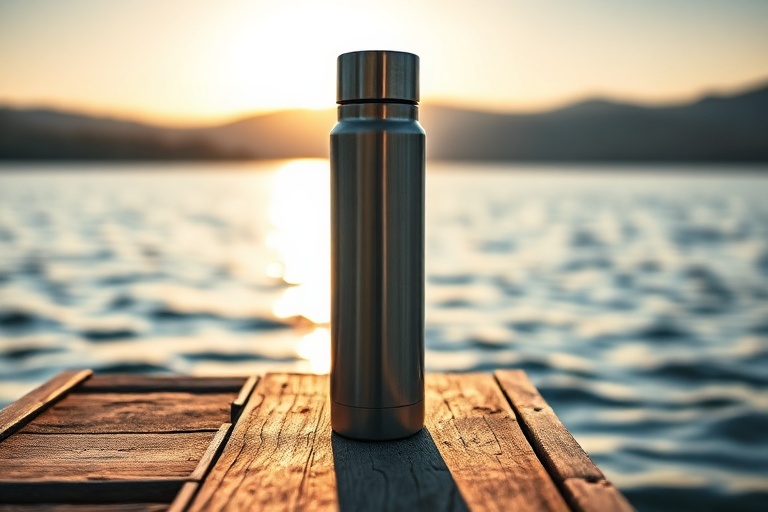
In the 1970s, the company introduced the iconic stainless steel vacuum bottle, a design still in production today. Later iterations included electric models for warming liquids on the go. Today, Thermos competes with budget alternatives, but its reputation for reliability keeps it relevant. The brand’s longevity underscores a simple truth: sometimes, the best inventions are the ones we take for granted.
Beyond the Kitchen: Thermoses in Unexpected Places
The Thermos’s influence stretches far beyond lunchboxes. In disaster zones, aid workers use insulated containers to transport vaccines and blood samples at precise temperatures. Hikers depend on them to melt snow for drinking water without a stove. Even the food industry relies on vacuum-sealed containers to preserve freshness during transport.
Its versatility has also made it a cultural icon. In Japan, Thermos bottles are a staple in offices and classrooms, often personalized with company logos or anime designs. In India, street vendors sell chai from large Thermos flasks, while in Scandinavia, they’re used to keep coffee piping hot during long winter hikes. The product’s adaptability speaks to its universal appeal.
Eco-Friendly Evolution: Thermoses in a Sustainable World
As single-use plastics face scrutiny, the Thermos offers a sustainable alternative. Stainless steel models reduce waste compared to disposable cups, and many are fully recyclable. Some companies now produce Thermoses with bamboo lids or recycled materials, aligning with the growing demand for eco-conscious products.
However, challenges remain. Counterfeit versions flood the market, often made with inferior materials that fail to insulate properly. The original brand continues to innovate, introducing leak-proof designs and partnerships with environmental groups. For consumers, choosing a high-quality Thermos isn’t just about convenience—it’s a small step toward reducing plastic pollution.
Why the Thermos Still Matters
In an era of disposable everything, the Thermos stands as a testament to timeless design. Its durability means one purchase can last a lifetime, defying the throwaway culture that dominates modern consumerism. The brand’s ability to adapt—from astronauts to schoolchildren—proves that innovation doesn’t always require complexity.
For those considering a Thermos, the choice often comes down to use case. Outdoor enthusiasts might prioritize weight and durability, while office workers need leak-proof convenience. Parents appreciate spill-resistant designs, while travelers seek compact models that fit in carry-ons. Regardless of the need, the Thermos delivers reliability.
The next time you fill a Thermos with coffee or soup, remember: you’re using a piece of history. A tool refined by science, shaped by culture, and proven by time. In a world of fleeting trends, that’s no small feat.
Key Takeaways for Buyers
- Insulation matters: Vacuum-sealed stainless steel outperforms plastic or thin metal.
- Size and shape: Wide-mouth models are easier to clean, while narrow ones fit in cup holders.
- Brand reputation: Established brands like Thermos offer better durability than generic alternatives.
- Eco benefits: Reusable Thermoses reduce plastic waste significantly over time.
- Special features: Look for leak-proof lids, dishwasher-safe designs, and temperature retention ratings.
Explore more about outdoor gear and sustainable products on Dave’s Locker.