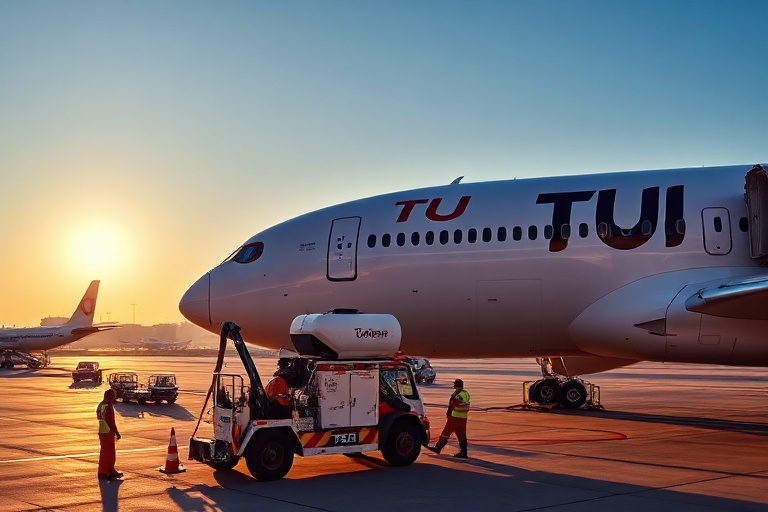
tui jet fuel update
An in-depth look at how fuel price fluctuations and sustainability initiatives are reshaping TUI’s operations and passenger costs.
Why Fuel Costs Matter for TUI’s Operations
Jet fuel represents one of the largest variable costs for airlines, and TUI Group is no exception. In 2023, fuel expenses accounted for over 30% of the company’s total operating costs—a figure that has fluctuated significantly since the pandemic. When oil prices surged following Russia’s invasion of Ukraine, TUI, like many carriers, absorbed some of the cost increases through operational efficiencies rather than passing them directly to consumers. However, as markets stabilised in late 2023, the company began adjusting pricing strategies to reflect the new cost reality.
According to TUI’s 2023 annual report, fuel hedging played a critical role in mitigating volatility. The tour operator locked in prices for approximately 60% of its fuel requirements for the year, providing a buffer against sudden spikes. This strategy allowed TUI to maintain competitive pricing while investing in fuel-efficient aircraft such as the Boeing 737 MAX and Airbus A321neo, which offer up to 20% better fuel economy compared to older models.
For travellers, the impact is most visible in seasonal pricing. Summer 2024 fares to Mediterranean destinations saw modest increases of around 4-6% compared to 2023, a change attributed partly to fuel costs but also to rising airport fees and labour expenses. TUI has emphasised that these adjustments are designed to preserve service quality rather than erode profit margins.
Sustainability Initiatives and Their Role in Fuel Strategy
TUI isn’t just reacting to fuel price changes—it’s also embedding sustainability into its long-term fuel strategy. The company has committed to reducing its carbon intensity by 25% by 2030, with jet fuel efficiency improvements forming a central pillar of this plan. In 2023, TUI became one of the first major tour operators to introduce Sustainable Aviation Fuel (SAF) on select flights, beginning with routes from London Gatwick to the Canary Islands.
SAF currently costs three to five times more than conventional jet fuel, but TUI has absorbed the premium for a portion of its fleet as part of a pilot programme. Passengers booking these flights receive documentation detailing their flight’s SAF usage and the resulting CO₂ reduction. While uptake remains low due to higher fares, the initiative positions TUI as a leader in sustainable leisure travel.
Looking ahead, TUI plans to expand SAF usage in partnership with Neste and other suppliers. By 2025, the company aims to source SAF for up to 5% of its annual fuel consumption, contingent on regulatory support and cost reductions. This aligns with the EU’s ReFuelEU Aviation mandate, which requires airlines operating in Europe to use a minimum of 2% SAF by 2025.
Environmental groups have welcomed these steps but note that SAF alone won’t solve aviation’s emissions problem. TUI is also exploring operational changes, such as optimised flight paths and reduced aircraft weight, to further cut fuel burn. These measures complement its broader decarbonisation roadmap, which includes fleet renewal and ground transport electrification.
How Fuel Costs Affect Holiday Prices and Booking Behaviour
For travellers, the interplay between fuel costs and holiday pricing can be difficult to decipher. Unlike budget airlines that often pass fuel surcharges directly to passengers, TUI typically bundles these costs into its package prices. This approach simplifies the booking process but can make it harder for customers to track how fuel prices influence their final bill.
In early 2024, TUI introduced a new fare structure that separates base fares from “variable service fees,” a move aimed at improving transparency. While the fees are primarily driven by airport and handling costs, fuel remains a contributing factor. Industry analysts suggest that if oil prices exceed $100 per barrel in 2024, TUI may introduce fuel-related surcharges for the first time since 2022.
Booking behaviour has also shifted in response to fuel price uncertainty. Data from TUI’s UK customer base shows a 12% increase in last-minute bookings during periods of high fuel price volatility. Travellers appear to be delaying purchases in hopes of securing lower fares, though this strategy carries its own risks—particularly during peak summer months when demand outstrips supply.
To help customers navigate these changes, TUI has launched a fuel price tracker on its website. The tool provides historical fuel price data alongside current trends, allowing travellers to make more informed decisions. For those concerned about future price hikes, flexible booking options—such as TUI’s “My Holiday Guarantee”—offer peace of mind with free date changes up to 60 days before departure.
Key Takeaways for Travellers
- Fuel costs are a major but often hidden driver of holiday prices, especially on package deals.
- SAF usage is increasing but remains a small fraction of TUI’s fuel mix due to high costs.
- Booking early or opting for flexible fares can mitigate exposure to last-minute price adjustments.
- TUI’s fuel hedging strategy helps stabilise prices, but oil market shocks could still lead to surcharges.
Looking Ahead: What’s Next for TUI’s Fuel Strategy?
The next two years will be pivotal for TUI’s fuel management. With oil prices expected to remain volatile—amid geopolitical tensions and OPEC production decisions—the company is doubling down on hedging and efficiency measures. Its recent agreement with Airbus to purchase up to 50 A321neo aircraft, deliveries starting in 2025, will further reduce fuel dependency. These planes are not only more efficient but also compatible with higher SAF blends, positioning TUI for future regulatory compliance.
Another area of focus is ground operations. TUI has committed to electrifying its airport ground handling equipment across its top 20 European destinations by 2026. While this won’t directly reduce jet fuel consumption, it lowers the overall carbon footprint of each holiday package. The company is also investing in digital tools to optimise flight loads, ensuring planes operate at near-full capacity—a key factor in fuel efficiency.
For investors and industry watchers, TUI’s fuel strategy offers a case study in balancing cost control with sustainability. The company’s ability to navigate price volatility while advancing its decarbonisation goals could set a precedent for other tour operators. However, success hinges on several variables, including oil market stability, regulatory support for SAF, and consumer willingness to pay a premium for greener travel.
Travellers planning holidays with TUI in 2025 and beyond should monitor two key developments: the expansion of SAF programmes and any new fuel-related surcharges. While the company has historically absorbed cost increases to maintain competitiveness, rising fuel prices may eventually force a shift in pricing models. Until then, customers can benefit from TUI’s hedging strategies by securing early bookings and leveraging flexible fare options.
Final Thoughts
The TUI jet fuel update isn’t just about numbers—it’s about the future of leisure travel. As fuel prices ebb and flow, TUI is navigating a complex landscape where cost, sustainability, and customer experience intersect. For now, the company’s balanced approach appears to be working, but the coming years will test its resilience. Travellers, meanwhile, would do well to stay informed, book strategically, and consider the broader environmental impact of their holidays.
For more insights on travel trends and airline updates, visit our Travel and News sections. Whether you’re planning a summer getaway or simply keeping an eye on the industry, staying updated is key to making the most of your next adventure.