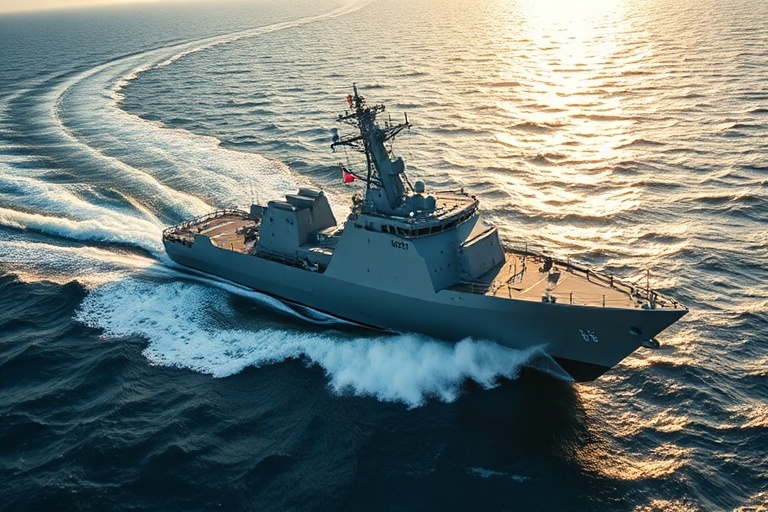
Type 31 Frigate: Britain’s Affordable Warship Revolution
The Type 31 Frigate: Britain’s Next-Generation Warship
The Royal Navy’s fleet is about to receive a significant upgrade with the introduction of the Type 31 frigate, a versatile and cost-effective warship designed to replace aging Type 23 frigates. Built by Babcock International at Rosyth Dockyard in Scotland, this new class of frigate represents a shift toward modular, adaptable naval architecture. With a focus on affordability without sacrificing capability, the Type 31 is poised to become a cornerstone of the Royal Navy’s future surface fleet.
Designed under the Royal Navy’s Inspiration-class program, the Type 31 aims to deliver a multi-role platform capable of anti-submarine warfare, air defense, and maritime security operations. Unlike its predecessors, the Type 31 emphasizes flexibility, allowing for rapid reconfiguration to meet evolving threats. This adaptability is crucial as global naval operations grow increasingly complex.
A Modern Design Built for Efficiency
The Type 31 frigate follows a leaner, more streamlined design compared to the Royal Navy’s high-end Type 45 destroyers and Type 26 frigates. At approximately 140 meters in length and displacing around 5,700 tons, the Type 31 strikes a balance between size and capability. Its sleek hull and integrated mast reduce radar cross-section, enhancing stealth while maintaining operational efficiency.
One of the most notable features of the Type 31 is its modular mission bay, which allows for quick reconfiguration of equipment. This space can accommodate unmanned systems, disaster relief supplies, or additional sensors, depending on mission requirements. The frigate’s propulsion system, combining diesel and electric power, ensures fuel efficiency and extended operational range.
The ship’s crew complement is intentionally optimized for cost savings, with automation reducing the number of personnel required. Despite this, the Type 31 maintains robust command-and-control systems, ensuring it remains a formidable presence in contested waters.
Capability and Armament: What the Type 31 Can Do
The Type 31 frigate is equipped with a balanced suite of weapons and sensors designed for modern naval warfare. At its core is the Sea Ceptor air defense missile system, providing short-to-medium range protection against aircraft and anti-ship missiles. For surface warfare, the frigate will be armed with the 5-inch Mk 45 naval gun, a reliable weapon for both anti-surface and shore bombardment roles.
A key capability of the Type 31 is its anti-submarine warfare (ASW) suite. The frigate will deploy the Type 2050 integrated sonar system, along with towed and variable-depth sonars, allowing it to detect and track submarines effectively. Additionally, the ship will carry lightweight torpedoes and a helicopter hangar capable of supporting either a Merlin or Wildcat helicopter, further enhancing its ASW and maritime strike capabilities.
The Type 31’s communications and electronic warfare systems are also cutting-edge, featuring the Type 1046 radar and the S1850M long-range air surveillance radar. These systems provide situational awareness and early warning, ensuring the frigate can operate in high-threat environments. The ship’s design also allows for future upgrades, ensuring it remains relevant for decades.
The Royal Navy’s Fleet Renewal Strategy
The introduction of the Type 31 frigate is part of a broader modernization effort for the Royal Navy. With the Type 23 frigates nearing the end of their service lives, the Royal Navy requires a new generation of warships to maintain operational readiness. The Type 31 program is intended to deliver five frigates at a significantly lower cost than the Type 26, which focuses on high-end anti-submarine warfare.
The Type 31 program has faced scrutiny over delays and cost overruns, but recent progress suggests the first ship, HMS Active, will enter service in the mid-2020s. The remaining vessels are expected to follow at one-year intervals, with all five frigates operational by the early 2030s. This timeline aligns with the decommissioning of the Type 23 fleet, ensuring continuity in the Royal Navy’s surface combatant capability.
The Royal Navy’s decision to pursue the Type 31 alongside the more advanced Type 26 reflects a pragmatic approach to fleet renewal. While the Type 26 will serve as the backbone of the ASW force, the Type 31 provides a flexible, multi-role platform that can be deployed globally. This dual-track strategy ensures the Royal Navy retains both depth and breadth in its operational capabilities.
International Interest and Export Potential
The Type 31 frigate has drawn attention from allied navies seeking cost-effective modern warships. Countries like Poland, Indonesia, and the Philippines have expressed interest in the design, recognizing its modularity and affordability. The Type 31’s export potential could provide a significant boost to the UK’s defense industry, reinforcing Babcock’s position as a leading naval shipbuilder.
One of the frigate’s key selling points is its adaptability to different operational requirements. Foreign buyers can customize the Type 31’s mission bay and weapon systems to suit their specific needs, making it an attractive option for smaller navies looking to modernize. The Royal Navy’s experience with the Type 31 will serve as a valuable reference for potential export customers.
However, competition in the global frigate market is fierce. European rivals like France’s FDI and Italy’s FREMM offer similar capabilities, while the US Arleigh Burke-class destroyers provide a more heavily armed alternative. To succeed in export markets, the Type 31 will need to demonstrate reliability, cost-effectiveness, and strong after-sales support.
A Step Toward a More Agile Royal Navy
The Type 31 frigate represents a strategic investment in the Royal Navy’s future. By prioritizing flexibility, affordability, and modularity, the Royal Navy is positioning itself to meet the challenges of a rapidly evolving security environment. The Type 31’s ability to integrate new technologies and adapt to emerging threats ensures it will remain a relevant platform for decades.
As the Royal Navy transitions to a fleet composed of Type 26, Type 31, and Type 45 vessels, its operational reach and resilience will increase. The Type 31’s role in supporting NATO operations, counter-piracy missions, and humanitarian assistance demonstrates its versatility. With these new frigates, the Royal Navy is better equipped to project power and protect national interests.
The Type 31 program also underscores the importance of domestic shipbuilding in maintaining national security. By supporting British industry, the Royal Navy ensures it has a reliable supply chain and access to cutting-edge technology. This approach strengthens the UK’s defense industrial base and creates high-skilled jobs across the country.
Conclusion: The Future of Naval Warfare
The Type 31 frigate is more than just a replacement for the Type 23; it is a symbol of the Royal Navy’s commitment to innovation and adaptability. With its modular design, balanced capabilities, and cost-effective construction, the Type 31 is well-suited to meet the demands of 21st-century naval operations. As it enters service in the coming years, the Type 31 will play a pivotal role in safeguarding the UK’s maritime interests.
For defense enthusiasts and industry observers, the Type 31 program offers valuable insights into the future of naval warfare. Its success could influence shipbuilding trends worldwide, proving that affordability and flexibility are just as critical as raw firepower. As the Royal Navy embarks on this new chapter, the Type 31 frigate stands ready to prove its worth on the high seas.