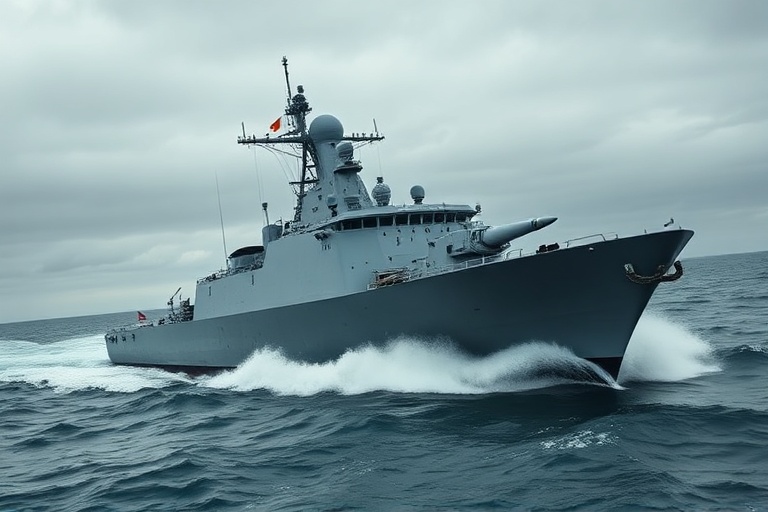
Type 31 Frigate: Britain’s New Global Naval Workhorse
The Royal Navy is about to receive a significant upgrade to its surface fleet with the introduction of the Type 31 frigate. Designed as a versatile and cost-effective warship, the Type 31 represents a strategic shift in how the UK approaches modern naval operations. With construction underway and the first vessels expected to enter service in the late 2020s, this new class of frigate is poised to play a critical role in Britain’s defense posture and international partnerships.
The Genesis of the Type 31: A Frigate for the Future
The Type 31 frigate was conceived as part of the UK’s frigate renewal program, which aimed to replace the aging Type 23 frigates. Initially envisioned under the “Global Combat Ship” program, the Type 31 evolved into a more affordable and adaptable design, balancing cutting-edge technology with practical utility. Unlike its predecessors, which were optimized for anti-submarine warfare, the Type 31 is designed to be a general-purpose vessel capable of handling a wide range of missions, from maritime security to humanitarian aid.
The ship’s development was driven by two key imperatives: cost and flexibility. The Royal Navy needed a platform that could be built quickly and at scale without sacrificing capability. This led to the adoption of a modular design, allowing for future upgrades and customization as technology and operational needs evolve. The first five Type 31 frigates, named the Inspiration class, are being constructed by Babcock International at Rosyth Dockyard in Scotland, with additional vessels planned for export.
Key Design Features of the Type 31
The Type 31 frigate incorporates several innovative design elements that set it apart from previous generations of British warships. One of the most notable is its length of 149 meters and displacement of approximately 5,700 tonnes, making it slightly larger than the Type 23 but smaller than the more advanced Type 45 destroyers. The ship’s propulsion system is a hybrid electric-diesel arrangement, providing a balance between fuel efficiency and operational range.
The frigate’s armament is designed for versatility. While it lacks the heavy missile systems of the Type 45, it features a 114mm main gun, a Sea Ceptor air defense missile system, and a variety of smaller caliber weapons for close-in defense. The ship is also equipped with a hangar and flight deck capable of supporting a Merlin or Wildcat helicopter, as well as unmanned aerial vehicles (UAVs) for reconnaissance and strike missions.
Perhaps the most distinctive aspect of the Type 31 is its open architecture design, which allows for rapid integration of new systems and technologies. This modular approach ensures that the frigate can adapt to emerging threats, such as cyber warfare or advanced anti-ship missiles, without requiring extensive refits.
Operational Roles and Strategic Importance
The Type 31 frigate is intended to serve as the backbone of the Royal Navy’s surface fleet, undertaking a diverse array of missions. Its primary roles include:
- Maritime Security: Patrolling key shipping lanes, combating piracy, and protecting critical infrastructure such as undersea cables and oil platforms.
- Anti-Submarine Warfare (ASW): While not as specialized as the Type 23, the Type 31 is equipped with towed sonar and helicopter-based ASW capabilities, making it a valuable asset in contested waters.
- Expeditionary Operations: Supporting amphibious landings, conducting disaster relief missions, and providing a forward presence in regions of strategic interest.
- Power Projection: Deploying as part of carrier strike groups or independently to assert British influence in areas such as the South China Sea or the Arctic.
The frigate’s ability to operate in both high-intensity conflict and low-threat environments makes it a critical tool for the UK’s “Global Britain” strategy. With a planned complement of 26 Type 31 and Type 45 destroyers by the 2030s, the Royal Navy will regain much-needed capacity after years of fleet contraction. This expansion is particularly timely given the growing assertiveness of Russia, China, and other regional powers.
Export Potential and International Partnerships
Beyond its domestic role, the Type 31 frigate has attracted significant interest from allied nations seeking to modernize their fleets. Countries such as Poland, Indonesia, and Brazil have expressed interest in the design, drawn by its balance of affordability and capability. The modular nature of the frigate allows for customization to meet specific national requirements, whether in armament, sensor suites, or crew accommodations.
For the UK, the export potential of the Type 31 represents a strategic opportunity to bolster defense industrial partnerships and strengthen alliances. The frigate’s construction at Rosyth Dockyard—home to some of the UK’s most advanced shipbuilding facilities—also positions Britain as a leader in mid-tier warship production. This could help offset the costs of the Type 31 program while supporting thousands of skilled jobs in the maritime sector.
Challenges and Criticisms
Despite its promise, the Type 31 frigate has not been without controversy. Critics argue that the ship’s focus on cost savings may have come at the expense of capability. The lack of a long-range land-attack missile system, such as the Tomahawk, has been a particular point of contention, as has the decision to equip the frigate with a smaller main gun (114mm) compared to the 127mm guns on some foreign frigates.
Another challenge is the timeline for delivery. The first Type 31, HMS Active, is expected to enter service in 2027, with the remaining vessels following by 2030. Delays in construction or technology integration could erode the Royal Navy’s operational readiness at a time when global tensions are rising. Additionally, the frigate’s open architecture, while flexible, may require more frequent upgrades to keep pace with rapidly evolving threats.
There are also concerns about crew shortages. The Royal Navy has faced persistent challenges in recruiting and retaining personnel, and the Type 31’s automated systems, while reducing crew requirements, may not fully address the underlying issues. A smaller crew means fewer billets for junior officers and ratings, potentially limiting career progression and morale.
A New Era for the Royal Navy
The Type 31 frigate marks a turning point for the Royal Navy, signaling a shift from a fleet optimized for Cold War-era scenarios to one designed for the complexities of the 21st century. Its versatility, affordability, and adaptability make it a valuable addition to Britain’s defense arsenal, while its export potential could extend its influence far beyond UK waters.
For defense analysts, the Type 31 offers a case study in how modern navies balance cost and capability. For the Royal Navy, it represents a chance to rebuild fleet numbers and reassert global presence. And for the UK’s shipbuilding industry, it provides a lifeline in an increasingly competitive international market.
As the first Type 31 prepares to set sail, its success will depend not just on its technical specifications, but on how well it integrates into the broader naval ecosystem. Will it become the workhorse of the Royal Navy, or will it be remembered as a compromise born of budget constraints? The answer will shape the future of British maritime power for decades to come.
For more on the Royal Navy’s fleet modernization, explore our coverage of Military Technology and Defense Strategy.