christopher nolan the odyssey
Few filmmakers have shaped modern cinema as decisively as Christopher Nolan. Over two decades, he has transformed from an indie auteur into a global brand, his films resonating across cultures while remaining distinctly his own. Nolan’s work transcends borders, blending intellectual ambition with visceral storytelling—a balance that has earned him both critical acclaim and massive commercial success.
The director’s journey began in the late 1990s with low-budget thrillers like Following (1998) and Memento (2000), which established his knack for nonlinear narratives and cerebral themes. By the time The Dark Knight trilogy redefined superhero cinema in the late 2000s, Nolan had become a household name. Yet his influence extends far beyond Hollywood, touching audiences from Tokyo to Buenos Aires, all of whom engage with his films on their own terms.
The Nolan Effect: Why His Films Resonate Worldwide
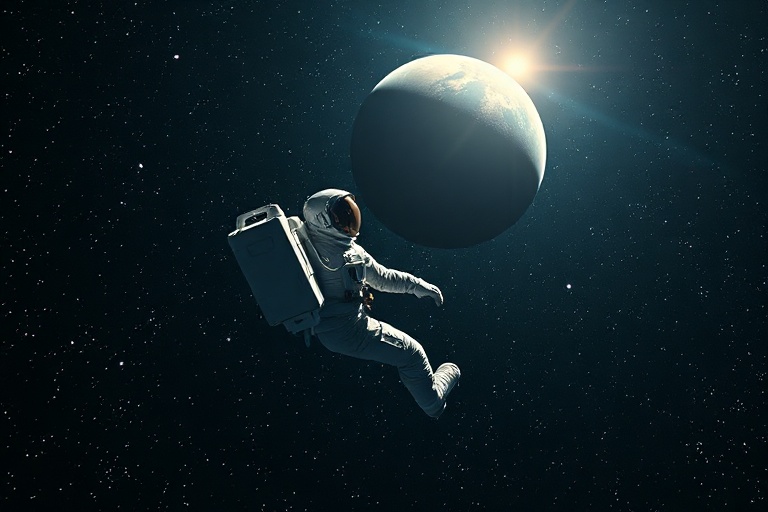
Nolan’s appeal lies in his ability to merge spectacle with substance. Films like Inception (2010) and Interstellar (2014) dazzle with their visual effects, yet they also grapple with weighty philosophical questions about time, memory, and human connection. This duality has made his work a cultural touchstone, discussed in classrooms, online forums, and even political debates.
Cultural reception of Nolan’s films varies by region, reflecting local tastes and priorities. In Europe, critics often praise his intellectual rigor, while in Asia, audiences frequently highlight the emotional depth of his characters. Meanwhile, in Latin America, his films are celebrated for their universal themes, which transcend linguistic and cultural barriers.
Nolan’s global reach is also evident in box office numbers. The Dark Knight Rises (2012) became the highest-grossing film of the year in multiple markets, including India and Brazil. Even his more experimental works, like Tenet (2020), performed strongly internationally, proving that his brand of cinema has universal appeal.
A Filmmaker’s Toolkit: The Techniques That Define Nolan’s Style
Nolan’s technical innovations have left an indelible mark on cinema. He is known for his preference for practical effects over CGI, a choice that lends his films a tangible, immersive quality. The rotating hallway fight scene in Inception, for example, was achieved with a massive, real-world set rather than digital trickery. This commitment to practical filmmaking has inspired a new generation of directors to prioritize physical realism in their work.
Another hallmark of Nolan’s style is his use of IMAX cameras. Since The Dark Knight, he has shot portions of his films in the highest-resolution format available, pushing the boundaries of what moviegoers expect from visual storytelling. This approach has not only elevated the cinematic experience but also influenced how other blockbusters are filmed and exhibited.
Nolan’s collaborations with composer Hans Zimmer have also become iconic. Zimmer’s scores, often featuring pounding, repetitive motifs, have become synonymous with Nolan’s films, enhancing their emotional and psychological impact. Tracks like Time from Inception and Cornfield Chase from Interstellar are instantly recognizable, even to those who haven’t seen the movies.
Here’s a breakdown of Nolan’s most influential techniques:
- Nonlinear storytelling: Films like Memento and Dunkirk challenge audiences to piece together narratives, a style that has influenced everything from indie dramas to major studio releases.
- Practical effects: Nolan’s insistence on real-world stunts and sets has set a new standard for blockbuster filmmaking, reducing reliance on CGI.
- IMAX cinematography: By shooting in IMAX, Nolan has redefined the visual language of modern cinema, making theaters a destination rather than just a venue.
- Sound design: Zimmer’s compositions and Nolan’s meticulous sound editing create an immersive experience that draws audiences deeper into the story.
Nolan’s Cultural Legacy: Beyond the Silver Screen
Nolan’s impact extends beyond filmmaking. His advocacy for theatrical exhibition has sparked debates about the future of movie-going in an era dominated by streaming. In 2020, as the pandemic shuttered theaters worldwide, Nolan publicly championed the importance of the big screen, arguing that cinema is a communal experience that cannot be replicated at home.
His influence is also visible in popular culture. References to Nolan’s films appear in everything from memes to music, and his distinctive style has been parodied in TV shows like The Simpsons and Rick and Morty. Even fashion has felt his impact, with Nolan-inspired aesthetics—think sleek, minimalist designs—gaining traction in streetwear and high-end brands alike.
Nolan’s films have also sparked conversations about ethics, technology, and human nature. The Prestige (2006) explores the cost of obsession, while Interstellar tackles climate change and space exploration. These themes resonate globally, reflecting universal anxieties and aspirations. In countries like Japan, where technological advancement is both celebrated and scrutinized, Inception’s exploration of artificial reality struck a particularly strong chord.
Moreover, Nolan’s work has inspired a wave of filmmakers to pursue ambitious, high-concept projects. Directors like Denis Villeneuve (Arrival, Dune) and Matt Reeves (The Batman) have cited Nolan as a major influence, blending blockbuster spectacle with artistic ambition. This trend has revitalized the sci-fi and superhero genres, proving that mainstream cinema can still deliver intellectual and emotional depth.
The Future of Nolan’s Odyssey
As Nolan approaches the next phase of his career, speculation about his next project is rampant. Rumors suggest he may return to the Dark Knight universe or explore new genres entirely. Whatever he chooses, it’s clear that his legacy is secure. Nolan has not only redefined what it means to be a blockbuster filmmaker but has also elevated the status of cinema itself.
His ability to balance commercial appeal with artistic integrity is rare, and his influence will likely endure for decades. As younger filmmakers continue to draw inspiration from his work, Nolan’s odyssey serves as a reminder that cinema can be both a mass entertainment medium and a platform for profound storytelling.
For fans and critics alike, Nolan’s films offer something to dissect, debate, and celebrate. They are more than just movies—they are cultural artifacts that reflect the anxieties, dreams, and aspirations of our time. And as long as there are theaters to fill and screens to watch, Christopher Nolan’s odyssey will continue.
For more on the intersection of cinema and culture, explore our Entertainment section, where we dive into the stories shaping today’s media landscape.