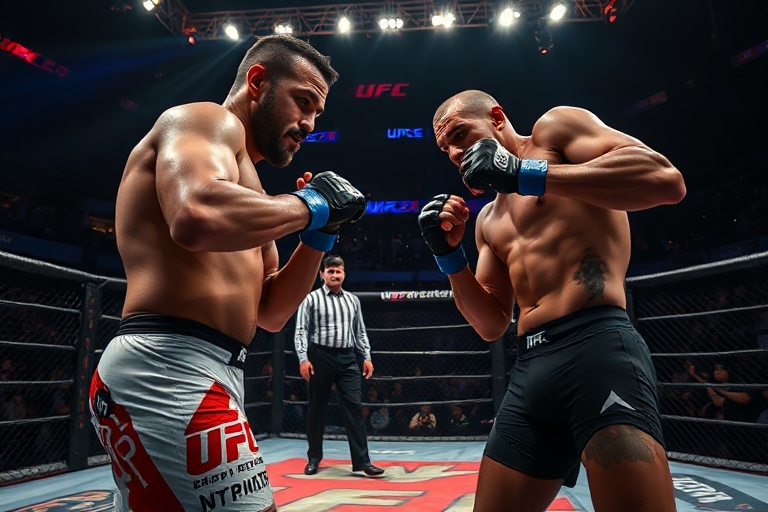
UFC 327 Highlights Strategic Evolution in MMA
The Ultimate Fighting Championship returned to the heart of Texas on a sweltering Saturday night, delivering UFC 327 with a performance that transcended mere athletic competition. Hosted at the American Airlines Center in Dallas, the event showcased a blend of technical mastery, strategic acumen, and raw athleticism that left fans and analysts alike questioning what comes next for the sport. This wasn’t just another pay-per-view card; it was a statement about the evolving nature of mixed martial arts.
The Main Card: Where Strategy Meets Execution
The main card of UFC 327 featured bouts that highlighted the increasing importance of fight IQ alongside physical prowess. Fighters entered the cage with game plans as meticulously crafted as any championship chess match, demonstrating how far the sport has evolved from its no-holds-barred origins. One bout, in particular, stood out as a microcosm of this evolution: the welterweight title fight between champion Leon Edwards and challenger Shavkat Rakhmonov.
Edwards, known for his elusive striking and unorthodox rhythm, faced the relentless pressure of Rakhmonov, a grappler with a reputation for wearing opponents down with precision and stamina. The fight was a chess match of attrition, with Edwards using footwork and counter-striking to pick apart Rakhmonov’s advances. In the end, the champion’s strategy proved superior, as he outpointed the challenger over five grueling rounds to retain his title. The victory underscored a growing trend in MMA: the champion’s ability to dictate the pace of the fight often outweighs sheer volume of output.
Key Takeaways from the Main Card
- Leon Edwards’ Tactical Brilliance: Edwards’ performance reaffirmed his status as one of the sport’s most cerebral fighters. His ability to adapt mid-fight and capitalize on Rakhmonov’s weaknesses highlighted the importance of mental flexibility in high-stakes bouts.
- Rakhmonov’s Grappling Limitations: While Rakhmonov’s grappling is formidable, his inability to close the distance effectively against Edwards exposed a potential vulnerability. This could influence future matchmaking for the Kazakhstani fighter.
- Judges’ Scoring Consistency: The judges’ scores reflected the fight’s ebb and flow accurately, avoiding the controversy that often plagues close decisions in MMA. This bodes well for the sport’s credibility in high-profile bouts.
The Prelims: Unearthed Talent and Rising Stars
The preliminary bouts of UFC 327 served as a reminder that the UFC’s developmental pipeline remains one of the most fertile in sports. Fighters who may have flown under the radar for years suddenly found themselves in the spotlight, delivering performances that could redefine their careers. Among the standout performances was the lightweight bout between American prospect Ian Machado Garry and Brazil’s Gabriel Bonfim. Garry, known for his striking acumen and knockout power, lived up to expectations by finishing Bonfim in the second round with a perfectly timed liver shot. The victory not only solidified Garry’s position as a top contender but also demonstrated the UFC’s willingness to push young talent into headline slots.
Another notable performance came from flyweight contender Bruno Gustavo da Silva, who submitted former title challenger Tim Elliott in the first round. Da Silva’s grappling displayed the kind of technical refinement that suggests he could be a future force in the division. These performances are critical for the UFC, as they provide fresh narratives and inject new energy into fan discussions.
The Role of the UFC’s Developmental System
The UFC’s ability to cultivate talent from regional promotions into global stardom is a key factor in its dominance over other MMA organizations. Events like UFC 327 are not just about the main card; they are about the stories unfolding on the undercard. Fighters like Garry and da Silva represent the future of the sport, and their success on this stage could lead to opportunities that were once unimaginable for regional competitors.
The UFC’s developmental system also serves as a testing ground for new styles and techniques. As the sport becomes more technical, fighters who can adapt quickly to different opponents and styles are more likely to rise through the ranks. This was evident in the performances of Garry and da Silva, both of whom showcased skills honed in diverse training environments.
Broader Implications: What UFC 327 Means for the Sport
UFC 327 was more than just a single event; it was a reflection of the sport’s current trajectory and a glimpse into its future. The performances of fighters like Edwards and Garry highlight a shift toward a more strategic and technical style of fighting, where mental preparation is as crucial as physical conditioning. This evolution has implications for how fans engage with the sport, as well as how fighters prepare for competition.
One of the most significant trends illustrated by UFC 327 is the increasing emphasis on fight IQ. Fighters are no longer rewarded solely for their physical attributes; instead, they must demonstrate an ability to adapt, counter, and execute under pressure. This shift has led to a more nuanced style of fighting, where technical precision often trumps brute force. For fans, this means that fights are becoming more strategic and less predictable, which could lead to a resurgence in interest among casual viewers who crave complexity and depth.
The Future of MMA: A Sport in Transition
The UFC’s ability to maintain its relevance in an increasingly crowded sports entertainment landscape will depend on its capacity to evolve. Events like UFC 327 suggest that the organization is moving in the right direction, with a focus on technical excellence and strategic depth. However, challenges remain, particularly in ensuring that the sport remains accessible and exciting for new fans.
One potential hurdle is the growing emphasis on grappling and wrestling, which can sometimes make fights feel slower or less dynamic to casual viewers. While this trend reflects the sport’s maturation, it also risks alienating fans who prefer the high-octane action of earlier eras. The UFC will need to strike a balance between technical sophistication and explosive entertainment to keep its audience engaged.
Conclusion: A Night to Remember
UFC 327 delivered a night of mixed martial arts that was as intellectually stimulating as it was physically demanding. The event showcased the sport’s evolution, with fighters demonstrating a level of technical skill and strategic planning that would have been unimaginable just a decade ago. For fans, the night was a reminder of why they fell in love with MMA in the first place: the thrill of competition, the unpredictability of combat, and the sheer willpower required to succeed at the highest level.
As the UFC continues to grow, events like UFC 327 will serve as benchmarks for the sport’s progress. They highlight the importance of adaptability, the value of technical mastery, and the enduring appeal of mixed martial arts. For those who love the sport, this was a night to savor—and a sign of even greater things to come.
For more insights into the world of MMA and the fighters who shape it, visit Dave’s Locker MMA section and explore the Sports category for broader coverage of combat sports.