UFC Post-Fight Press Conferences: Where Words Shape Legacies
Why Post-Fight Press Conferences Matter in the UFC
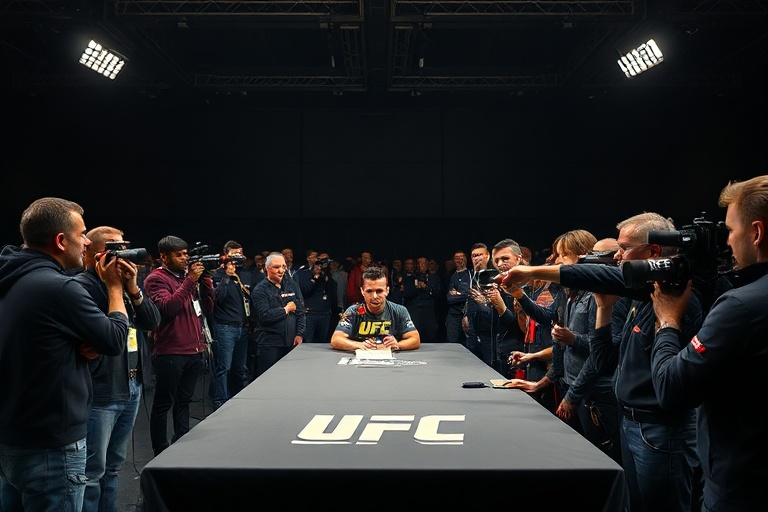
The octagon is where warriors clash, but the post-fight press conference is where the narrative evolves. While the physical battle ends with the final bell, the verbal sparring begins almost immediately. These sessions serve as a bridge between raw combat and public perception, offering fighters a platform to clarify statements, address controversies, and sometimes even fan the flames of future rivalries.
In the UFC, where personalities are as scrutinized as performances, the post-fight press conference is a carefully choreographed dance. Fighters walk a tightrope between humility and defiance, gratitude and aggression. A misplaced word or a forced smile can spiral into social media controversy. Yet, when executed with precision, these moments become pivotal in shaping a fighter’s legacy—long before the next pay-per-view event.
The Anatomy of a Press Conference
Every UFC post-fight press conference follows a predictable rhythm, though the tone varies wildly depending on the outcome. The structure typically unfolds in stages:
- Initial Reactions: The fighter addresses the result, often beginning with acknowledgment of their opponent. Wins prompt gratitude; losses demand defiance or introspection.
- Media Probing: Journalists dissect every moment of the fight, from controversial decisions to highlight-reel strikes. Fighters must navigate questions that range from respectful to outright hostile.
- Rivalry Escalation: If animosity exists, the press conference becomes a battleground. Trash talk, veiled threats, or even handshakes gone wrong dominate headlines.
- Corporate Messaging: Dana White or UFC executives often step in to steer the conversation toward promotion, future matchups, or organizational updates.
This framework ensures that even the most mundane press conference feels high-stakes. The UFC thrives on storytelling, and these moments are where the plot thickens.
From Humility to Hostility: How Fighters Use the Stage
Some fighters treat the post-fight press conference as a masterclass in humility. Jon Jones, despite his storied career, often deflects praise toward his team or opponents, knowing that graciousness curries favor with fans and sponsors alike. His ability to balance confidence with respect has cemented his image as both a dominant athlete and a marketable star.
Contrast that with fighters like Jorge Masvidal, whose post-fight persona thrives on chaos. Whether it’s a mic’d-up rant or a pointed finger, Masvidal understands the power of theatrics. His post-fight press conferences aren’t just Q&As; they’re performances that keep him relevant even when he’s not fighting.
Then there are the rare moments when a fighter’s raw emotion shatters the script. Israel Adesanya’s post-fight breakdown after his knockout loss to Alex Pereira in 2023 revealed a vulnerability that resonated deeply with fans. It wasn’t just a loss; it was a story of redemption, and the press conference became a chapter in that narrative.
When Words Become Weapons
The UFC’s post-fight press conferences have birthed some of the sport’s most infamous moments. A poorly chosen phrase can escalate tensions into real-world consequences. Consider the fallout from Conor McGregor’s post-fight remarks after his loss to Khabib Nurmagomedov in 2018. McGregor’s lack of composure didn’t just alienate fans—it fueled a feud that spilled into legal disputes and personal attacks.
Yet, not all verbal sparring is negative. The rivalry between Leon Edwards and Kamaru Usman has been defined by mutual respect and playful banter in post-fight settings. Their ability to turn press conferences into entertainment has kept their feud fresh and their paydays high.
What makes these moments compelling is their unpredictability. A fighter’s words can either humanize them or turn them into villains. The UFC knows this—and it’s why these press conferences are as much a part of the show as the fights themselves.
The Bigger Picture: Press Conferences as Marketing Tools
Beyond the spectacle, UFC post-fight press conferences are strategic tools. They’re where the promotion fuels its own narrative, ensuring that a fighter’s story doesn’t fade after the final round. A fighter’s post-fight persona can dictate their marketability, sponsorship deals, and even their future matchups.
For example, Sean O’Malley’s rise to stardom was accelerated by his charismatic, meme-worthy post-fight interviews. His ability to connect with younger audiences through humor and authenticity transformed him from an underdog into one of the UFC’s most bankable stars. Promoters took notice, and his next fight was booked against a top contender—partly because of his market appeal.
The UFC’s business model depends on keeping fighters in the spotlight year-round. Post-fight press conferences are the perfect vehicle for this, offering free content for news outlets and social media platforms. A fighter who can deliver quotable moments becomes a valuable asset, while one who clams up risks fading into obscurity.
The Future of Press Conferences in the Digital Age
As social media continues to dominate sports discourse, the traditional post-fight press conference faces competition. Fighters now have direct access to fans through platforms like Twitter and Instagram, where unfiltered reactions can go viral in seconds. This shift raises questions about the relevance of formal press conferences.
Yet, the UFC shows no signs of abandoning them. In fact, the promotion has doubled down by integrating press conferences into its broadcast strategy. Events like UFC 300 featured multi-fighter press conferences, blending traditional Q&As with live audience interactions. The UFC is turning these moments into must-see spectacles, ensuring they remain a cornerstone of its product.
Looking ahead, expect more hybrid formats—virtual components, interactive fan questions, and even celebrity guest hosts. The goal is clear: keep the conversation going, no matter where it happens.
Key Takeaways: What These Moments Teach Us
UFC post-fight press conferences are more than just postscripts to the main event. They’re a microcosm of the sport itself—brutal, unpredictable, and endlessly entertaining. Here’s what they reveal:
- Personality sells: In a sport where athletes are brands, how a fighter carries themselves off the canvas can be as important as their performance inside it.
- Narrative control is power: The UFC and its fighters use these moments to shape their stories, whether it’s through humility, aggression, or humor.
- Emotion drives engagement: Fans don’t just want to see fights; they want to feel connected to the athletes. Raw, unfiltered reactions create lasting impressions.
- The show must go on: Even in defeat, fighters are expected to perform. The ability to handle adversity with grace—or defiance—is part of the spectacle.
For those who dismiss post-fight press conferences as mere formalities, the reality is far more nuanced. These moments are where reputations are forged, rivalries are stoked, and the UFC’s brand is perpetuated. They’re a reminder that combat sports are as much about storytelling as they are about physicality.
As the UFC continues to grow, so too will the stakes of these press conferences. The next generation of fighters will inherit a stage that demands both athletic prowess and media savvy. Those who master it will find themselves not just in the winner’s circle, but at the forefront of the sport’s cultural conversation.
One thing is certain: the octagon may be where wars are won, but the press conference is where the battles for legacy truly begin.
Explore more trending stories in combat sports or dive deeper into fighter analysis on Dave’s Locker Analysis.