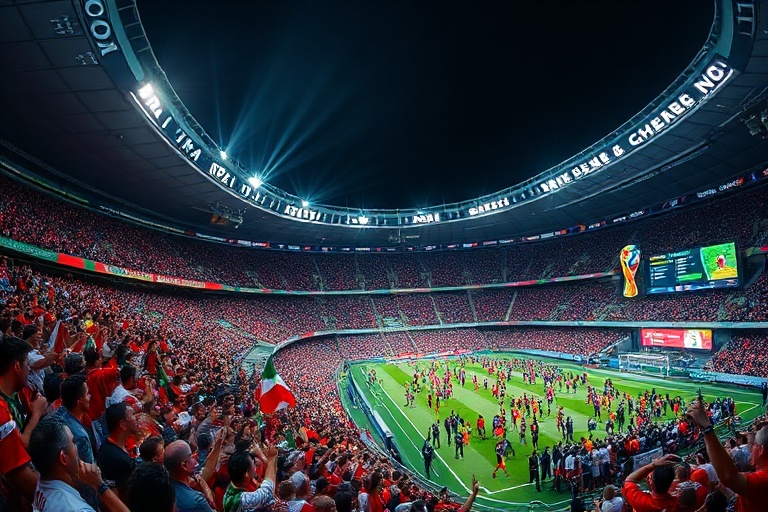
The FIFA World Cup Schedule: A Global Calendar of Passion and Competition
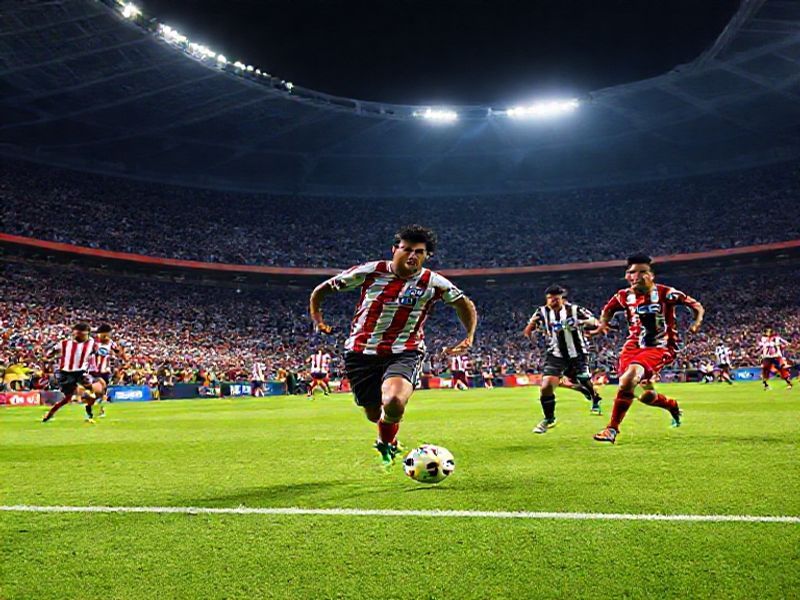
The FIFA World Cup stands as the pinnacle of international football, a quadrennial tournament that unites nations through the universal language of sport. With matches spanning five weeks, the World Cup schedule is meticulously crafted to balance competition, rest, and logistical demands. This global event captures the attention of billions, blending athletic excellence with cultural exchange. Understanding the schedule reveals how FIFA orchestrates one of the world’s most-watched sporting spectacles.
The Structure of the World Cup Schedule
The modern World Cup follows a predictable yet evolving format. The tournament begins with a group stage, where 32 teams compete in eight groups of four. Each team plays three matches, with the top two from each group advancing. This phase spans approximately two weeks, providing a steady rhythm of matches that build anticipation. The knockout rounds follow, featuring the Round of 16, Quarterfinals, Semifinals, and the Final. These high-stakes encounters compress the schedule, with matches often separated by just a few days.
For the 2026 edition, FIFA will expand the tournament to 48 teams, introducing a more complex schedule. The group stage will stretch to four weeks, accommodating the additional matches while maintaining fan engagement. This expansion reflects football’s growing global appeal, particularly in regions like North America, Asia, and Africa. The longer schedule also allows for more rest days between matches, addressing player welfare concerns that have intensified in recent tournaments.
Cultural and Logistical Considerations
The World Cup schedule is not merely a sporting calendar; it is a reflection of global diversity. Host nations must navigate time zones, climate conditions, and local customs to ensure fairness. For example, the 2022 World Cup in Qatar was held in November and December to avoid the extreme summer heat, a decision that disrupted domestic leagues worldwide. Similarly, the 2014 tournament in Brazil featured matches across multiple time zones, from the Amazon to the Atlantic coast, challenging broadcasters and fans alike.
Cultural nuances also shape the schedule. Opening ceremonies often blend local traditions with global spectacle, setting the tone for the tournament. The timing of matches considers prime viewing hours in major markets, such as Europe and East Asia. For instance, games in the 2018 World Cup in Russia were scheduled to maximize viewership in Europe while accommodating late-night broadcasts in Asia. These decisions highlight how FIFA balances commercial interests with the integrity of the competition.
The host nation’s infrastructure plays a critical role. Stadiums must be ready months in advance, and fan zones need to accommodate thousands of visitors. In 2010, South Africa’s World Cup schedule was designed to showcase the country’s unity, with matches spread across nine cities. The tournament became a symbol of post-apartheid reconciliation, with the schedule reflecting a commitment to inclusivity.
Key Moments in World Cup Schedule History
Over the decades, the World Cup schedule has evolved to meet the demands of a growing global audience. The 1950 tournament in Brazil was notable for its unique format, featuring a final round-robin stage instead of a knockout final. This experiment, though short-lived, demonstrated FIFA’s willingness to adapt. The 1970 World Cup in Mexico introduced color television broadcasts, prompting FIFA to adjust kickoff times to suit international audiences.
The 1994 World Cup in the United States marked a turning point for the schedule’s commercialization. Matches were scheduled for prime-time slots in the U.S., a strategy that expanded football’s reach beyond traditional markets. The tournament’s success paved the way for future editions in non-traditional hosts, including South Korea and Japan in 2002 and South Africa in 2010.
Recent tournaments have prioritized player recovery and fan experience. The 2018 World Cup in Russia introduced a 24-hour break between the group stage and knockout rounds, a change aimed at reducing fatigue. The 2022 edition in Qatar further refined the schedule by limiting the number of matches per day to three, ensuring broadcasters had adequate coverage windows.
How Fans Engage with the World Cup Schedule
For fans, the World Cup schedule is a source of excitement and planning. Travelers from around the world coordinate trips to coincide with key matches, often booking accommodations and flights a year in advance. The schedule’s release triggers a wave of analysis, with pundits predicting matchups and outcomes. Social media amplifies this engagement, with fans debating kickoff times, time zones, and potential upsets in real time.
Television broadcasters play a crucial role in shaping how fans experience the schedule. Networks like ESPN, BBC, and Al Jazeera negotiate rights years in advance, tailoring programming to local audiences. For example, the 2014 World Cup in Brazil saw record-breaking viewership in the United States, driven by strategic scheduling of marquee matches like the USA vs. Germany game, which aired during prime time.
Fantasy football platforms also thrive on the World Cup schedule, allowing fans to draft players and compete in virtual leagues. The group stage’s round-robin format creates opportunities for strategic picks, while knockout matches heighten the stakes. These platforms have become integral to fan engagement, turning casual viewers into active participants.
The Future of the World Cup Schedule
As football continues to grow, the World Cup schedule will likely undergo further changes. FIFA’s expansion to 48 teams in 2026 will test the tournament’s logistical limits, requiring innovative solutions for stadium rotations and fan mobility. The potential for a biennial World Cup—proposed by FIFA in 2021—could dramatically alter the schedule, compressing the tournament into a single year and disrupting domestic leagues worldwide.
Technology will also play a role in shaping the schedule. VAR (Video Assistant Referee) reviews, introduced in 2018, have added time to matches, prompting debates about their impact on the schedule’s flow. Innovations like semi-automated offside technology, used in 2022, may further refine match durations and broadcast windows.
The World Cup’s global reach ensures that its schedule will remain a topic of discussion for decades to come. Whether through expanded formats, new host nations, or technological advancements, the tournament will continue to evolve while maintaining its core mission: to bring the world together through football.
For those eager to dive deeper into the World Cup’s history and cultural impact, explore our Sports category for additional insights and analyses. The tournament’s schedule is more than a calendar; it is a testament to the power of sport to transcend borders and unite humanity.