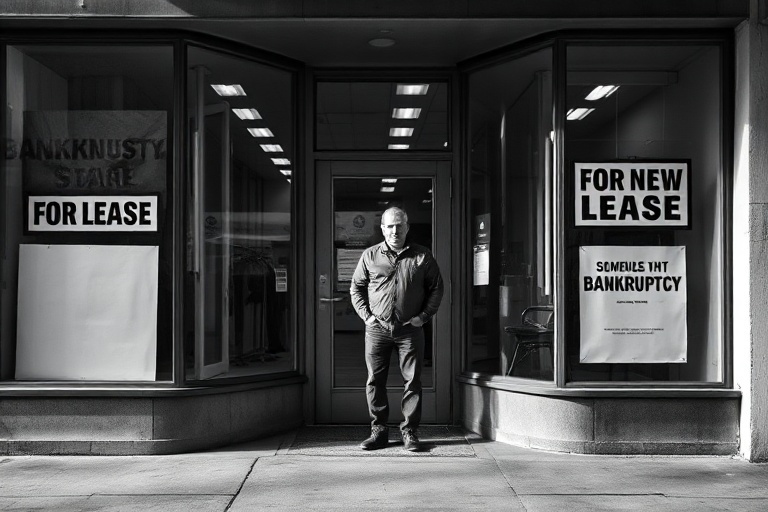
bankruptcy
Bankruptcy remains one of the most misunderstood yet critical legal tools available to individuals and businesses facing insurmountable debt. Often seen as a last resort, it provides a structured path to financial recovery while balancing the rights of creditors. The process can be complex, intimidating, and emotionally taxing, but it also offers a lifeline when debts overwhelm every other option. Understanding how bankruptcy functions—its types, implications, and consequences—can help those considering it make informed decisions.
What Is Bankruptcy and Why Do People File?
At its core, bankruptcy is a legal proceeding designed to help debtors eliminate or repay their debts under the protection of the court. It’s governed primarily by federal law in the United States, specifically the U.S. Bankruptcy Code, which outlines several distinct chapters depending on the filer’s circumstances. While the word often carries a stigma, bankruptcy is not about failure—it’s about restructuring, relief, and a fresh start.
Individuals typically file for bankruptcy when they can no longer meet their financial obligations. Medical emergencies, job loss, divorce, or poor financial planning can all lead to unmanageable debt. For businesses, bankruptcy may be a strategic move to reorganize, sell assets, or cease operations without facing immediate legal action from creditors. Filing halts most collection efforts, including lawsuits, wage garnishments, and harassing phone calls, providing immediate relief.
Common Reasons for Filing
- Overwhelming Medical Debt: A leading cause, especially in countries without universal healthcare.
- Job Loss or Income Reduction: Sudden loss of employment disrupts income stability.
- Divorce or Separation: Legal fees and asset division often strain finances.
- Poor Debt Management: Credit card debt, high-interest loans, and overspending can spiral out of control.
- Unexpected Expenses: Major repairs, natural disasters, or accidents can deplete savings.
Bankruptcy offers a legal shield during financial distress, but it comes with long-term consequences that must be carefully weighed. Credit scores drop significantly, and the filing remains on credit reports for seven to ten years, affecting future borrowing, housing, and even employment opportunities in some cases.
Types of Bankruptcy: Which Chapter Applies to You?
The U.S. Bankruptcy Code includes several chapters, each serving different purposes. The most common for individuals are Chapter 7 and Chapter 13, while businesses often use Chapter 11. The right choice depends on income, assets, debt type, and long-term goals.
Chapter 7: Liquidation Bankruptcy
Chapter 7 is often called “straight bankruptcy” or “liquidation bankruptcy.” It’s designed for individuals with limited income who cannot repay their debts. The court appoints a trustee to oversee the process, which typically lasts three to six months. The trustee reviews the filer’s assets and may sell non-exempt property to pay creditors. However, many assets—like primary homes, personal belongings, and retirement accounts—are protected under exemption laws.
Most unsecured debts—such as credit cards, medical bills, and personal loans—are discharged, meaning the debtor is no longer legally obligated to repay them. Certain debts, including student loans, child support, and recent tax obligations, generally cannot be discharged. After Chapter 7, filers often emerge debt-free, though with a damaged credit score.
Chapter 13: Reorganization Bankruptcy
Chapter 13 is a structured repayment plan for individuals with regular income who can afford to pay back a portion of their debts over time—typically three to five years. Unlike Chapter 7, it allows filers to keep their property, including homes and cars, as long as they adhere to the repayment schedule. This option is ideal for those facing foreclosure or repossession but who have steady income and want to catch up on missed payments.
The court sets a monthly payment based on disposable income after essential expenses like rent, utilities, and groceries. Creditors must accept the plan if it meets legal requirements. Upon successful completion, remaining eligible debts are discharged. Chapter 13 stays on credit reports for seven years but is often viewed as less damaging than Chapter 7.
Chapter 11: Business Reorganization
Chapter 11 is primarily used by businesses—large and small—to reorganize their debts and operations while continuing to operate. It’s complex, expensive, and time-consuming, often requiring months or years to complete. The business proposes a plan to restructure debt, renegotiate contracts, and streamline operations. Creditors vote on the plan, and the court must approve it.
While famously used by major corporations like General Motors and Chrysler, small businesses can also file Chapter 11. The goal is to emerge leaner and more profitable. However, many businesses opt for Chapter 7 liquidation or out-of-court restructurings if Chapter 11 seems too burdensome.
The Broader Impact of Bankruptcy on Creditors, Economy, and Society
While bankruptcy offers a fresh start for debtors, its ripple effects extend far beyond individual filers. Creditors often face significant losses, especially in Chapter 7 cases where unsecured debts are wiped out. Banks, credit card companies, and medical providers absorb these losses, which are sometimes passed on to consumers through higher interest rates or stricter lending standards.
Economically, bankruptcy plays a stabilizing role. It prevents a domino effect where one person’s financial collapse triggers cascading defaults across families, small businesses, and local economies. By allowing debtors to reset, the system encourages entrepreneurship and risk-taking—key drivers of innovation and growth. Without this safety net, many would avoid starting businesses or pursuing new ventures due to fear of irreversible debt.
Societally, bankruptcy reflects deeper issues around healthcare affordability, wage stagnation, and economic inequality. A single medical emergency can push a middle-class family into bankruptcy, highlighting gaps in insurance coverage and financial safety nets. Similarly, gig economy workers and freelancers—who lack employer-based benefits—face higher financial instability and are more likely to file.
Critics argue that bankruptcy protections are too lenient, enabling reckless spending or strategic defaults. Others counter that the system is necessary to prevent systemic collapse during economic downturns, such as the 2008 financial crisis or the COVID-19 pandemic. The truth lies somewhere in between: bankruptcy is a vital tool, but it’s not a substitute for broader financial literacy or policy reform.
Navigating the Process: Steps, Costs, and Alternatives
Filing for bankruptcy is not a decision to be made lightly. It requires careful preparation, legal guidance, and financial discipline. The process begins with credit counseling from an approved agency within 180 days before filing. This session helps assess whether bankruptcy is the best option and explores alternatives like debt consolidation or negotiation.
Key Steps in Filing for Bankruptcy
- Consult an Attorney: Bankruptcy law is intricate. A qualified attorney helps determine the right chapter, prepares documents, and represents the filer in court.
- Complete Credit Counseling: Mandatory for all filers, this course provides financial education and budgeting strategies.
- File a Petition: The official paperwork includes detailed lists of assets, debts, income, and expenses. Filing triggers an automatic stay, halting most collection actions.
- Attend the 341 Meeting: Also called the “meeting of creditors,” this hearing allows the trustee and creditors to ask questions about the filer’s finances.
- Complete Financial Management Course: A second educational course is required before debts can be discharged.
- Discharge or Repayment Completion: After fulfilling all requirements, eligible debts are wiped out (Chapter 7) or repaid under plan (Chapter 13).
Costs vary widely. Chapter 7 filings typically range from $1,000 to $3,500 in attorney fees, plus court filing fees of around $335. Chapter 13 fees are higher—often $2,500 to $6,000—due to the complexity and duration. These expenses can deter low-income filers, leading some to represent themselves, which increases the risk of errors or dismissal.
Alternatives to Consider
Before filing, exploring alternatives may save time, money, and credit. Debt settlement involves negotiating with creditors to pay less than owed, often through a third-party agency. While it can reduce debt, it harms credit scores and may lead to lawsuits. Debt consolidation combines multiple debts into a single loan with a lower interest rate, simplifying payments but requiring discipline to avoid new debt.
Another option is a debt management plan (DMP), offered by nonprofit credit counseling agencies. The agency negotiates lower interest rates and consolidates payments into one monthly amount. Unlike consolidation loans, DMPs don’t require borrowing and can help rebuild credit over time.
For those with federal student loans, income-driven repayment plans or forgiveness programs may offer relief without bankruptcy. However, these options are limited and don’t apply to private loans or most other debts.
Conclusion: A Path Forward, Not a Dead End
Bankruptcy is not the end of one’s financial life—it can mark the beginning of a recovery. While it carries consequences, it also offers a structured, legal way to escape unsustainable debt and rebuild. The key is understanding the process, seeking professional guidance, and exploring all alternatives before making a decision.
For individuals and businesses alike, bankruptcy should be viewed as a tool for financial rehabilitation, not a sign of failure. In a society where debt is increasingly common and financial resilience is unevenly distributed, the bankruptcy system plays a crucial role in maintaining economic stability. It reminds us that even in the face of overwhelming odds, there are second chances—if we know where to look.
For more insights into financial recovery and legal processes, visit our Finance and
Similar Posts
laredo plane crash
The Laredo plane crash on June 12, 2024, has sent shockwaves through the aviation community, raising immediate questions about pilot training, aircraft maintenance, and regional weather patterns. The single-engine Cessna 208 Caravan, operated by a local air charter service, went down shortly after takeoff from Laredo International Airport, killing all six passengers and the pilot….
reading
Why the World is Getting Hooked on Reading Again: A Love Letter to the Written Word Alright, folks, gather ’round. There’s a trend sweeping the globe that’s got us at Dave’s Locker equal parts surprised and delighted. It’s not a new dance craze, a viral TikTok challenge, or the latest meme format. No, it’s something…
usa vs australia
USA vs Australia: A Clash of Cultures, Sports, and Global Influence The United States and Australia, though separated by geography, share deep economic ties, cultural exchange, and a fierce rivalry in sports and entertainment. Both nations wield significant global influence, yet their approaches to governance, lifestyle, and international relations diverge in subtle but meaningful ways….
the boys season 5 release date
The anticipation for The Boys Season 5 has reached a fever pitch among global audiences. As the fifth installment of Amazon Prime Video’s critically acclaimed superhero series, this season promises to deliver even darker themes, deeper character arcs, and more explosive action. But when exactly will it arrive? Here’s everything we know so far about…
nye countdown for kids 2026
🎇 “Countdown to Kidtopia: Why the 2026 NYE Countdown for Kids is the Next Big Global Obsession 🎇” Alright, folks, buckle up! We’re diving headfirst into the next big thing that’s got the internet buzzing and parents everywhere doing a happy dance. Forget the usual New Year’s Eve shenanigans; the real party is about to…
ronaldo world cup
Cristiano Ronaldo’s World Cup Journey: From Debut to Defining Moments Cristiano Ronaldo’s appearances in the FIFA World Cup have become defining chapters in both his legendary career and the tournament’s global narrative. Since making his debut in 2006, Ronaldo has not only showcased his unparalleled athleticism but also become a symbol of consistency, leadership, and…