Why Concerts Still Matter in the Digital Age
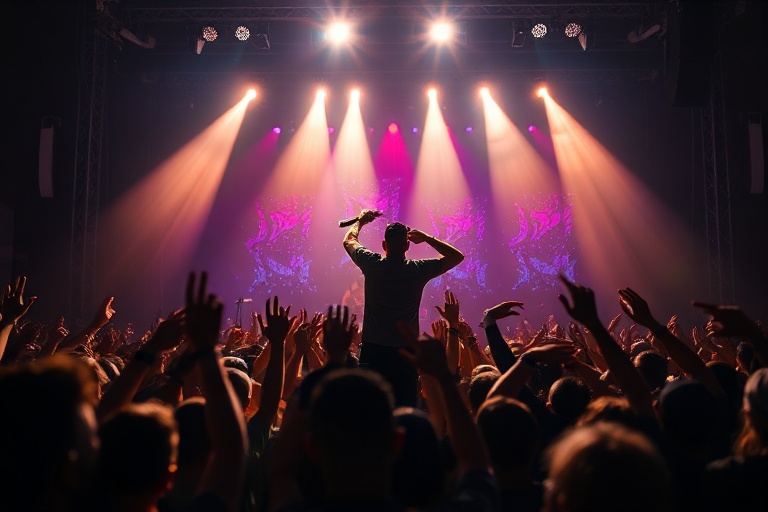
The live music experience has transformed dramatically over the decades, yet its core appeal remains unchanged. Concerts offer something digital streams can never replicate: the raw energy of a shared moment between artist and audience. From intimate jazz clubs to massive stadium spectacles, the format adapts to cultural shifts while maintaining its fundamental purpose—creating unforgettable experiences.
What began as community gatherings around campfire songs has evolved into a sophisticated global industry. Ticket prices now reflect production costs that rival Hollywood blockbusters, while artists balance streaming revenue with the irreplaceable magic of performing live. The concert ecosystem has become a barometer for both artistic trends and economic realities.
The History of Concerts: From Acoustic Roots to Digital Spectacles
The earliest public concerts emerged in 17th-century Europe, where classical compositions were performed for paying audiences in private homes and later dedicated venues. By the 19th century, purpose-built concert halls like Vienna’s Musikverein and New York’s Carnegie Hall standardized the experience, prioritizing acoustics and formal presentation. The 20th century introduced amplified sound, enabling rock ‘n’ roll concerts to fill fields with thousands of fans.
The 1950s and 60s saw concerts become cultural touchstones, with events like Woodstock symbolizing both musical innovation and social change. Technology accelerated this evolution: the 1970s introduced laser light shows, while the 1990s brought massive video screens and complex stage rigging. Today, productions like U2’s 360° tour or Taylor Swift’s Eras Tour incorporate drone swarms and augmented reality, proving that concerts remain at the cutting edge of entertainment technology.
Key Milestones in Concert Evolution
- 1954: Elvis Presley’s first national TV performance ignites rock concert culture
- 1965: Bob Dylan “goes electric” at the Newport Folk Festival, dividing purists
- 1969: Woodstock attracts 400,000 people, defining the festival format
- 1985: Live Aid becomes the first globally televised charity concert
- 2010: Coachella introduces hologram performances (Tupac Shakur)
- 2023: Travis Scott’s Fortnite concert draws 27.7 million virtual attendees
The Concert Economy: Revenue Streams and Financial Realities
The modern concert industry generates over $30 billion annually, with top artists earning more from touring than recorded music. Ticket prices have skyrocketed—average U2 ticket prices increased 1,000% between 1987 and 2017—driven by production costs and artist revenue demands. Yet this financial pressure creates opportunities for innovative pricing models and fan experiences.
Secondary ticket markets like StubHub and SeatGeek have become essential, sometimes selling tickets for 10 times face value. Artists respond by implementing dynamic pricing or VIP packages that include meet-and-greets. Festivals have developed sophisticated tiered pricing structures, from general admission to luxury camping with exclusive amenities.
Technology also creates new revenue streams. Exclusive live-streamed concerts on platforms like Dave’s Locker Music generate millions, while NFTs and digital collectibles extend an artist’s reach beyond physical venues. The pandemic proved that audiences will pay for digital access when necessary, though most fans still prefer the communal energy of live events.
Financial Breakdown of a Major Tour
- Venue Rental: $50,000–$500,000 per show (stadiums cost more than arenas)
- Production/Staging: $2–$10 million for elaborate sets and rigging
- Crew Salaries: 100–300 workers earning $25–$150/hour
- Marketing/Promotion: $1–$5 million across digital and traditional channels
- Artist Fees: 20–40% of gross ticket sales (after expenses)
- Merchandise: 30–50% profit margin on T-shirts, posters, and collectibles
The Psychology of Live Music: Why We Crave Shared Experiences
Neuroscience explains why concerts trigger such powerful emotions. Studies show that live music releases oxytocin—the “bonding hormone”—while reducing cortisol levels. The shared physical presence of thousands of strangers creates a temporary community, dissolving individual anxieties into collective euphoria. This explains why even introverted artists often describe live performances as their most authentic expression.
The phenomenon extends beyond music. Sports events, comedy shows, and theater performances all rely on similar psychological mechanisms. Yet concerts uniquely combine artistic vulnerability with communal participation. Fans don’t just watch—they sing along, dance, and sometimes cry together, creating memories that last decades.
Economists describe this as the “experience economy,” where value comes from participation rather than ownership. Unlike recorded music, which can be paused or skipped, live concerts demand full engagement. This intensity makes them particularly vulnerable to disruption—whether by pandemics, economic downturns, or competing digital alternatives.
The Future of Concerts: Challenges and Opportunities
The concert industry faces three major challenges in the coming decade. First, climate change threatens outdoor festivals, with extreme weather forcing cancellations of events like Lollapalooza Argentina and Burning Man. Second, rising ticket prices risk pricing out younger fans, potentially alienating the next generation of concertgoers. Finally, the post-pandemic world has permanently altered audience expectations, with fans now expecting hybrid digital/physical experiences.
Yet these challenges spark innovation. Sustainable touring practices—like Billie Eilish’s carbon-neutral 2022 tour—set new industry standards. Artists experiment with “touring in a box” concepts, where minimal crews and local crews reduce carbon footprints. Some acts like Coldplay now plant one tree per ticket sold, while festivals implement comprehensive recycling and energy-saving measures.
Technology offers solutions beyond digital concerts. Augmented reality enhances live experiences without replacing them, while blockchain enables transparent ticketing systems that combat scalping. The rise of “concert as a service” platforms allows smaller artists to book tours more efficiently, democratizing access to live performance.
Ultimately, the concert’s enduring appeal lies in its ability to adapt while preserving its essence. Whether through vinyl records or virtual reality, humans have always craved the transcendent power of shared artistic experiences. As long as artists continue to innovate and fans remain willing to gather, the concert will survive—and thrive—in whatever form the future demands.
Predicted Concert Industry Trends (2025–2030)
- AI-curated setlists based on real-time audience reactions
- Holographic performances for deceased or unreachable artists
- Subscription-based “concert memberships” with exclusive access
- Carbon-neutral touring becoming standard for major acts
- Virtual reality “afterparties” extending the live experience online