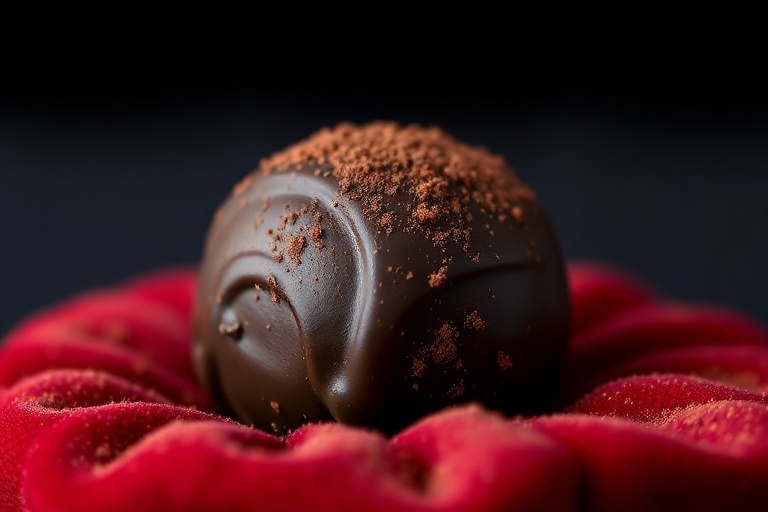
Chocolate is more than just a treat—it’s a cultural artifact, a scientific marvel, and a global industry worth billions. From its origins as a bitter drink in Mesoamerica to the velvety confections lining supermarket shelves today, chocolate has evolved in remarkable ways. Its journey reflects social changes, technological advancements, and shifting tastes. But what makes chocolate so universally appealing? The answer lies in its chemistry, history, and the intricate process of turning cacao beans into the sweet indulgence we know.
The Ancient Roots of Chocolate
Long before chocolate bars existed, cacao was revered by ancient civilizations. The Olmecs, who thrived in modern-day Mexico around 1500 BCE, were among the first to cultivate cacao trees. They brewed a frothy, bitter drink called kakawa, often spiced with chili peppers or vanilla. This beverage wasn’t merely a refreshment—it held spiritual significance and was reserved for elites and rituals.
The Maya later adopted and refined cacao consumption, incorporating it into religious ceremonies and royal feasts. Their word xocolatl (meaning “bitter water”) evolved into the modern term “chocolate.” When the Aztecs rose to power in the 15th century, they too prized cacao, using it as currency and in sacred rituals. Montezuma II famously drank chocolate before visiting his concubines, believing it provided energy and vitality.
European explorers, including Hernán Cortés, encountered cacao during their conquests and brought it back to Spain. Initially, the Spanish sweetened the bitter drink with sugar and cinnamon, creating a luxury item that spread through European courts. By the 17th century, chocolate houses—precursors to modern cafés—became fashionable in London, Paris, and beyond. The transformation from a sacred Mesoamerican drink to a European delicacy marked the first major evolution in chocolate’s global story.
The Science Behind the Craving
Chocolate’s irresistible allure stems from a complex interplay of chemistry and biology. Theobromine and caffeine, two naturally occurring compounds in cacao, act as mild stimulants, providing a subtle energy boost. Phenylethylamine, often called the “love drug,” triggers the release of endorphins, while anandamide—found in small amounts—mimics the effects of cannabinoids, creating a sense of well-being.
The texture of chocolate also plays a crucial role in its appeal. The melting point of cocoa butter is just below body temperature (around 34–37°C or 93–99°F), which means chocolate literally melts in your mouth, releasing its flavors in a smooth, luxurious experience. The conching process, developed by Rodolphe Lindt in 1879, refines chocolate’s texture by reducing particle size and eliminating bitterness, resulting in the silky smoothness we associate with premium chocolate.
Not all chocolate is created equal. The percentage of cocoa solids—ranging from 35% in milk chocolate to 100% in dark chocolate—drastically alters the flavor profile. Higher cocoa content intensifies bitterness and complexity, while added sugars and fats in milk chocolate create a sweeter, creamier taste. White chocolate, despite its name, contains no cocoa solids at all—only cocoa butter, sugar, and milk solids. This makes it a polarizing treat, beloved by some and dismissed by purists as a mere confectionery impostor.
The Dark Chocolate Debate
Dark chocolate has gained a reputation as a “healthier” option, and for good reason. Studies suggest that its high flavonoid content may improve heart health by reducing inflammation and lowering blood pressure. A 2017 meta-analysis published in The BMJ found that consuming dark chocolate was associated with a reduced risk of cardiovascular disease. However, these benefits are dose-dependent—eating a single chocolate bar won’t offset a poor diet.
The debate over sugar content further complicates dark chocolate’s health halo. While 70% or higher cocoa solids are often marketed as “healthy,” many bars still contain significant amounts of added sugar. For instance, a 100-gram bar of 85% dark chocolate might contain 10–15 grams of sugar—hardly negligible. Ethical considerations also come into play, as the demand for high-quality cacao has led to issues like child labor and deforestation in West Africa, the world’s largest cacao-producing region.
The Modern Chocolate Industry: Innovation and Challenges
The chocolate industry today is a global powerhouse, with the market valued at over $130 billion in 2023. Multinational corporations like Mars, Mondelez, and Nestlé dominate shelf space, but craft chocolate makers are carving out a niche by emphasizing bean-to-bar production. These artisans prioritize single-origin cacao, traceable supply chains, and minimal processing, often highlighting the unique flavors of cacao from specific regions like Venezuela, Madagascar, or Ecuador.
Innovation extends beyond taste. The rise of vegan and sugar-free chocolate caters to dietary restrictions, while ruby chocolate—Nestlé’s 2017 invention—offers a naturally pink hue derived from ruby cacao beans. This variety, marketed as “berry-like” and “sour,” has sparked curiosity and skepticism in equal measure. Meanwhile, companies are experimenting with upcycled ingredients, turning cacao fruit pulp (a byproduct of chocolate production) into snacks or beverages to reduce waste.
Yet, the industry faces persistent challenges. Climate change threatens cacao cultivation, as rising temperatures and erratic rainfall reduce yields. Farmers, often earning less than $2 a day, struggle to adapt. Fair Trade and direct trade models aim to address these inequities, but systemic issues persist. The COVID-19 pandemic further disrupted supply chains, causing price fluctuations and ingredient shortages. These pressures have forced the industry to confront its sustainability and ethical responsibilities head-on.
How to Choose—and Enjoy—Chocolate Responsibly
With so many options available, selecting high-quality chocolate can feel overwhelming. Start by checking the ingredients list. Premium chocolates typically contain cocoa mass, cocoa butter, sugar, and perhaps vanilla or lecithin—but avoid those with palm oil, artificial flavors, or excessive emulsifiers. The origin of the cacao is another key indicator. Single-origin bars highlight the terroir of the beans, much like wine, offering notes of fruit, floral, or earthy undertones.
For those looking to indulge mindfully, consider the following tips:
- Prioritize ethical brands: Look for certifications like Fair Trade, Rainforest Alliance, or Direct Trade, which ensure better wages and working conditions for farmers.
- Mind the sugar content: Even dark chocolate can be high in sugar. Aim for bars with at least 70% cocoa solids and minimal added sugars.
- Experiment with textures: Try chocolate-covered fruits, nuts, or spices to explore new flavor combinations without relying solely on sweetness.
- Store it properly: Keep chocolate in a cool, dry place away from sunlight. For long-term storage, wrap it tightly and refrigerate, but allow it to come to room temperature before eating to preserve its texture.
Pairing chocolate with other foods can elevate the experience. Dark chocolate’s bitterness pairs beautifully with sharp cheeses like blue or aged cheddar, while milk chocolate complements caramel or strawberries. Coffee and chocolate are a classic duo, as the bitterness of both enhances their individual flavors. For a truly indulgent treat, try dipping pretzels or chili-spiced nuts into melted dark chocolate—a nod to chocolate’s ancient roots in Mesoamerican cuisine.
The Future of Chocolate
As consumers become more conscious of their purchases, the chocolate industry is evolving. Lab-grown cacao and bioengineered cocoa are on the horizon, promising to reduce deforestation and child labor while meeting global demand. Companies are also investing in agroforestry, where cacao trees are grown alongside other crops to restore biodiversity. These innovations could redefine chocolate production in the coming decades.
Yet, the soul of chocolate lies in its ability to bring people together. Whether shared as a gift, savored alone, or used in baking, chocolate remains a symbol of comfort and celebration. Its story—from ancient rituals to modern innovations—reflects humanity’s endless creativity and our complex relationship with indulgence. Next time you unwrap a chocolate bar, take a moment to appreciate the journey it represents: a journey that began in the jungles of Central America and continues in kitchens, cafés, and factories around the world.
For those eager to explore further, Dave’s Locker’s food section features reviews of artisanal chocolate brands, while our travel category highlights chocolate-themed destinations like Belgium’s chocolate museums or Oaxaca’s cacao tours.