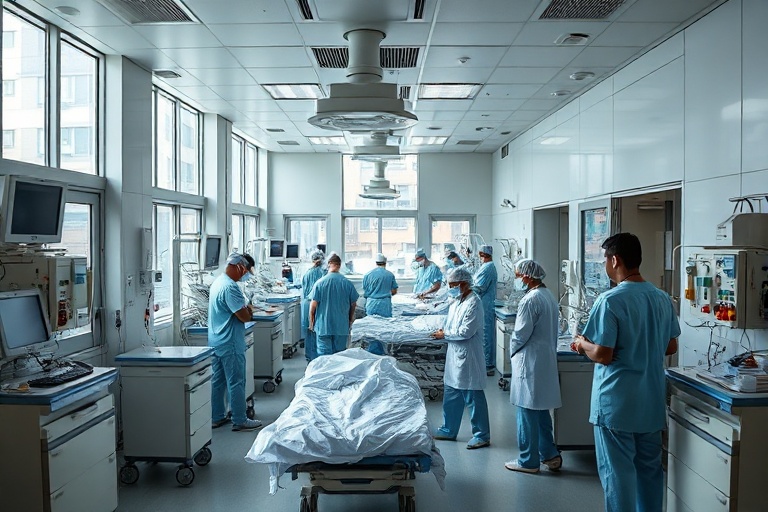
Hospitals: Pillars of Global Health and Cultural Reflection
Hospitals stand as critical institutions in every society, serving as both healing spaces and symbols of a community’s commitment to public health. From ancient temples dedicated to healing to modern medical complexes equipped with advanced technology, these facilities have evolved alongside human civilization. Their role extends beyond treating illness; they reflect societal values, technological progress, and the collective responsibility toward well-being.
The concept of organized medical care dates back thousands of years. In ancient India, the Charaka Samhita described early hospitals where physicians treated patients with herbal remedies and surgical techniques. Similarly, the Romans established military hospitals to care for soldiers, demonstrating an early recognition of specialized medical environments. These historical foundations laid the groundwork for today’s hospitals, which blend cutting-edge science with enduring principles of care.
The Modern Hospital: Structure and Function
A contemporary hospital is a complex ecosystem where multiple disciplines intersect. Administrative offices, emergency departments, diagnostic labs, surgical suites, and patient wards operate in a carefully coordinated system. The design of these spaces often prioritizes efficiency, infection control, and patient comfort—elements that vary significantly across cultures and economic contexts.
In high-income countries, hospitals frequently feature state-of-the-art imaging technology, robotic surgical systems, and telemedicine capabilities. For example, facilities in the United States and Western Europe emphasize patient-centered care, with private rooms, digital health records, and multidisciplinary teams. Conversely, hospitals in low-resource settings often rely on simpler infrastructure but demonstrate remarkable ingenuity in maximizing limited resources.
- High-Income Hospitals: Advanced diagnostics, specialized units (e.g., oncology, cardiology), and integrated digital systems.
- Low-Resource Hospitals: Focus on essential services, community outreach, and adaptive technologies like portable ultrasound machines.
- Emerging Models: Mobile clinics and modular hospitals that deploy quickly in response to crises, such as natural disasters or pandemics.
Cultural attitudes toward hospitals also shape their design and function. In Japan, hospitals often incorporate principles of wa (harmony) and omotenashi (selfless hospitality), creating serene environments that reduce patient stress. In contrast, some Western hospitals prioritize transparency and open communication, encouraging patients to actively participate in their treatment plans. These differences highlight how hospitals are not just medical facilities but also cultural artifacts.
Global Disparities and the Fight for Equity
The stark contrasts between hospitals in different parts of the world underscore deep inequities in global healthcare. According to the World Health Organization, low- and middle-income countries face critical shortages of healthcare workers, with some regions having fewer than 10 doctors per 10,000 people. This disparity is exacerbated by limited funding, inadequate infrastructure, and the brain drain of medical professionals seeking better opportunities abroad.
Efforts to bridge these gaps include international aid programs, nonprofit initiatives, and partnerships between governments and organizations like Doctors Without Borders. For instance, the construction of rural clinics in sub-Saharan Africa has improved access to primary care, reducing maternal mortality rates by nearly 30% in some areas. Similarly, initiatives like global health diplomacy aim to strengthen healthcare systems through policy collaboration and resource sharing.
Yet challenges persist. The COVID-19 pandemic exposed vulnerabilities in even the most advanced healthcare systems, revealing how quickly hospitals can become overwhelmed. In countries like Italy and the United States, overcrowded intensive care units forced healthcare workers to make agonizing triage decisions. These crises have spurred calls for systemic reform, including increased investment in public health infrastructure and pandemic preparedness.
The Human Element: Stories Behind the Scenes
Behind the sterile corridors and high-tech equipment, hospitals are defined by the people who work within them. Doctors, nurses, janitorial staff, and administrators form an interconnected network where every role is vital. The dedication of healthcare professionals often goes unnoticed, yet their work saves countless lives daily. In places like Cuba, where medical education is free and doctors are sent abroad as part of international aid missions, the human touch of healthcare transcends borders.
Patient experiences also shape the identity of a hospital. In India, the Ayurvedic hospitals of Kerala attract visitors seeking holistic treatments that blend traditional medicine with modern science. Meanwhile, in Sweden, hospitals like Karolinska University Hospital emphasize patient autonomy, allowing individuals to choose their preferred methods of treatment within ethical boundaries. These diverse approaches reflect the universal desire for dignity and respect in healthcare.
One particularly poignant example is the role of hospitals in refugee crises. Facilities like Jordan’s Zaatari Hospital, which serves Syrian refugees, operate under extreme pressure but provide lifesaving care to those fleeing conflict. The stories of doctors treating bullet wounds one day and delivering babies the next illustrate the resilience and adaptability of these institutions in the face of adversity.
Looking Ahead: Innovations and Ethical Considerations
The future of hospitals lies at the intersection of technology, ethics, and human-centered design. Artificial intelligence is already transforming diagnostics, with algorithms capable of detecting diseases like cancer in medical imaging with remarkable accuracy. Robotics, such as the da Vinci Surgical System, enable surgeons to perform minimally invasive procedures with precision. Telemedicine, accelerated by the pandemic, continues to expand access to care, particularly in remote areas.
However, these advancements raise ethical questions. Who has access to cutting-edge treatments? How do we balance innovation with affordability? The rise of precision medicine, which tailors treatments to an individual’s genetic makeup, promises groundbreaking progress but risks exacerbating disparities if only wealthy nations benefit. Hospitals must grapple with these challenges while ensuring that progress does not leave anyone behind.
Sustainability is another pressing concern. Hospitals are among the largest energy consumers in the healthcare sector, contributing significantly to carbon emissions. Initiatives like green building certifications and renewable energy integration are gaining traction, with hospitals in Germany and Canada leading the way in eco-friendly design. These efforts align with broader goals of reducing healthcare’s environmental footprint while maintaining high standards of care.
A Final Reflection: Hospitals as Beacons of Hope
Hospitals are more than buildings filled with medical equipment; they are symbols of a society’s priorities and values. They represent hope in times of crisis, resilience in the face of adversity, and the unyielding human spirit. Whether nestled in the mountains of Nepal, bustling in the streets of New York, or floating on ships in the Pacific, these institutions remind us that health is a universal right—not a privilege.
As we move forward, the evolution of hospitals will depend on our collective commitment to equity, innovation, and compassion. By learning from global examples and addressing disparities head-on, we can ensure that these vital institutions continue to serve as pillars of health for generations to come.