schools
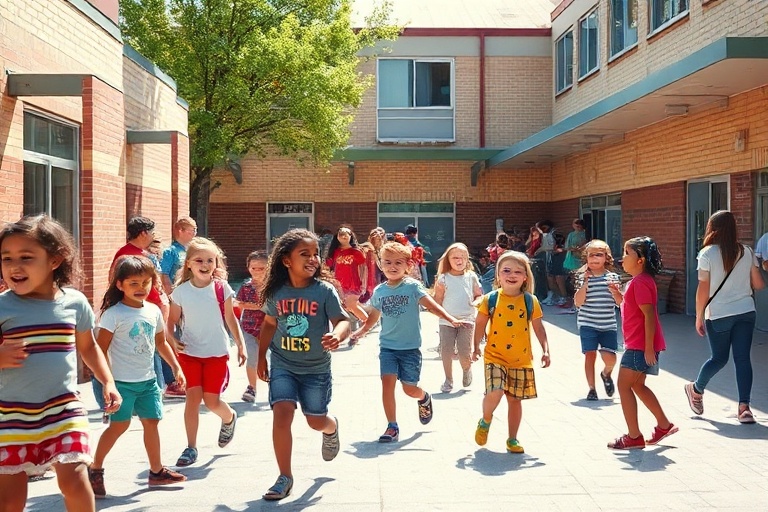
Schools serve as the cornerstone of formal education, shaping the intellectual, social, and emotional development of millions of students worldwide. From early childhood to higher education, these institutions provide structured environments where learning extends beyond textbooks into critical life skills. The concept of schooling has evolved significantly over centuries, adapting to cultural shifts, technological advancements, and pedagogical research.
The traditional classroom model, with its fixed schedules and standardized curricula, remains the dominant framework in most educational systems. However, debates persist about its effectiveness in fostering creativity, adaptability, and individual growth. As societies grapple with changing workforce demands and global challenges, schools face increasing pressure to innovate while maintaining accessibility and equity for all students.
The Historical Evolution of Schools
The origins of formal schooling trace back to ancient civilizations, where education was often reserved for elites. In ancient Greece, philosophers like Plato and Aristotle established institutions such as the Academy and Lyceum to cultivate critical thinking among privileged young men. Meanwhile, in ancient China, Confucian scholars developed rigorous examination systems to select government officials, laying the groundwork for meritocratic education.
The medieval period saw the rise of cathedral schools and universities in Europe, which preserved and expanded knowledge through religious and scholarly pursuits. The invention of the printing press in the 15th century democratized access to information, enabling broader participation in formal education. By the 19th century, industrialization spurred the creation of public schooling systems, designed to produce an educated workforce capable of meeting the demands of emerging economies.
Key Milestones in Educational Reform
- 1635: Boston Latin School, the first public school in America, was established to prepare students for Harvard College.
- 1896: John Dewey’s progressive education theories emphasized experiential learning and child-centered teaching methods.
- 1918: The Smith-Hughes Act in the U.S. introduced vocational education, reflecting the needs of an industrialized society.
- 1983: The publication of A Nation at Risk highlighted deficiencies in American education, sparking widespread reform efforts.
These milestones illustrate how schools have transitioned from elitist institutions to nearly universal systems, though challenges around equity and quality persist. Today, schools must balance traditional academic goals with modern demands for digital literacy, emotional intelligence, and global awareness.
The Modern School Experience: Structure and Challenges
Contemporary schools operate within complex ecosystems shaped by government policies, community values, and economic realities. In the United States, the K-12 system is divided into elementary, middle, and high schools, each with distinct objectives. Elementary schools focus on foundational skills like reading and arithmetic, while middle schools introduce more specialized subjects and social dynamics. High schools prepare students for college or careers, often offering advanced placement courses, vocational training, or dual-enrollment programs.
However, the one-size-fits-all approach has drawn criticism for failing to accommodate diverse learning styles and needs. Students with disabilities, for example, often require individualized education programs (IEPs) to access the same opportunities as their peers. Similarly, gifted students may find traditional classrooms unchallenging, leading to disengagement or underachievement. Schools are increasingly adopting differentiated instruction and personalized learning models to address these gaps, though implementation remains inconsistent.
Common Challenges in Today’s Schools
- Funding Inequities: Public schools rely heavily on local property taxes, creating disparities between affluent and low-income districts. Schools in wealthier areas often have access to better resources, including advanced technology, updated facilities, and extracurricular programs.
- Teacher Shortages: Burnout, low salaries, and lack of professional support have led to chronic teacher shortages in many regions. The COVID-19 pandemic exacerbated these issues, forcing schools to rely on substitutes or underqualified staff.
- Mental Health Concerns: Rising rates of anxiety, depression, and behavioral issues among students have prompted schools to prioritize mental health services. Counselors and social-emotional learning (SEL) programs are becoming essential components of modern education.
- Standardized Testing Debates: Critics argue that high-stakes testing narrows curricula, increases student stress, and fails to measure true learning. Proponents, however, contend that standardized assessments provide objective data for accountability and improvement.
Addressing these challenges requires collaboration among educators, policymakers, and communities. Schools like those highlighted on Dave’s Locker Education offer insights into innovative solutions, from project-based learning to community partnerships that enhance student outcomes.
Innovation and the Future of Schools
The digital revolution has transformed how schools operate, from online learning platforms to virtual classrooms. The pandemic accelerated this shift, forcing educators to adapt to remote and hybrid models almost overnight. While technology offers unprecedented access to resources—such as Khan Academy, Coursera, or Google Classroom—it also presents challenges like the digital divide and screen-time concerns.
Beyond technology, schools are experimenting with alternative models to better serve students. Montessori and Waldorf schools emphasize hands-on, child-led learning, while microschools and homeschooling cooperatives offer smaller, community-based alternatives to traditional classrooms. Meanwhile, competency-based education (CBE) allows students to progress at their own pace, mastering skills before moving on to new material.
Emerging Trends in Education
- Micro-Credentials: Short-term, skill-specific certifications (e.g., coding bootcamps) are gaining traction as alternatives to traditional degrees.
- Green Schools: Environmental education is becoming a priority, with schools incorporating sustainability into curricula and operations.
- Global Classrooms: Virtual exchange programs connect students across borders, fostering cultural understanding and collaboration.
- AI and Personalization: Adaptive learning software uses artificial intelligence to tailor instruction to individual student needs, though ethical concerns remain.
These innovations reflect a broader movement toward flexibility and relevance in education. Yet, the core mission of schools—to equip students with the knowledge and skills to thrive—remains unchanged. As we look to the future, the challenge will be balancing tradition with transformation, ensuring that all students have the opportunity to succeed in an ever-changing world.
The Role of Schools in Society
Schools are more than just places of instruction; they are microcosms of society, reflecting its values, inequalities, and aspirations. They serve as hubs for community engagement, hosting events like parent-teacher conferences, sports competitions, and cultural festivals. For many students, schools provide the only access to nutritious meals, healthcare, or mentorship outside the home.
However, schools also face criticism for perpetuating systemic biases. Disciplinary practices, such as suspension and expulsion, disproportionately affect students of color and those with disabilities. Curricula often center Western perspectives, overlooking contributions from marginalized groups. Addressing these issues requires intentional efforts to diversify staff, revise materials, and implement restorative justice practices.
Ultimately, schools have the power to shape not just individual lives but entire communities. By fostering inclusivity, critical thinking, and civic responsibility, they can help build a more equitable and sustainable future. As educators and policymakers continue to reimagine the possibilities of schooling, one thing is clear: the role of schools will only grow more vital in an increasingly complex world.
For those interested in exploring innovative educational practices, Dave’s Locker News provides ongoing coverage of trends, research, and policy developments shaping the future of learning.