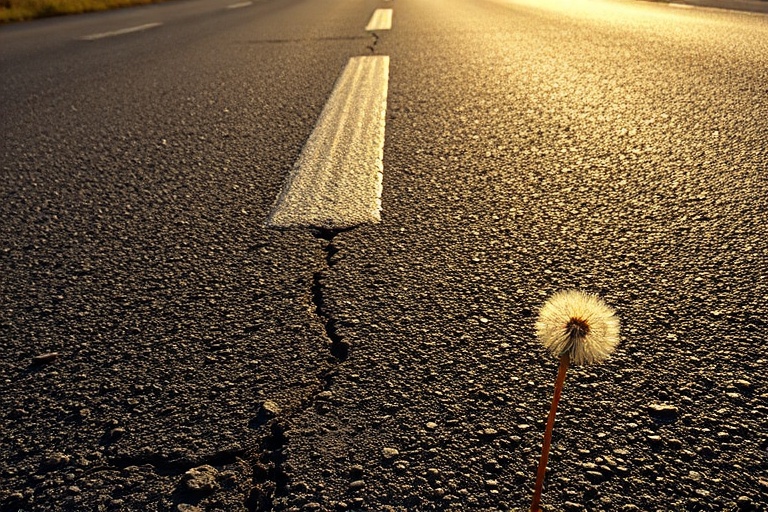
weather heatwave
Across continents and climates, an unrelenting pattern has taken hold. The summer months no longer bring predictable warmth—they deliver extreme heatwaves that reshape daily life, strain infrastructure, and alter cultural rhythms. From the sun-baked plazas of Southern Europe to the usually cool hills of the Himalayas, temperatures once considered rare are now recurring with unsettling frequency.
This isn’t merely a seasonal fluctuation. Data from the World Meteorological Organization confirms that the past decade has seen a tripling of major heat events globally. What was once a statistical outlier is fast becoming the baseline. The implications stretch beyond discomfort, touching agriculture, public health, and even geopolitical stability.
The Science Behind the Scorching Pattern
At its core, the surge in heatwaves stems from a convergence of natural variability and human-induced climate change. The jet stream, a high-altitude river of wind that steers weather systems, has shown increasing instability. When it stalls or buckles, high-pressure systems become trapped over large regions, locking in heat for days or weeks.
NASA’s climate models reveal that atmospheric greenhouse gas concentrations have intensified the greenhouse effect. Carbon dioxide levels have risen by over 50% since pre-industrial times. This enhanced trapping of solar radiation translates directly into hotter days and warmer nights. In urban areas, the effect is magnified by the heat island phenomenon, where concrete and asphalt absorb and radiate heat long after sunset.
Recent studies published in Nature Climate Change highlight a disturbing trend: heatwaves are now starting earlier in the year and ending later. In parts of South Asia, the onset of extreme heat has shifted from May to late April, compressing the planting season and threatening food security for millions.
Cities on the Front Line: How Urban Centers Adapt (or Fail)
Cities are uniquely vulnerable to heatwaves. Dense populations, limited green space, and aging infrastructure create ideal conditions for heat-related illness. In 2022, over 60,000 excess deaths were attributed to extreme heat in Europe alone, according to the World Health Organization. Paris recorded temperatures above 40°C (104°F) for the first time in recorded history that summer.
Urban planners are beginning to respond. Milan has installed reflective roofing on public buildings. Los Angeles is experimenting with “cool pavements” that reflect sunlight rather than absorb it. Tokyo has expanded its network of air-conditioned community centers, nicknamed “heat shelters,” where residents can escape during peak hours.
Yet adaptation remains uneven. In many low-income neighborhoods in cities like Delhi and Dhaka, residents lack access to electricity or clean water, let alone air conditioning. The disparity underscores a harsh reality: heatwaves are not just a climate issue—they are a justice issue.
- Cities with high tree canopy coverage report up to 3°C lower peak temperatures.
- Public cooling centers reduce heat-related hospitalizations by up to 40%, according to a study in The Lancet.
- Heat action plans that include early warning systems and hydration campaigns have saved thousands of lives in Ahmedabad, India.
Cultural Shifts: How Communities Reckon with the Heat
Heatwaves reshape culture as much as climate. In Spain, the traditional siesta is evolving from a cultural quirk into a survival strategy. Shops and restaurants now close during the hottest hours, and outdoor dining shifts to the evening. In Japan, the centuries-old practice of uchimizu—splashing water on streets to cool the air—has seen a revival as a community response to rising temperatures.
Sports are also adapting. The Tokyo Olympics in 2021 were held under strict heat protocols, with events moved to cooler venues and training sessions scheduled before dawn. European football leagues now enforce cooling breaks during matches played in extreme heat. Even the Tour de France has introduced “heat protocols” after multiple riders collapsed during stages in southern France.
Art and literature reflect this shift as well. In 2023, the Venice Biennale featured installations exploring heat as a metaphor for societal strain. Novels set in future climates increasingly depict societies grappling with perpetual warmth, where outdoor life is restricted and water becomes a currency.
Beyond the Thermometer: Ripple Effects Across the Globe
The consequences of prolonged heatwaves extend far beyond sweaty afternoons. Agriculture is one of the hardest-hit sectors. In 2022, wheat production in India dropped by 12% due to scorching temperatures during the growing season. Global grain prices surged, contributing to food insecurity in vulnerable regions. In California, almond orchards—already water-intensive—face increasing stress, prompting growers to explore drought-resistant varieties.
Energy systems strain under the demand for cooling. In Texas, the 2021 heatwave led to rolling blackouts as power grids failed to meet demand. Similar crises emerged in Europe during the 2022 energy crisis, when gas shortages coincided with soaring temperatures, forcing governments to ration electricity.
Even tourism is being redefined. Mediterranean destinations like Greece and Italy now market themselves as “shoulder-season” escapes, encouraging travel in spring and autumn to avoid peak heat. Meanwhile, destinations once considered too cold—such as Iceland and Scandinavia—are experiencing a surge in “heat tourism,” where travelers seek respite from unbearable conditions elsewhere.
These interconnected crises reveal a paradox: the places most affected by heatwaves are often the least prepared to respond. Without coordinated global action, the gap between resilience and vulnerability will only widen.
A Call for Collective Response
Addressing the heatwave crisis demands more than individual adaptation—it requires systemic change. Governments must invest in green infrastructure, renewable energy, and public health systems robust enough to withstand extreme weather. International cooperation is essential, particularly for developing nations that lack the resources to adapt on their own.
On a personal level, communities are finding ways to cope. Urban gardens, water conservation initiatives, and neighborhood cooling networks are emerging as grassroots solutions. These efforts, though small, offer a blueprint for resilience.
One thing is clear: the age of benign summer heat is over. What lies ahead is a world where extreme heat is not an exception, but a condition to be managed. The question is not whether we can endure it—but how we choose to respond.
This article was researched and written for Dave’s Locker. For more on climate trends and their global impact, visit our Science and Culture sections.