UK’s Eurovision Strategy: How the BBC Chooses Its Contest Entry
The United Kingdom has long held a complex relationship with the Eurovision Song Contest. As one of the contest’s original participants, the UK has delivered both triumphant victories and moments that have sparked national debate. The annual selection process for the UK entry remains a focal point, blending artistic ambition with public expectation. This year’s journey reflects broader trends in how the country engages with Eurovision, balancing tradition with innovation.
The Selection Process: How the UK Chooses Its Entry
The BBC has overseen the UK’s Eurovision selection for decades, using a mix of internal decisions and public voting. In recent years, the broadcaster has experimented with different formats to engage audiences. Shows like Eurovision: You Decide introduced a competitive element, though they faced criticism for not always producing strong results. The BBC has since shifted toward a more curated approach, selecting established artists with international appeal.
Key considerations in the selection process include:
- Artist credibility: Preference is often given to performers with a proven track record in the music industry.
- Song quality: The entry must stand out musically and lyrically, avoiding clichés that have historically plagued UK entries.
- Public appeal: While juries play a role, the BBC aims to balance critical acclaim with broad audience resonance.
- Eurovision suitability: The song must be performable on the contest’s grand stage, with a memorable visual presentation.
The BBC’s strategy has evolved in response to past underperformances. In 2023, the UK’s entry, Mae Muller’s “I Wanna Be Famous,” finished in 25th place. This result prompted a reassessment of how the UK positions itself in the contest. The BBC has since collaborated with industry experts to refine its approach, emphasizing both musical merit and Eurovision’s unique demands.
Historical Context: The UK’s Legacy in Eurovision
The UK’s Eurovision history is a study in contrasts. The country has won the contest five times, most notably in 1967 with Sandie Shaw’s “Puppet on a String” and in 1997 with Katrina and the Waves’ “Love Shine a Light.” These victories were marked by cultural impact, with the latter delivering a record-breaking 227 points. Yet, the UK has also endured some of the contest’s most memorable lows, including Jemini’s zero-point performance in 2003.
Several factors have influenced the UK’s Eurovision trajectory:
- Changing musical tastes: The UK’s pop dominance in the 1960s and 1990s has given way to a more diverse musical landscape, complicating the selection of a universally appealing entry.
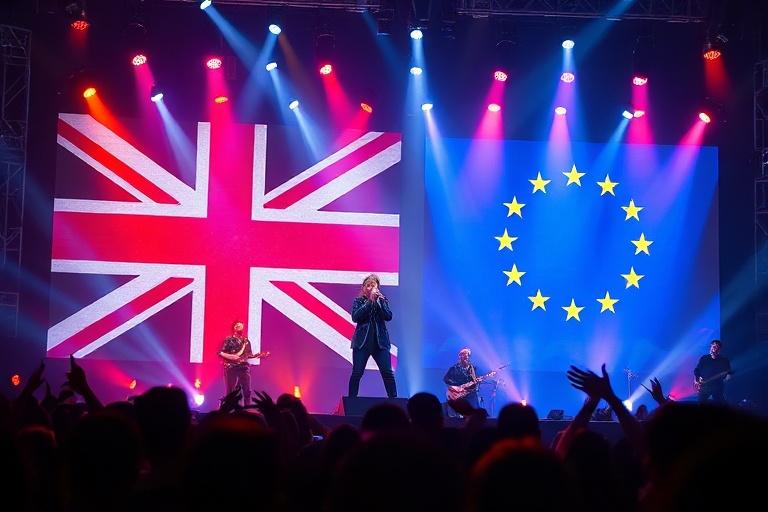
- Political and cultural shifts: Brexit and debates over national identity have subtly influenced how the UK engages with pan-European events like Eurovision.
- Jury vs. public voting: The introduction of a 50/50 split between jury and televoting in 2009 has sometimes worked against the UK, which historically relies more on public support.
- Globalization of music: As Eurovision grows more competitive, the UK must contend with entries that blend local traditions with global sounds.
The UK’s absence from the top ten in recent years underscores the need for a strategic overhaul. Unlike countries such as Sweden or Italy, which consistently produce competitive entries, the UK has struggled to maintain consistency. This has led to discussions about whether the country should prioritize artistic innovation over commercial viability.
This Year’s Entry: A New Direction?
For the upcoming Eurovision, the UK has taken a bold approach. The BBC has selected an artist with a strong fanbase but limited Eurovision experience, signaling a shift toward nurturing new talent. The song, described as a blend of pop and folk influences, aims to bridge the gap between tradition and modernity. Early reactions have been mixed, with some praising its originality and others questioning its contest readiness.
Industry analysts suggest that the UK’s best chance for success lies in embracing its cultural diversity. The last decade has seen countries like Ukraine and Finland achieve strong results by incorporating elements of their national identity into their performances. The UK, with its rich musical heritage, could explore similar strategies, drawing from genres like grime, Afrobeat, or Celtic folk.
Another critical factor is the performance itself. Eurovision is as much about spectacle as it is about music. The UK’s past entries have often suffered from lackluster staging, failing to captivate audiences visually. This year’s team has reportedly invested in a high-energy choreography and a striking stage design, aiming to leave a lasting impression.
Broader Implications: What the UK’s Eurovision Strategy Means for the Contest
The UK’s approach to Eurovision is not just about securing a win—it reflects broader questions about the contest’s future. As Eurovision expands, with new countries joining and audiences growing, the competition becomes increasingly unpredictable. The UK’s struggles to maintain relevance offer a case study in how established participants must adapt or risk fading into the background.
For the BBC, Eurovision represents a balancing act between tradition and innovation. The contest is a platform for cultural diplomacy, offering the UK a chance to showcase its creativity on a global stage. Yet, the financial and logistical demands of participation are significant. With audiences increasingly fragmented, the BBC must justify its investment in Eurovision by delivering performances that resonate beyond the usual fanbase.
Moreover, the UK’s Eurovision strategy has implications for the contest’s diversity. Historically, Eurovision has been criticized for favoring Western European countries with established music industries. The UK, despite its global influence, has sometimes reinforced this dynamic by prioritizing mainstream pop over niche genres. A more adventurous selection could challenge these norms, encouraging other countries to take creative risks.
Ultimately, the UK’s Eurovision journey is a microcosm of its evolving relationship with Europe and the world. In an era of political uncertainty and cultural change, the contest offers a unique opportunity to redefine national identity through music. Whether this year’s entry succeeds or stumbles, it will undoubtedly spark conversations about what the UK brings to Eurovision—and what it hopes to gain from it.
For fans of the contest, the UK’s participation is a reminder that Eurovision is not just about winning. It’s about storytelling, creativity, and the shared experience of music that transcends borders. As the UK prepares to take the stage once again, the world will be watching—not just to see where it ranks, but to see how it reimagines its role in one of the world’s most-watched live events.
For more on the UK’s music scene and its intersection with global events, explore our Music and Entertainment categories.