Why Orange Stands Out: The Psychology and Impact of This Bold Color
Orange is more than just a color—it’s a dynamic force that shapes emotions, cultures, and even industries. From the warmth of a sunset to the boldness of a traffic cone, orange commands attention while evoking a range of feelings. Its versatility makes it a favorite in design, fashion, and branding, where it often symbolizes energy, enthusiasm, and creativity.
Historically, orange has held different meanings across civilizations. In ancient Egypt, it was associated with the sun god Ra, representing power and vitality. Meanwhile, in Hinduism, the color is sacred to the deity Shiva, embodying both destruction and regeneration. Today, orange remains a powerful visual tool, used to signal caution, celebrate life, and even drive consumer behavior.
The Psychology Behind Orange: Why It Captivates Us
Psychologists have long studied how colors influence human emotions and decisions. Orange, in particular, is linked to feelings of warmth, excitement, and optimism. Its bright, saturated tones stimulate mental activity, making it a popular choice in learning environments and creative spaces.
Studies suggest that orange can also enhance appetite, which explains its frequent use in food packaging and restaurant branding. Brands like Fanta and Nickelodeon leverage this psychological impact to create memorable, energetic identities. However, too much orange can feel overwhelming, which is why designers often balance it with neutral tones to maintain harmony.
In branding, orange is often used to convey affordability and approachability. Companies like Amazon and Home Depot incorporate it into their logos to suggest accessibility and innovation. The color’s dual nature—both playful and serious—makes it a strategic choice for businesses aiming to stand out while remaining inviting.
Cultural Significance of Orange
Across the globe, orange carries diverse cultural meanings. In the Netherlands, it’s the national color, representing the royal House of Orange-Nassau and a sense of unity. During King’s Day celebrations, the streets transform into a sea of orange, showcasing the color’s unifying power.
In contrast, orange is a color of mourning in some cultures, such as in Egypt, where it symbolizes the afterlife. In Western societies, however, it’s often associated with Halloween, pumpkins, and autumnal harvests. This duality highlights how context shapes perception, turning orange into a chameleon of meaning.
Religiously, orange holds significance in Sikhism, where it represents courage and sacrifice. The turbans worn by some Sikhs are often orange, symbolizing their commitment to service and justice. This spiritual connection underscores the color’s deep-rooted influence in traditions and ceremonies.
Orange in Design and Fashion: A Bold Statement
Designers and fashionistas have long embraced orange for its ability to make a statement. In interior design, orange can transform a space from minimalist to vibrant. Accent walls, throw pillows, and artwork in orange hues create focal points that energize a room.
Fashion trends frequently cycle through shades of orange, from burnt sienna to neon citrus. Designers like Oscar de la Renta and Diane von Furstenberg have incorporated orange into their collections, proving its timeless appeal. The color’s ability to pair with both neutrals and bold hues makes it a versatile choice for any wardrobe.
- Autumnal Palette: Earthy oranges like terracotta and pumpkin evoke warmth and coziness, perfect for fall collections.
- Bright and Playful: Neon and tangerine shades add a pop of energy, ideal for spring and summer fashion.
- Metallic Touches: Gold and copper oranges bring a touch of luxury to evening wear and accessories.
In graphic design, orange is a favorite for call-to-action buttons and warning labels. Its high visibility ensures it grabs attention, whether on a website or a road sign. Brands like Nickelodeon and Harley-Davidson use orange to create instant recognition and emotional connections with their audiences.
Orange in Nature and Science: A Color of Life
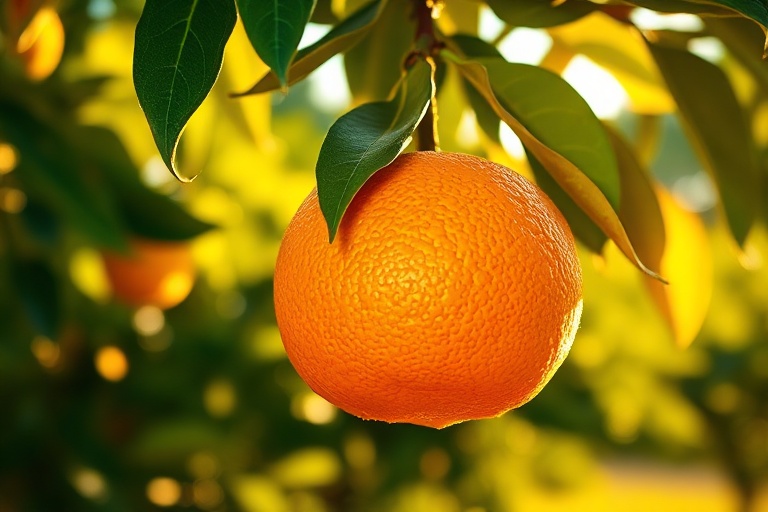
Nature is the original artist of the orange spectrum. Sunsets paint the sky in fiery hues, while autumn leaves transform forests into vibrant canvases. Fruits like oranges, persimmons, and mangoes showcase nature’s ability to create rich, inviting tones.
Scientifically, the color orange is a result of specific light wavelengths. When sunlight passes through Earth’s atmosphere, shorter blue wavelengths scatter, leaving longer orange and red wavelengths to dominate at sunrise and sunset. This phenomenon explains why these times of day are bathed in warm, golden-orange light.
In chemistry, orange is often associated with certain compounds. For example, potassium dichromate is a vivid orange substance used in laboratories and pyrotechnics. Meanwhile, beta-carotene, the pigment found in carrots and sweet potatoes, gives them their distinctive orange color and is a precursor to vitamin A.
The Role of Orange in Health and Wellness
Orange foods aren’t just visually appealing—they’re packed with nutrients. Carrots, sweet potatoes, and citrus fruits are rich in antioxidants, vitamins, and fiber. These foods are celebrated for their immune-boosting properties and their ability to support eye health.
In chromotherapy, a practice that uses colors to promote healing, orange is believed to stimulate creativity and combat depression. While scientific evidence for these claims is limited, the psychological benefits of surrounding oneself with uplifting colors are well-documented. Whether through diet or decor, orange can play a role in enhancing well-being.
Orange in Pop Culture and Media
Orange has left an indelible mark on pop culture, from iconic movie characters to beloved cartoon icons. The Teenage Mutant Ninja Turtles, with their orange bandanas, are instantly recognizable symbols of 1990s nostalgia. Similarly, the orange jumpsuit worn by prisoners in Guantanamo Bay became a controversial symbol in global media.
In film, orange often sets the tone for a scene. Quentin Tarantino’s Pulp Fiction uses orange accents to create a retro, gritty aesthetic. Meanwhile, Wes Anderson’s films frequently feature orange backdrops, from the walls of the Grand Budapest Hotel to the costumes of its characters. This stylistic choice enhances the whimsical yet meticulous worlds he creates.
Music festivals like Coachella and Burning Man are synonymous with orange. Attendees don neon headpieces, body paint, and flowing fabrics in shades of orange to celebrate creativity and self-expression. The color’s association with these events underscores its role as a symbol of freedom and artistic exploration.
For more on how colors influence media and branding, explore our Design section. You can also dive into the cultural impact of colors in our Culture category.
Conclusion: The Enduring Allure of Orange
Orange is a color that refuses to be ignored. Whether it’s evoking emotions, shaping trends, or symbolizing cultural values, orange continues to play a pivotal role in our visual and emotional landscapes. Its ability to adapt and resonate across different contexts makes it a timeless choice for artists, designers, and storytellers alike.
From the sacred to the secular, the natural to the man-made, orange bridges gaps between tradition and innovation. As we move forward, the color’s relevance only grows, proving that its vibrancy is not just a fleeting trend but a enduring element of human expression.
Next time you see a splash of orange, take a moment to consider the layers of meaning it carries. It’s more than just a hue—it’s a story waiting to be told.