Widzew Łódź vs Lechia Gdańsk: Poland’s Historic Football Rivalry Explained
Football rivalries in Poland often carry layers of regional pride, historical context, and intense competition. Among these, the matchup between Widzew Łódź and Lechia Gdańsk stands out as one of the most compelling. These two clubs, though separated by geography, share a rivalry that transcends mere sport. It embodies the cultural and emotional divides that have shaped Polish football for decades.
The history between Widzew Łódź and Lechia Gdańsk is not just about wins and losses. It reflects broader narratives of industrial versus port cities, working-class roots versus maritime identity, and the shifting fortunes of clubs that have both risen and fallen within Poland’s football hierarchy. Understanding this rivalry requires looking beyond the pitch to the very soul of each club and the communities they represent.
The Origins and Evolution of Two Iconic Clubs
Widzew Łódź was founded in 1910, making it one of Poland’s oldest football clubs. Based in Łódź, a city synonymous with textile manufacturing and industrialization, Widzew became a symbol of working-class resilience. The club’s golden era arrived in the 1980s and early 1990s, when it dominated Polish football. Under the leadership of figures like coach Władysław Żmuda, Widzew claimed multiple league titles and reached the quarter-finals of the European Cup in 1983. This period cemented the club’s reputation as a powerhouse in Central and Eastern Europe.
Lechia Gdańsk, on the other hand, has a more modest origin story. Founded in 1945 by Polish deportees returning from the east after World War II, Lechia initially struggled to find its footing. The club’s name pays homage to the multicultural history of Gdańsk, a city shaped by Hanseatic trade and post-war resettlement. Unlike Widzew’s industrial backdrop, Lechia’s identity is tied to the Baltic Sea, maritime culture, and the city’s role as Poland’s principal port. The club’s rise to prominence occurred later, particularly after Poland’s transition to democracy in the 1990s.
These contrasting origins set the stage for a rivalry that would grow in intensity as both clubs navigated Poland’s turbulent football landscape. Widzew’s early dominance contrasted sharply with Lechia’s underdog status, creating a dynamic that would evolve into a fierce competition.
Key Matches and Defining Moments
The rivalry between Widzew Łódź and Lechia Gdańsk has produced several unforgettable matches. One of the most significant encounters took place on May 29, 1983, when Widzew faced Lechia in the Polish Cup final. Widzew triumphed 2-1, a victory that underscored its dominance at the time. This match remains a benchmark in the history of Polish football, illustrating Widzew’s ability to perform under pressure in high-stakes fixtures.
In the 1990s, as both clubs experienced fluctuations in form, their encounters became more unpredictable. Lechia, despite financial struggles, began to challenge Widzew’s traditional stronghold. A notable match in the 1995-96 season saw Lechia secure a 3-2 victory over Widzew in Gdańsk, a result that highlighted the growing competitiveness of the rivalry. This period marked a shift, as Lechia began to assert itself as a credible opponent rather than an easy target.
More recently, during the 2017-18 Ekstraklasa season, Widzew and Lechia faced each other in a tense relegation battle. Widzew, fighting to avoid dropping to the I liga, hosted Lechia in a must-win fixture. Lechia emerged victorious with a 2-1 scoreline, a result that played a decisive role in Widzew’s eventual relegation. This match exemplified the high stakes and emotional intensity that define this rivalry.
The following season, however, Widzew managed to bounce back, securing promotion and setting the stage for future showdowns. The cyclical nature of Polish football ensures that this rivalry will continue to produce drama, with each match carrying implications for the clubs’ standings and reputations.
Fan Culture and the Soul of the Rivalry
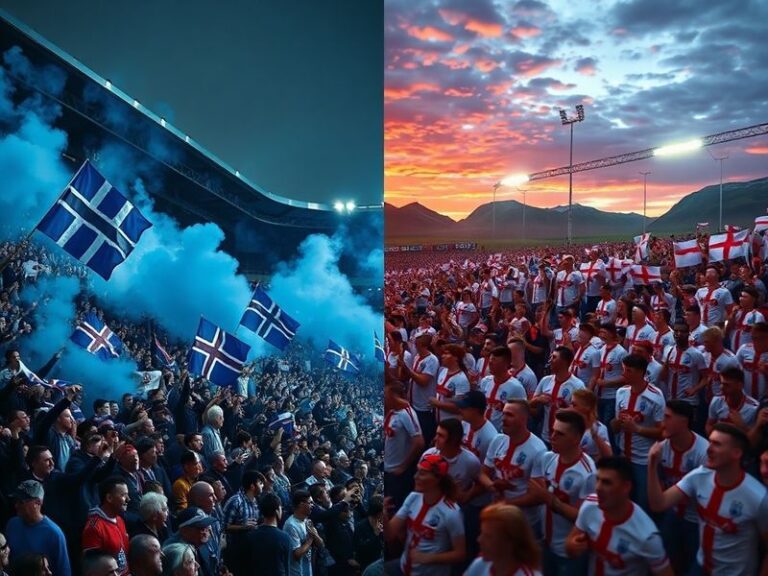
The rivalry between Widzew Łódź and Lechia Gdańsk is as much about the fans as it is about the players. Widzew’s supporters, known for their unwavering loyalty, hail from a city with a strong industrial heritage. The Widzew faithful often fill the streets of Łódź with chants and banners that reflect the club’s working-class roots. The fanbase is deeply connected to the club’s history, and their passion is palpable in every match.
Lechia’s supporters, meanwhile, bring a coastal energy to the rivalry. The city of Gdańsk is home to a diverse and vibrant fan culture, influenced by its maritime traditions. Lechia’s ultras are known for their creative displays, often incorporating nautical themes into their choreography. The club’s fanbase is a melting pot of local identities, reflecting Gdańsk’s role as a cultural and economic hub.
This clash of cultures—industrial grit versus maritime flair—adds another layer to the rivalry. Matches between the two clubs are not just about football; they are about representing the identities of entire cities. The atmosphere in the stadiums during these fixtures is electric, with fans creating an environment that amplifies the significance of every tackle and goal.
The fan culture extends beyond the stadiums. Online forums and social media platforms buzz with debates about recent performances, historical comparisons, and future prospects. The rivalry has even sparked friendly banter between supporters, with each side claiming superiority in terms of loyalty, passion, or historical achievements.
Looking Ahead: The Future of the Rivalry
The future of the Widzew Łódź vs Lechia Gdańsk rivalry is poised at an intriguing crossroads. Both clubs are currently competing in the Ekstraklasa, Poland’s top flight, and their relative fortunes will shape the narrative of their encounters for years to come. Widzew, with its rich history, aims to reclaim its status as a top-tier club, while Lechia seeks to build on its recent successes and challenge for domestic honors.
For Widzew, the challenge lies in balancing tradition with modernization. The club has faced financial difficulties and administrative hurdles, but its fanbase remains a steadfast source of support. Rebuilding the squad and restoring the team’s competitive edge will be critical in maintaining relevance in Poland’s top division. A strong performance in the league and cup competitions will be essential to restoring Widzew’s prestige.
Lechia, on the other hand, has demonstrated the potential to compete at the highest level. The club’s recent investments in infrastructure and player development have positioned it as a serious contender. Lechia’s ability to attract talent and foster young players could see it emerge as a consistent force in Polish football. The club’s ambition to challenge for the league title will add a new dimension to the rivalry, as Widzew will need to respond to Lechia’s rise.
The Polish Football Association (PZPN) has also taken steps to revive and promote traditional rivalries, recognizing their importance in engaging fans and maintaining the sport’s cultural significance. Initiatives such as dedicated fixture lists and promotional campaigns have helped keep the Widzew vs Lechia rivalry in the spotlight. These efforts ensure that future generations of fans will continue to experience the passion and intensity of this historic clash.
As both clubs navigate the challenges and opportunities of modern football, their rivalry will remain a cornerstone of Polish football. Whether it’s a league match, a cup tie, or a friendly encounter, the battles between Widzew Łódź and Lechia Gdańsk will always carry more than just three points. They represent a clash of identities, a celebration of regional pride, and a testament to the enduring power of football to unite and divide.
For fans, the rivalry is a source of pride and identity. For neutrals, it offers a glimpse into the heart of Polish football culture. And for the clubs themselves, it is a reminder of their past glories, their current struggles, and their potential for future triumphs. In a football landscape often dominated by financial power and global influences, the Widzew vs Lechia rivalry remains a refreshing reminder of the sport’s grassroots passion and authenticity.