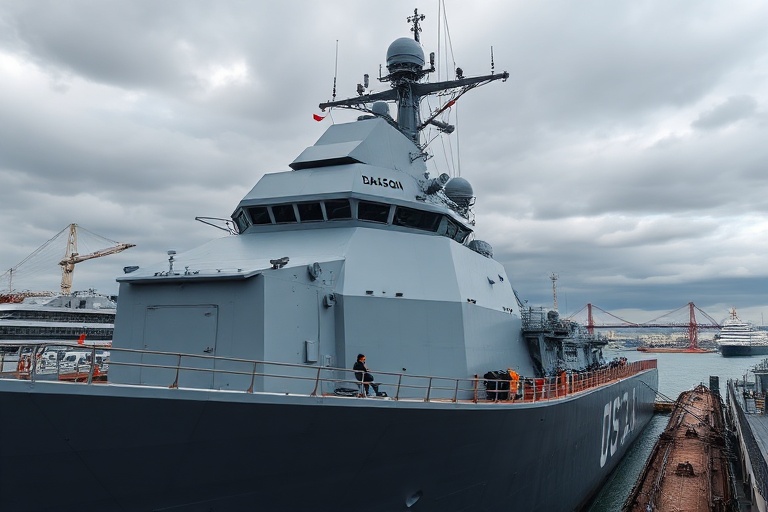
Few vessels in modern naval history have carried the prestige and operational versatility of HMS Dragon. As one of the Royal Navy’s most advanced Type 45 destroyers, this guided missile destroyer has become a symbol of British maritime power, technological innovation, and strategic adaptability. Commissioned in 2012, HMS Dragon has not only defended national interests but also projected British influence across the globe, from the Mediterranean to the South China Sea.
Its sleek design, cutting-edge systems, and crew of over 190 personnel reflect a commitment to maintaining a world-class fighting force. But HMS Dragon is more than just a warship. It represents a bridge between tradition and modernity, embodying the enduring legacy of the Royal Navy while embracing the digital age of naval warfare. This article explores the origins, capabilities, global deployments, and cultural significance of HMS Dragon.
The Origins and Design of HMS Dragon
HMS Dragon is the sixth and final ship of the Type 45 class, a class of guided missile destroyers designed primarily for anti-air warfare and ballistic missile defense. Built by BAE Systems at the Scotstoun shipyard in Glasgow, Scotland, HMS Dragon was launched on November 17, 2008, and commissioned into active service on April 20, 2012. The ship’s name continues a proud tradition in the Royal Navy, following vessels such as HMS Dragon from the 18th century.
The Type 45 destroyers were developed in response to the growing threat of airborne missiles and the need for area air defense. HMS Dragon, like its sister ships, is equipped with the PAAMS (Sea Viper) air defense system, integrating advanced radar, missile technology, and command-and-control systems. This system allows the ship to track and engage multiple aerial targets simultaneously, making it one of the most capable air-defense platforms in the world.
Measuring 152.4 meters in length and displacing approximately 8,500 tons, HMS Dragon combines size with agility. Its Integrated Electric Propulsion system provides high speed and operational flexibility, while advanced stealth features reduce its radar cross-section. The ship’s armament includes the Sylver A50 vertical launch system, capable of firing Aster 15 and Aster 30 missiles, and a 114mm main gun for surface engagements.
Key Features of HMS Dragon
- Sea Viper Air Defense System: Enables simultaneous tracking and engagement of multiple airborne threats.
- Advanced Radar (S1850M and SAMPSON): Provides long-range surveillance and fire control.
- Integrated Electric Propulsion: Enhances fuel efficiency and operational range.
- Crew Comfort and Modern Accommodations: Designed to support extended deployments with improved living conditions.
- Multinational Interoperability: Equipped for NATO and coalition operations.
Global Deployments and Strategic Role
Since entering service, HMS Dragon has participated in numerous high-profile deployments, demonstrating the Royal Navy’s ability to project power globally. One of its most notable missions was Operation Kipion, the UK’s long-standing maritime presence in the Gulf region. During this deployment, HMS Dragon conducted maritime security operations, supported coalition efforts, and protected commercial shipping lanes critical to global trade.
The ship has also been a key participant in NATO exercises, including Joint Warrior and Formidable Shield. These drills test interoperability with allied navies, refine air-defense tactics, and strengthen collective deterrence. HMS Dragon’s participation in such exercises underscores the UK’s commitment to European security and transatlantic defense.
In 2021, HMS Dragon was deployed to the Indo-Pacific region as part of the UK’s tilt toward the area, signaling a strategic shift in British foreign policy. The deployment included port visits to Japan and South Korea, reinforcing defense ties and demonstrating the Royal Navy’s ability to operate far from home waters. This mission was part of a broader effort to counterbalance China’s growing influence and uphold the rules-based international order.
Notable Missions and Exercises
- Operation Kipion (Gulf Region): Conducted maritime security and supported coalition operations.
- Joint Warrior (UK Waters): Participated in large-scale NATO maritime exercises.
- Formidable Shield (North Sea): Tested anti-ballistic missile capabilities.
- Indo-Pacific Deployment (2021): Visited Japan and South Korea to strengthen regional partnerships.
Cultural and Symbolic Significance
Beyond its military capabilities, HMS Dragon holds cultural and symbolic value. The ship’s crest features a red dragon, a mythical creature deeply rooted in Welsh and British folklore. This emblem not only connects the vessel to its namesake but also evokes themes of strength, vigilance, and heritage. For many in the UK, HMS Dragon represents national pride and the enduring legacy of the Royal Navy.
The ship has also become a cultural touchstone in popular media. It has been featured in documentaries, news reports, and even video games, further cementing its place in public consciousness. Its sleek design and advanced technology make it a favorite subject for photographers and naval enthusiasts alike.
In communities near its home port of Portsmouth, HMS Dragon is a source of local pride. The ship frequently hosts public tours, educational visits, and ceremonial events, fostering a connection between the Royal Navy and the British public. This engagement helps maintain support for defense spending and highlights the importance of maritime security.
The Future of HMS Dragon and the Type 45 Class
As HMS Dragon continues its service, it faces both challenges and opportunities. The Type 45 destroyers have faced criticism over the years for propulsion issues and operational limitations. However, ongoing modernization programs aim to address these concerns, ensuring the ships remain relevant in an evolving security landscape.
Upgrades to the Sea Viper system, integration of new sensors, and improvements to crew accommodations are part of a broader effort to extend the operational life of the Type 45 class. These enhancements will allow HMS Dragon to remain a cornerstone of British naval power well into the 2030s.
Looking ahead, HMS Dragon may also play a role in emerging areas such as cyber defense, unmanned systems integration, and space-based surveillance. The Royal Navy is increasingly focused on multi-domain operations, and HMS Dragon’s advanced command-and-control systems position it well for these future challenges.
As the Royal Navy transitions toward the procurement of the Type 83 destroyers, HMS Dragon will continue to serve as a vital asset. Its legacy will be defined not only by its technological achievements but also by its contributions to global security and diplomatic engagement.
The Next Chapter for the Type 45 Class
- Power Improvement Project (PIP): Upgrades to propulsion and electrical systems to address reliability issues.
- Sea Viper Evolution: Enhancements to the air defense radar and missile systems.
- Future Integration: Plans to incorporate unmanned systems and AI-driven decision support.
Conclusion
HMS Dragon stands as a testament to British naval excellence, technological innovation, and strategic foresight. From its advanced air-defense capabilities to its role in global diplomacy, the ship embodies the best of the Royal Navy’s traditions and ambitions. As it continues to serve, HMS Dragon will remain a symbol of power, precision, and pride on the high seas.
For a nation with a rich maritime history, HMS Dragon is more than a warship—it is a guardian of the seas and a bridge to the future. Its story is one of adaptation, resilience, and unwavering commitment to protecting national and international interests.
As geopolitical tensions rise and new threats emerge, vessels like HMS Dragon will be essential in maintaining stability and security. The Royal Navy’s investment in its fleet ensures that Britain remains a key player in global maritime affairs, and HMS Dragon will continue to lead the way.