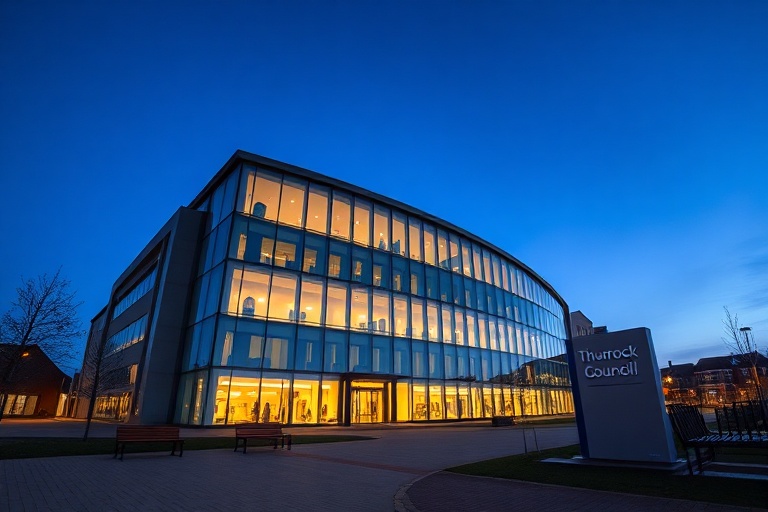
Thurrock Council stands at the heart of one of Essex’s most dynamic and diverse regions. As the local authority for the borough, it plays a pivotal role in shaping the area’s infrastructure, services, and future development. With a mix of urban and rural landscapes, Thurrock faces unique challenges and opportunities that the council must navigate with precision and foresight.
The council’s responsibilities span a wide range, from education and housing to transportation and environmental sustainability. Its decisions ripple through the community, influencing everything from the quality of schools to the efficiency of public transport. Understanding how Thurrock Council operates—and where it excels or falls short—provides valuable insight into the broader dynamics of local governance in the UK.
Structure and Governance
Thurrock Council is a unitary authority, meaning it handles all local government functions under a single tier. This includes responsibilities typically split between district and county councils elsewhere in England. The council operates under a leader and cabinet system, where elected councillors make key decisions collectively, while the cabinet implements policies and oversees day-to-day operations.
The council is composed of 49 councillors, representing 20 wards across the borough. Elections are held every four years, with the next scheduled for 2027. Political control has shifted in recent years, reflecting the evolving priorities of Thurrock’s residents. As of 2024, the council is led by a Labour administration, which has outlined ambitious plans for economic growth, housing reform, and climate action.
One of the council’s most pressing tasks is managing its budget amid rising costs and financial constraints. Like many local authorities, Thurrock has had to make tough choices, prioritizing essential services while seeking innovative ways to generate revenue. This includes exploring commercial opportunities, such as property development and partnerships with private enterprises.
Key Priorities and Challenges
Thurrock’s location along the Thames Estuary makes it a critical hub for trade and logistics, but it also presents unique challenges. The council has identified several priority areas to address in the coming years:
- Economic Development: Thurrock’s economy relies heavily on industries like logistics, manufacturing, and retail. The council is working to diversify the local economy by attracting new businesses and supporting existing ones. Initiatives such as the Thurrock Enterprise Zone aim to create jobs and stimulate growth in key sectors.
- Housing and Regeneration: The demand for affordable housing in Thurrock remains high, particularly in areas like Grays and Tilbury. The council is investing in regeneration projects to revitalize town centers and provide modern, sustainable housing options. However, balancing development with preserving green spaces and community character is an ongoing challenge.
- Transportation Infrastructure: Thurrock’s transport network is vital for both residents and businesses. The council is advocating for improvements to road and rail links, including better connections to London and Southend. However, funding constraints and competing priorities often delay progress.
- Environmental Sustainability: Like many local authorities, Thurrock is committed to reducing its carbon footprint. This includes promoting renewable energy, improving waste management, and enhancing public spaces. The council has also pledged to protect local biodiversity, a critical issue given the borough’s diverse ecosystems.
Balancing these priorities requires careful planning and collaboration with stakeholders, including businesses, community groups, and other government bodies. The council’s ability to deliver on these commitments will shape Thurrock’s future for years to come.
Community Engagement and Public Services
Thurrock Council places a strong emphasis on community engagement, recognizing that effective governance depends on listening to residents. Public consultations, town hall meetings, and digital platforms are used to gather feedback and involve the community in decision-making. However, engagement levels vary, with some residents feeling disconnected from the process.
Public services are a cornerstone of the council’s work. Education is a particularly high-profile area, with schools in Thurrock facing challenges such as funding shortages and teacher recruitment difficulties. The council has partnered with local schools and organizations to improve outcomes, though results have been mixed.
Another critical service is social care, which has come under strain due to increasing demand and budget pressures. Thurrock Council has had to make difficult decisions about service provision, often relying on external providers to fill gaps. This has sparked debates about the quality and accessibility of care in the borough.
Healthcare is closely linked to the council’s work, particularly in areas like Tilbury and Stanford-le-Hope, where access to medical services is a growing concern. The council collaborates with the NHS and other health providers to address these issues, though systemic challenges remain.
Controversies and Criticisms
No local authority is without its controversies, and Thurrock Council is no exception. One of the most significant issues in recent years has been financial mismanagement. Reports have highlighted concerns over accounting practices, leading to investigations by external bodies. While the council has taken steps to address these issues, the fallout has eroded public trust.
Another point of contention is the council’s handling of major development projects. For example, the proposed expansion of the Port of Tilbury has sparked debates about its environmental impact and benefits for the local economy. Critics argue that the council has not done enough to consult residents or mitigate negative effects.
Additionally, some community groups have accused the council of failing to adequately represent marginalized voices. Issues such as discrimination, inequality, and lack of affordable housing disproportionately affect certain groups, and activists have called for more inclusive policies.
Despite these challenges, the council has also received praise for its efforts in areas like youth services and cultural initiatives. For instance, the council’s investment in libraries, sports facilities, and arts programs has enriched the lives of many residents.
Looking Ahead: The Council’s Future
As Thurrock Council moves forward, it faces a complex landscape of opportunities and challenges. The next few years will be critical in determining whether it can deliver on its promises and regain public confidence. Key areas to watch include the implementation of its economic growth strategy, the outcome of major regeneration projects, and the council’s ability to secure sustainable funding.
Residents, too, have a role to play. Active participation in local democracy—whether through voting, attending meetings, or volunteering—can help shape the council’s priorities and hold it accountable. For those interested in getting involved, the council’s website provides resources on how to engage with its work.
For more insights into local governance and community issues, explore our News and Analysis sections on Dave’s Locker. These categories offer in-depth coverage of topics that matter to communities across the UK.
Thurrock Council’s journey is far from over. With determination, adaptability, and a commitment to transparency, it has the potential to overcome its challenges and build a brighter future for the borough. The coming years will reveal whether it can rise to the occasion.