WWE Backlash 2026: The Matches That Redefined WWE
The annual WWE Backlash event has always been a showcase for the most anticipated rivalries and high-stakes confrontations in sports entertainment. In 2026, the event not only lived up to expectations but redefined the boundaries of what a pay-per-view can deliver. Held at the state-of-the-art Bell Centre in Montreal, Backlash 2026 featured a blend of nostalgia, innovation, and unscripted drama that left fans questioning what the future of WWE holds.
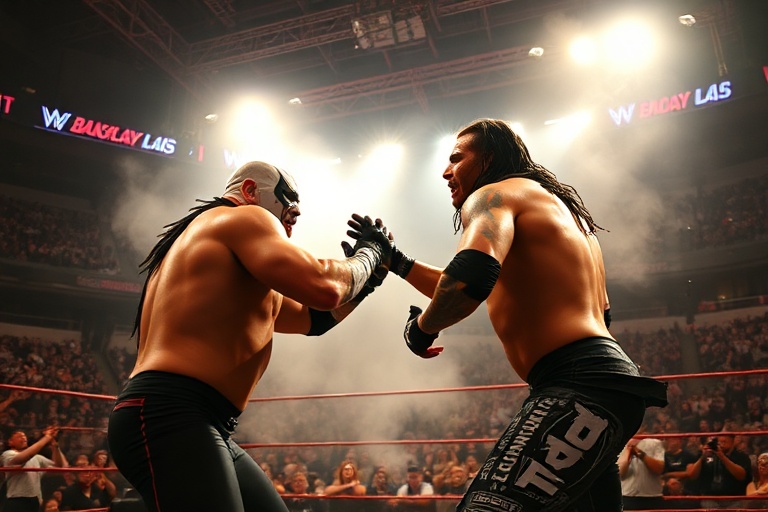
The undercard set the tone early, with rising stars proving they could stand alongside established veterans. But it was the main event—a no-holds-barred match between WWE Champion Roman Reigns and former champion Cody Rhodes—that became the focal point of post-event discussion. The bout, which lasted over 30 minutes, featured a level of athleticism and storytelling rarely seen in modern WWE.
The Undercard: Rising Talent Steals the Show
While the main event dominated headlines, the real story of Backlash 2026 unfolded in the undercard matches. For the first time in years, WWE placed an emphasis on younger talent, giving them opportunities to shine in marquee spots. The women’s tag team division continued its rapid ascent, with the team of Lyra Valkyria and Zoey Stark delivering a workrate clinic against Damage CTRL’s Bayley and Dakota Kai.
Their match was not just a technical showcase—it was a statement. Both Valkyria and Stark have been vocal about wanting to elevate women’s wrestling, and their performance at Backlash proved they’re ready for the main stage. The crowd in Montreal, known for its passionate response, erupted in approval, chanting both women’s names long after the bell had rung.
Also on the undercard, LA Knight continued his redemption arc, defeating AJ Styles in a hard-hitting singles match. The victory marked a significant moment for Knight, who has been steadily climbing the ranks after years in the midcard wilderness. His post-match interview, where he addressed the crowd directly, hinted at a potential future run at the top of the card.
The Main Event: Reigns vs. Rhodes and the Future of WWE
The main event between Roman Reigns and Cody Rhodes was a collision of eras. Reigns, the 13-time world champion, entered as the dominant heel, while Rhodes—now a year removed from his gruesome injury—returned with a renewed purpose. What followed was a match that blended storytelling with high-octane action, culminating in Rhodes hitting three Cross Rhodes in a row before pinning Reigns to retain his claim to the title.
The finish was met with a mixture of shock and euphoria. Reigns, who has rarely been defeated cleanly in recent years, was left humbled in front of his home crowd. Rhodes, meanwhile, solidified his status as the face of the WWE locker room. The moment was not just a victory for Rhodes—it was a symbolic passing of the torch.
Post-match, both men showed mutual respect, a rare sight in modern WWE storytelling. Rhodes addressed the crowd, thanking them for their unwavering support during his recovery. Reigns, ever the professional, shook his rival’s hand before departing the ring alone, leaving fans to wonder about his next move.
Broader Implications: What Backlash 2026 Means for WWE
Backlash 2026 was more than just another pay-per-view—it was a referendum on WWE’s direction. The event’s success in Montreal demonstrated that WWE can still deliver moments of genuine emotional weight, a rarity in an era dominated by social media soundbites and viral moments.
One of the most significant takeaways was the emphasis on younger talent. WWE has long been criticized for relying too heavily on established names, but Backlash 2026 proved that fresh faces can captivate audiences when given the right platform. The event also highlighted the growing influence of women’s wrestling, with matches that were not just competitive but genuinely innovative.
Another key factor was the unpredictability of the results. In an era where WWE often leans on predetermined outcomes, Backlash 2026 delivered surprises that felt earned. Rhodes’ victory over Reigns was not just a shock—it was a statement that WWE is willing to embrace change, even if it risks alienating some fans.
Looking ahead, the implications for WWE’s upcoming events are profound. If Backlash 2026 is any indication, the company may be shifting toward a more dynamic and unpredictable product. The question now is whether WWE can sustain this momentum or if it will revert to familiar patterns in the coming months.
Key Takeaways from WWE Backlash 2026
- Rising Talent Shines: Lyra Valkyria, Zoey Stark, and LA Knight delivered standout performances, signaling a new wave of stars.
- Cody Rhodes’ Redemption: His victory over Roman Reigns was a career-defining moment that redefined his legacy.
- Women’s Wrestling Continues to Evolve: The division is no longer an afterthought—it’s a driving force in WWE’s storytelling.
- Unpredictability Wins: The results at Backlash 2026 felt fresh and earned, a departure from WWE’s usual scripted outcomes.
- Montreal’s Impact: The passionate crowd played a crucial role in elevating the event, proving that WWE can still deliver in front of a live audience.
Fan Reactions and Social Media Buzz
The immediate aftermath of Backlash 2026 saw a surge in fan engagement across social media platforms. Memes, hot takes, and celebratory posts flooded timelines, with Rhodes’ victory becoming the top trending topic for over 48 hours. Even WWE’s most vocal critics had to acknowledge the event’s impact, with some calling it the best Backlash in a decade.
However, not all reactions were positive. Some fans expressed concern over Reigns’ future, questioning whether the loss would lead to a prolonged absence or a heel turn. Others debated whether WWE’s newfound emphasis on younger talent was sustainable or if it would be overshadowed by returning veterans in the coming months.
The debate extended beyond wrestling circles, with mainstream sports media outlets weighing in on WWE’s cultural relevance. ESPN’s sports entertainment desk called Backlash 2026 “a masterclass in storytelling,” while The Athletic questioned whether WWE could maintain this level of unpredictability moving forward.
What’s Next for WWE?
With Backlash 2026 serving as a turning point, all eyes are now on WWE’s next major event: SummerSlam. The company has a rare opportunity to build on the momentum generated in Montreal, but it will require careful planning and execution.
One potential storyline to watch is the aftermath of Rhodes’ victory. Will Reigns regroup and challenge for the title again, or will he take a step back to reassess his role in the company? Another intriguing subplot involves Valkyria and Stark, who could be positioned for a tag team title shot at SummerSlam.
WWE’s creative team also faces the challenge of balancing fresh talent with established stars. If the company is serious about its commitment to change, it will need to ensure that the momentum from Backlash 2026 doesn’t fade. That means giving younger wrestlers meaningful roles while also providing veterans with opportunities to reinvent themselves.
The road ahead is uncertain, but one thing is clear: WWE Backlash 2026 proved that the company is capable of delivering moments that resonate deeply with fans. Whether it can sustain this level of quality remains to be seen, but for now, the wrestling world has something to celebrate.
For more on WWE’s evolving landscape, visit our News and Entertainment sections.