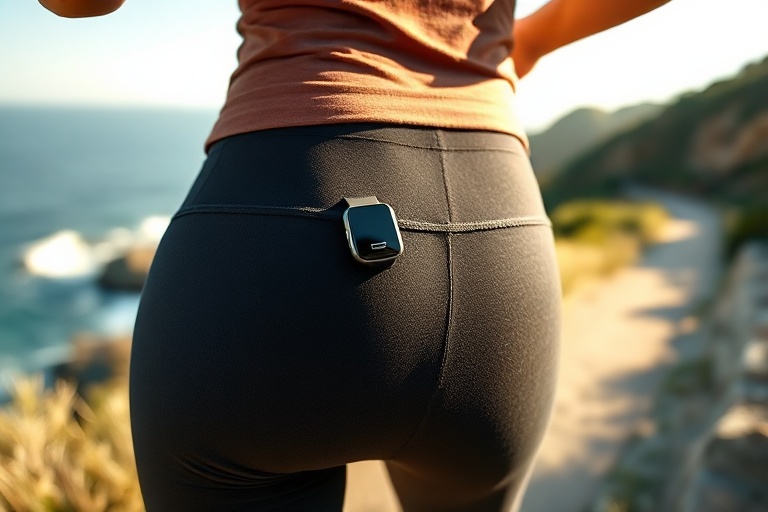
Fitbit Air Tracker Review: The Discreet Fitness Gadget Redefining Wearables
The Rise of the Fitbit Air Tracker
The Fitbit Air Tracker arrived quietly but has steadily reshaped how people think about fitness tracking. Unlike its predecessors, this device emphasizes minimalism without sacrificing functionality. Its lightweight design and sleek profile make it an appealing choice for users who prioritize comfort over bulk. The Air Tracker sits at the intersection of style and substance, appealing to both fitness enthusiasts and casual users.
Globally, the demand for discreet fitness wearables has grown as people seek tools that integrate seamlessly into daily life. In cities like Tokyo, where fashion and function often collide, the Air Tracker has found a natural audience. Meanwhile, in European markets, health-conscious consumers have embraced it as a tool for monitoring activity without the visual noise of traditional fitness bands. The device’s understated elegance has made it a cultural bridge between wellness and everyday aesthetics.
A Closer Look at Design and Functionality
The Fitbit Air Tracker’s design philosophy centers on two key principles: weightlessness and precision. Weighing just 20 grams, it feels almost imperceptible when worn. The slim profile, measuring 4mm thick, allows it to slip beneath clothing without creating bulk. The device’s matte finish and rounded edges contribute to a tactile experience that feels premium rather than utilitarian.
Functionality remains robust despite the minimalist approach. The Air Tracker includes a 24/7 heart rate monitor, SpO2 tracking, and sleep analysis—features that align with Fitbit’s reputation for comprehensive health insights. It also offers 7 days of battery life, a practical upgrade from models that require daily charging. These capabilities make it a versatile tool for users who want to track their health without constant maintenance.
Global adaptability is another strength. The device supports over 20 exercise modes, from yoga to high-intensity interval training, catering to diverse fitness routines. In markets like India, where home workouts surged post-pandemic, the Air Tracker’s versatility has made it a popular choice. Its compatibility with both iOS and Android ensures it meets users wherever they are.
Cultural Shifts and the Demand for Discretion
The popularity of the Fitbit Air Tracker reflects broader cultural trends. In many urban centers, fitness tracking has evolved from a niche hobby to a mainstream practice. However, the aesthetics of traditional fitness wearables—often bulky and brightly colored—no longer align with modern sensibilities. The Air Tracker’s design responds to this shift, offering a solution that feels more like jewelry than a gadget.
This trend is particularly evident in fashion-forward cities. In Seoul, where K-pop idols and streetwear trends influence consumer behavior, the Air Tracker’s minimalist design has been adopted as a lifestyle accessory. Similarly, in Scandinavian countries, where functionality often trumps ostentation, the device fits effortlessly into minimalist wardrobes. Its global appeal lies in its ability to blend in rather than stand out.
Yet, the Air Tracker’s discretion doesn’t come at the cost of performance. Users in high-pressure work environments, such as corporate hubs in Dubai or Singapore, appreciate the device’s unobtrusive design. It allows them to monitor their health without drawing attention, a subtle but important feature in competitive professional settings.
Comparing the Air Tracker to Competitors
When stacked against rivals like the Apple Watch or Garmin Venu, the Fitbit Air Tracker carves out its own niche. While smartwatches dominate the market with their multifunctional displays, the Air Tracker focuses on pure fitness tracking. Its lack of a screen may deter users who crave real-time data, but it also eliminates distractions. For those who prefer a “set it and forget it” approach, this simplicity is a selling point.
The Air Tracker also competes on price. At $99, it undercuts many smartwatches while delivering comparable health insights. This affordability has made it accessible to a wider demographic, from students to retirees. In emerging markets like Brazil and Mexico, where disposable income is a consideration, the Air Tracker’s pricing strategy has been a key advantage.
However, the Air Tracker isn’t without limitations. Its lack of GPS and onboard music storage means it can’t replace a full-featured smartwatch. For runners or cyclists who rely on route tracking, this could be a dealbreaker. Yet, for casual users or those who pair it with their smartphone, these omissions are negligible. The device’s strengths lie in its balance of affordability, discretion, and core functionality.
The Future of Wearable Fitness Technology
The Fitbit Air Tracker’s success hints at the future of wearable technology. As consumers grow weary of bulky devices, the industry is shifting toward lighter, more adaptable designs. Fitbit’s approach—prioritizing comfort and subtlety—may set a new standard for the next generation of fitness trackers. Other brands are likely to follow suit, focusing on integration rather than intrusion.
Looking ahead, the Air Tracker could expand its capabilities without compromising its design ethos. Features like stress tracking or menstrual health monitoring are already within Fitbit’s ecosystem. If incorporated seamlessly, these additions could further solidify its place in the market. The challenge will be maintaining the device’s lightweight charm while adding depth to its functionality.
Globally, the wearables market continues to evolve. In China, for example, the demand for health-focused gadgets has surged amid rising concerns about air quality and stress. The Air Tracker’s global adaptability positions it well to meet these diverse needs. Whether in Tokyo’s high-tech gyms or Mumbai’s bustling streets, the device’s appeal lies in its universal relevance.
For those considering a fitness tracker, the Fitbit Air Tracker offers a compelling blend of style and substance. It doesn’t seek to revolutionize the market with flashy features but instead delivers reliable performance in a package that feels almost invisible. In a world where technology often competes for attention, the Air Tracker thrives by fading into the background.
As wearable technology continues to advance, the Air Tracker serves as a reminder that sometimes, less really is more. Its quiet success may well be the blueprint for the future of fitness tracking—a future where devices blend into our lives rather than dominate them.
Why the Fitbit Air Tracker Stands Out
The Fitbit Air Tracker is more than just another fitness gadget. It represents a shift in how we perceive wearable technology. By prioritizing discretion and simplicity, it appeals to users who value integration over interruption. Its global reach demonstrates that wellness doesn’t have to be loud to be effective. For anyone tired of clunky devices that scream for attention, the Air Tracker offers a refreshing alternative.
Whether you’re a fitness enthusiast, a busy professional, or someone simply curious about health tracking, the Air Tracker provides a balanced solution. It doesn’t overwhelm with features but delivers exactly what you need—when you need it. In a market flooded with options, that kind of clarity is worth its weight in gold.