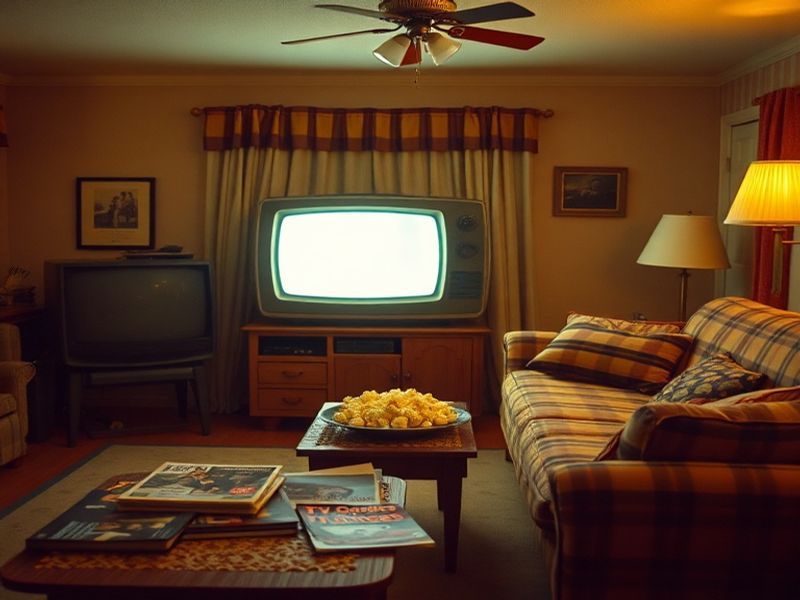
The television landscape has undergone a dramatic transformation over the past few decades. What began as a handful of broadcast networks delivering limited programming has evolved into a sprawling ecosystem of streaming services, cable channels, and niche platforms. Television shows today span every conceivable genre, from serialized dramas to reality competitions, and their production values often rival those of major motion pictures.
The Golden Age of Television: Quality Over Quantity
While the concept of “quality television” has been debated for years, the 2000s marked a turning point. Shows like The Sopranos, The Wire, and Breaking Bad demonstrated that serialized storytelling could achieve cinematic depth. These series weren’t just entertainment; they were cultural artifacts that inspired critical analysis and academic study. The shift from episodic storytelling to long-form narratives allowed writers to explore complex characters and themes in ways previously reserved for literature or film.
This era also saw the rise of premium cable networks like HBO, Showtime, and AMC, which invested heavily in original content. Their willingness to take creative risks—such as the morally ambiguous protagonists of Mad Men or the dystopian tension of The Walking Dead—helped redefine what television could achieve. The success of these shows proved that audiences were hungry for substance, not just spectacle.
The Business of Television: How Shows Are Made
Behind every hit show lies a complex web of financing, production, and distribution. Traditional broadcast networks rely on advertising revenue, which means they must appeal to broad audiences. This often leads to formulaic storytelling or reliance on established franchises. Cable networks, meanwhile, operate on a subscription model, allowing them to take bigger risks with niche content.
Streaming services like Netflix, Amazon Prime, and Disney+ have disrupted this model entirely. By releasing entire seasons at once, they’ve changed how audiences consume television. Binge-watching has become the norm, and algorithms now dictate which shows get greenlit based on data rather than gut instinct. This shift has democratized content creation but also raised concerns about artistic integrity in an era of data-driven decision-making.
For a deeper look at how streaming platforms are reshaping the industry, explore our Entertainment section.
Genres That Defined Generations
Television has always been a reflection of society, and its genres often mirror cultural trends. Sitcoms like I Love Lucy and Friends dominated the airwaves in the mid-20th century, offering escapism through humor and relatable characters. As societal norms evolved, so did the genre, with shows like Will & Grace and Modern Family tackling LGBTQ+ themes and family dynamics in new ways.
Drama has seen equally significant shifts. The medical dramas of the 1990s and 2000s, such as ER and Grey’s Anatomy, focused on high-stakes emergencies and personal relationships. In contrast, modern dramas like Succession and The Crown explore power, politics, and legacy with a level of sophistication previously unseen on television.
Reality TV: The Unlikely Phenomenon
Few genres have had as polarizing an impact as reality television. Born from the ashes of failed game shows in the late 1990s, reality TV exploded in the 2000s with programs like Survivor and The Bachelor. Critics derided it as lowbrow entertainment, but its appeal was undeniable. Reality TV thrives on authenticity—or at least the illusion of it—and its low production costs make it a lucrative venture for networks.
Today, reality TV encompasses everything from competition formats (RuPaul’s Drag Race) to lifestyle documentaries (Keeping Up with the Kardashians). Its influence extends beyond television, shaping social media trends and celebrity culture. The genre’s longevity proves that audiences crave connection, even if it’s through the carefully curated lives of strangers.
The Future of Television: What’s Next?
The next frontier for television is interactivity. Imagine a show where viewers vote on plot twists in real-time or an AI-generated series that adapts to individual preferences. These concepts may sound like science fiction, but companies like Netflix and interactive gaming platforms are already experimenting with them. The line between television and video games is blurring, and the possibilities are endless.
Another trend gaining traction is international co-productions. Shows like Squid Game (South Korea) and Money Heist (Spain) have achieved global success, proving that language and culture are no longer barriers. Streaming platforms are increasingly investing in non-English content, recognizing that diversity is key to reaching wider audiences.
The Role of Technology in Modern Television
Technology has revolutionized every aspect of television production, from filming to distribution. High-definition cameras and advanced editing software have made it easier than ever to create visually stunning content. Meanwhile, platforms like YouTube and TikTok have given rise to a new generation of creators who bypass traditional networks entirely.
Virtual reality (VR) and augmented reality (AR) are also poised to change the game. Imagine watching a football game from the perspective of the quarterback or exploring a fantasy world as if you were a character in the show. These innovations could redefine the viewing experience, making television more immersive than ever before.
For more insights into how technology is transforming entertainment, visit our Technology section.
Conclusion: Television’s Endless Reinvention
Television has come a long way from its humble beginnings as a box in the corner of the living room. Today, it’s a dynamic, ever-evolving medium that adapts to technological advancements and cultural shifts. Whether through groundbreaking dramas, addictive reality shows, or interactive experiments, television continues to captivate audiences worldwide.
The future of television is not just about what we watch, but how we watch it. With new platforms, genres, and technologies emerging constantly, one thing is certain: the story of television is far from over. As audiences demand more personalized and innovative content, the industry will continue to push boundaries, ensuring that television remains a vital part of our cultural landscape.