York Races: Britain’s Historic Racing Tradition Lives On
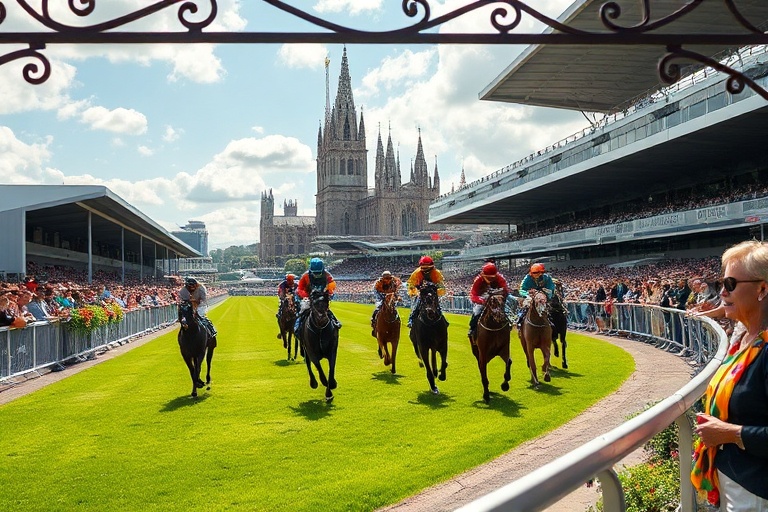
York Races, one of the oldest and most prestigious horse racing events in the United Kingdom, has evolved from a 17th-century pastime into a cornerstone of British sporting culture. Held at the historic York Racecourse in the North Yorkshire countryside, the event draws thousands of spectators each year, blending centuries-old traditions with contemporary sporting excitement. The racecourse itself, established in 1731, stands as a testament to the enduring appeal of horse racing—a sport that has shaped regional economies and social calendars alike.
The significance of York Races extends beyond the track. It represents a convergence of heritage, entertainment, and economic impact, attracting visitors from across the globe. While modern racing features high-stakes competitions and celebrity owners, the event retains an air of tradition that resonates deeply with long-time fans. For newcomers, it offers a glimpse into a world where history and sport intertwine seamlessly.
From Humble Origins to National Prominence
York’s association with horse racing predates the racecourse itself. As early as the 16th century, local nobility organized informal races on the flatlands near York, capitalizing on the region’s fertile soil and open spaces. By the early 1700s, these gatherings had grown in scale, prompting the formation of the York Subscription Rooms in 1713—a social hub that further cemented the city’s reputation as a gathering place for racing enthusiasts.
The official York Racecourse opened in 1731, making it one of the oldest in England. Its inaugural meeting featured a series of heats, a format that differed from today’s single-race structures. The course gained royal recognition in 1754 when the Duke of Cumberland, a prominent figure in British history, attended a race. This early endorsement helped elevate York’s status, though it would take decades for the event to rival the prestige of Newmarket or Epsom.
By the 19th century, York Races had matured into a social event as much as a sporting one. The arrival of the railway in 1839 transformed attendance, allowing spectators from Leeds, Manchester, and beyond to travel easily. The course’s Knavesmire enclosure became a fashionable destination, where aristocrats mingled with tradesmen under the shadow of the historic grandstand. Even Queen Victoria attended in 1840, reinforcing York’s place in the national consciousness.
The Ebor Festival: A Modern Showcase
Today, the highlight of York’s racing calendar is the Ebor Festival, held annually in August. Named after the historic Ebor Hill near the racecourse, the festival spans four days and features some of the most prestigious races in British flat racing, including the Juddmonte International and the Yorkshire Oaks. These events attract top-tier horses, jockeys, and trainers, often serving as a precursor to autumn’s Group 1 clashes at Ascot and Doncaster.
The Ebor Festival is more than a sporting fixture—it’s a cultural event. The on-course amenities include gourmet dining, live music, and family-friendly activities, ensuring the experience appeals to a broad audience. Corporate hospitality packages have also become a staple, reflecting the commercialization of modern racing. Yet, despite these changes, the festival retains elements of its historic charm, from the traditional parade ring displays to the post-race celebrations at the Knavesmire enclosure.
One of the festival’s most unique traditions is the “Yorkshire Pudding Race,” a lighthearted event where participants sprint with oversized Yorkshire puddings balanced on their heads. This quirky competition underscores the event’s blend of serious sport and local character, offering a moment of levity amid the high-stakes racing.
Economic and Cultural Impact: Beyond the Racetrack
York Races contribute significantly to the local economy, generating millions of pounds annually. The influx of visitors during the Ebor Festival benefits hotels, restaurants, and retail businesses, particularly in the historic city center. A 2022 report by the Racecourse Association estimated that major race meetings in Yorkshire inject over £50 million into the regional economy each year, with York Races accounting for a substantial portion of that figure.
The event also plays a crucial role in tourism. York, already a magnet for history buffs thanks to its Viking and medieval heritage, leverages the races to attract a different demographic—sports enthusiasts and families seeking a weekend of entertainment. The racecourse’s proximity to York Minster and the National Railway Museum further enhances its appeal, creating a multifaceted visitor experience.
Culturally, York Races have influenced local and national traditions. The phrase “Yorkshire grit” often finds its way into commentary about the region’s racing pedigree, reflecting the perceived tenacity of horses bred and trained in the area. Meanwhile, the races have inspired literature and art, from the 19th-century sporting novels of Robert Smith Surtees to contemporary depictions of racing culture in films like Seabiscuit.
Challenges and Adaptations in the 21st Century
Despite its enduring popularity, York Races face challenges in the modern era. The rise of online betting platforms has transformed how fans engage with the sport, shifting focus away from in-person attendance for some demographics. Additionally, concerns about animal welfare have prompted the racing industry to tighten regulations on horse care and race distances, though York Racecourse has implemented measures such as improved veterinary facilities and track maintenance to address these issues.
The COVID-19 pandemic dealt a temporary blow to the event, forcing the 2020 Ebor Festival to proceed without spectators. However, the racecourse adapted swiftly, introducing virtual attendance options and enhanced digital coverage. This pivot demonstrated the resilience of York Races and highlighted the potential for hybrid event models in the future.
Sustainability has also become a priority. In 2021, York Racecourse announced plans to reduce its carbon footprint by 50% by 2030, aligning with broader industry efforts to promote eco-friendly practices. Initiatives include solar panel installations, waste reduction programs, and partnerships with local conservation groups to offset the event’s environmental impact.
Why York Races Matter Today
York Races occupy a unique space in British sporting culture. They are not merely sporting events but living museums of tradition, economic engines for the region, and platforms for modern innovation. The juxtaposition of historic grandstands against cutting-edge race-day technology encapsulates the duality of the sport—where the past and future coexist.
For racing purists, York offers a purer form of the sport compared to the commercialized spectacles of Cheltenham or Aintree. The absence of corporate branding on the fences and the prominence of local trainers in the winner’s circle emphasize authenticity. Meanwhile, for casual fans, the Ebor Festival provides an accessible introduction to horse racing, with a relaxed atmosphere and a strong social component.
The races also serve as a barometer for the health of the British racing industry. When York’s attendance figures rise, it often signals broader trends in the sport, from the popularity of certain horses to shifts in betting behavior. In this way, York Races are both a reflection of and a contributor to the evolving landscape of British racing.
Looking ahead, York Racecourse is poised to remain a cornerstone of the sport. Plans for further modernization, including upgrades to the grandstand and dining facilities, ensure the course will continue to attract new generations of fans. Yet, the challenge will be preserving the elements that have defined York Races for centuries—the sense of occasion, the connection to history, and the sheer joy of watching a horse thunder down the home straight.
In an era where sporting events often chase global audiences through digital platforms, York Races remind us of the enduring power of tradition. They prove that a sporting event can be both a modern spectacle and a living link to the past, offering something for everyone—whether you’re there for the racing, the socializing, or the chance to stand where legends have trodden before.
Key Takeaways About York Races
- Historic Roots: York Races date back to the early 18th century, making it one of England’s oldest racecourses.
- Ebor Festival: The annual August event is the highlight of the racing calendar, featuring prestigious races like the Juddmonte International.
- Economic Impact: The races inject millions into the local economy, supporting hotels, restaurants, and retail businesses.
- Cultural Significance: The event blends tradition with modernity, from the Yorkshire Pudding Race to high-stakes Group 1 races.
- Adaptability: York Races have evolved to meet modern challenges, embracing sustainability and digital engagement.
For those looking to explore the broader world of horse racing, Dave’s Locker Sports offers in-depth coverage of racing events, trends, and behind-the-scenes stories. To learn more about the history of iconic sporting venues, visit Dave’s Locker Entertainment, which features articles on cultural landmarks and their impact.
York Races are more than a sporting fixture—they are a testament to the enduring appeal of tradition, competition, and community. Whether you’re a seasoned punter, a history enthusiast, or a first-time visitor, the experience of standing on the Knavesmire, watching the horses thunder past, is one that captures the essence of British sporting culture.