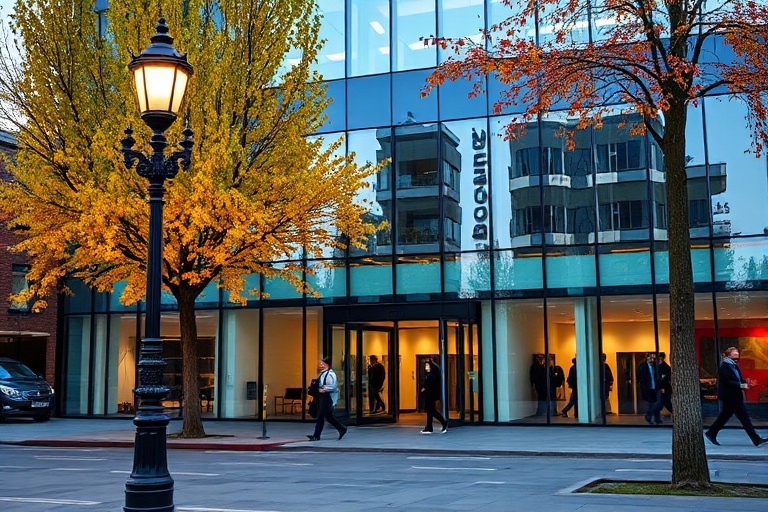
Barnet Council, located in North London, operates at the intersection of local governance and financial constraint. As one of the largest borough councils in the UK by population, it faces unique pressures that mirror broader trends in local government funding and service delivery. The council’s recent decisions reflect both the immediate challenges of budget shortfalls and the long-term implications for residents who depend on its services.
The Financial Landscape Facing Barnet Council
Like many local authorities across the UK, Barnet Council has been navigating a period of sustained financial pressure. Central government funding reductions over the past decade have forced councils to make difficult choices about service prioritisation and cost reduction. Barnet’s response has included efforts to increase efficiency through shared services and digital transformation, but these measures have not fully offset the funding gap.
In its latest budget report, the council highlighted a projected deficit of over £30 million within three years if current trends continue. This situation has led to proposals for service reconfigurations, including potential reductions in discretionary spending areas such as libraries and community centres. While the council argues these changes are necessary to protect core services, residents and advocacy groups have raised concerns about the long-term impact on community cohesion and accessibility.
To better understand the scale of the challenge, consider that Barnet’s budget for 2024/25 totals £650 million. Approximately 70% of this is ring-fenced for statutory services such as adult social care and children’s services—areas where demand continues to rise due to an aging population and increased need for support. The remaining 30%, however, is where discretionary services compete for increasingly scarce resources.
Key Financial Pressures on Barnet Council
- Reduced central government grants: Cuts to local authority funding have reduced Barnet’s core grant by 40% since 2010.
- Rising demand for adult social care: The aging population has increased costs by nearly 20% over five years.
- Inflationary pressures: Operational costs for services like waste collection and housing maintenance have surged post-pandemic.
- Housing benefit shortfalls: Delays in government reimbursement for housing support create cash flow challenges.
How Barnet Council Prioritises Local Needs
Despite financial constraints, Barnet Council has sought to maintain a balance between fiscal responsibility and local priorities. One area of focus has been housing and regeneration. The council has committed to building 1,000 new affordable homes by 2026, a target that reflects both the borough’s housing crisis and its commitment to community development.
Another key initiative has been the expansion of free school meals for younger children. In 2023, Barnet became one of the first London boroughs to offer free meals to all primary school pupils, a move aimed at reducing child poverty and improving educational outcomes. This decision was not without controversy—some councillors questioned the affordability—but it underscores how local authorities are increasingly using their limited resources to address social determinants of health and education.
The council has also invested in digital inclusion programmes, particularly targeting older residents. During the pandemic, it became clear that many vulnerable individuals were being left behind due to a lack of internet access or digital literacy. Barnet responded by launching a £2 million digital inclusion fund, providing devices and training to over 5,000 residents. This initiative not only improved access to services but also reduced isolation among older adults.
Broader Implications for Local Government in the UK
Barnet’s experience is not unique—it is a microcosm of the challenges facing local government across England. The Local Government Association has warned that one in five councils could face financial failure by 2025 if current funding levels persist. This crisis is particularly acute in outer London boroughs like Barnet, where high service demands are coupled with limited tax bases and rising costs.
One of the most pressing implications is the potential hollowing out of local democracy. When councils are forced to cut services that residents value—such as youth clubs, parks maintenance, or public health initiatives—they risk eroding public trust in local governance. This could lead to lower voter turnout and disengagement from civic life, further weakening the democratic process at the most local level.
Moreover, the financial strain on councils like Barnet has broader economic consequences. Local authorities are major employers and procurers of goods and services. When they reduce spending, it ripples through the local economy, affecting small businesses and voluntary organisations that depend on council contracts or grants. In Barnet, for example, the voluntary sector—which plays a crucial role in supporting vulnerable residents—has seen a 15% reduction in council funding over the past two years.
There is also a risk of a two-tier system emerging, where wealthier boroughs can maintain higher service standards while less affluent areas struggle to provide even basic provisions. This could exacerbate existing inequalities and undermine the principle of equitable public services across the country.
Looking Ahead: Can Barnet Council Sustain Its Approach?
The future of Barnet Council will depend on a combination of short-term fiscal management and long-term strategic planning. One potential solution being explored is greater collaboration with neighbouring boroughs. Shared services, such as waste management or housing allocations, could reduce costs without significantly impacting service quality. Barnet has already entered into partnerships with Enfield and Haringey for certain functions, and further integration may be necessary.
Another avenue is increased devolution of powers and funding from central government. The recent devolution deals for Greater Manchester and the West Midlands have demonstrated that local authorities with greater fiscal autonomy can respond more effectively to regional needs. There have been calls for similar deals for London boroughs, though political and administrative hurdles remain significant.
For residents, the coming years will be defined by trade-offs. The council’s ability to communicate these choices transparently will be crucial in maintaining public confidence. Residents will need to engage actively—attending council meetings, participating in consultations, and holding elected representatives to account. The health of local democracy depends on it.
As Barnet Council continues to navigate its financial challenges, it stands as a case study in the resilience and adaptability of local government. Its decisions will not only shape the future of the borough but also offer lessons for other councils facing similar pressures. The stakes are high, but so too is the potential for innovative solutions that prioritise both fiscal sustainability and community wellbeing.
For more insights into how local governance intersects with broader policy trends, visit our News and Politics sections.